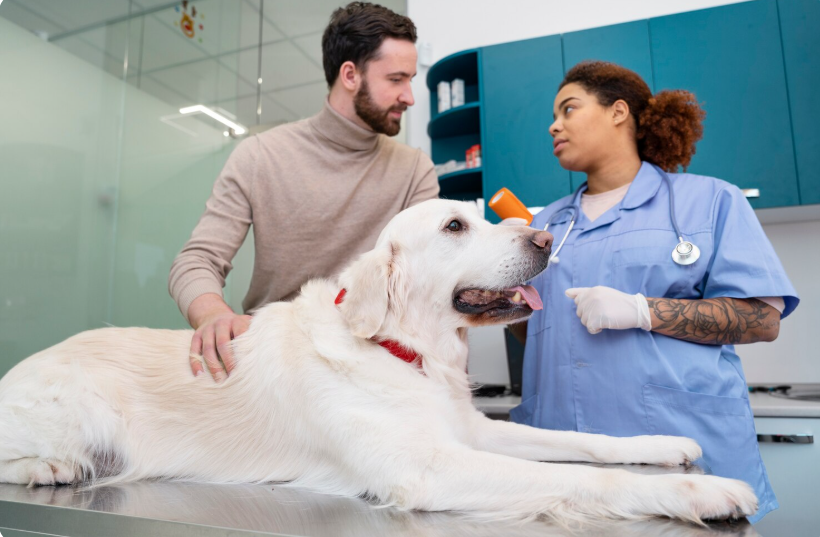
You want your pet to stay healthy, active, and comfortable, but day to day life gets busy fast. One month turns into six, a small change in appetite seems easy to brush off, and routine care can start to feel optional when your pet looks fine on the surface. That is usually where the stress starts, and working with a veterinarian in Gainesville, FL can help you stay ahead of problems before they become more serious. You are trying to do right by an animal who cannot explain what hurts, and the hardest problems often begin quietly.
The connection between veterinary hospitals and preventive health is simple. Regular preventive care helps catch disease early, lowers the risk of avoidable illness, and gives your pet a better shot at a longer, steadier life. A veterinary hospital does far more than treat emergencies. It tracks patterns, spots subtle changes, and builds a health plan that fits your pet’s age, species, and risk level.
Veterinary hospitals support preventive health long before illness becomes obvious
Many serious conditions do not start with dramatic symptoms. Dental disease can build for months before your pet stops eating well. Parasites can affect energy, digestion, and skin before there is a clear sign at home. Weight gain can seem minor until it starts affecting joints, heart health, or blood sugar. This is where preventive veterinary care matters. It is not just a checklist. It is ongoing medical oversight.
A veterinary hospital has the tools and training to notice what owners often cannot. During routine visits, the care team checks weight trends, heart and lung sounds, mobility, skin, teeth, vaccine status, parasite prevention, and lab work when needed. Those pieces connect. A small shift in one area may explain a larger problem developing somewhere else.
Puppies and kittens need vaccines, parasite control, and guidance on growth. Adult pets need maintenance, dental checks, and lifestyle monitoring. Senior pets need closer screening because age changes the rules. This is why pet preventive health is not one appointment a year and done. It changes with your animal’s life stage.
Ross University’s overview of veterinary preventive care from puppy to senior wellness explains this well. Preventive care is not static. It evolves as risk changes.
Preventive care at a veterinary hospital reduces financial and emotional strain
Most people do not skip routine care because they do not care. They skip it because life is expensive, schedules are full, and their pet seems okay. Then comes the avoidable crisis. A dog with untreated dental disease needs extractions under anesthesia. A cat with unnoticed kidney changes ends up needing more aggressive care. Fleas or ticks turn into skin infections or disease exposure. The cost jumps, and so does the guilt.
That emotional side is real. You replay the signs you missed. You wonder if you should have come in sooner. Preventive visits help break that cycle because they create a medical baseline. When your pet’s normal is documented, changes stand out earlier, and earlier care is often simpler and less costly than late stage treatment.
Virginia Tech offers a useful guide on pet preventive care, including routine exams, vaccinations, nutrition, dental care, and parasite control. Those basics do a lot of heavy lifting. They lower risk before your pet lands in the treatment room for something that could have been limited or prevented.
Parasite prevention shows why the veterinary hospital and wellness link matters
Tick prevention is a good example because it seems simple until it is not. You may think, “My dog is mostly indoors,” or “We only walk around the neighborhood.” Ticks do not care. They can show up in yards, parks, and on short outings. They can spread disease to pets and create risk inside the home.
The CDC’s advice on preventing ticks on pets makes the point clearly. Tick checks, veterinarian approved preventives, and attention to where your pet spends time all matter. A veterinary hospital helps you choose the right product, timing, and prevention plan because not every pet has the same exposure or medical needs.
This is also where a generic idea like “wellness care” becomes real medicine. The connection between veterinary hospitals and preventive health is not abstract. It is the reason a small appointment today can prevent a larger problem next season.
Routine veterinary hospital care and delayed care lead to very different outcomes
| Care Approach | What It Usually Includes | Likely Result |
| Routine preventive visits | Physical exams, vaccines, parasite prevention, dental checks, weight monitoring, screening labs when needed | Earlier detection, fewer surprises, steadier long term health costs |
| Home observation only | Watching for obvious symptoms, no regular medical baseline | Problems often found later, when signs are harder to ignore and treatment is more involved |
| Urgent care only | Vet visits limited to injury or visible illness | Higher chance of advanced disease, more stress, larger bills, less room for prevention |
A veterinary hospital is not just a place for treatment after something goes wrong. It is the center of ongoing health management. That is the practical link behind animal wellness and prevention, and it is why regular care tends to feel easier over time than reactive care.
Small steps now make preventive veterinary care easier to keep up with
Schedule care by life stage. Puppies, adult pets, and seniors do not need the same plan. Ask your veterinary hospital what your pet should be seen for this year, including exams, vaccines, dental care, lab work, and parasite prevention.
Track changes at home. Write down shifts in appetite, thirst, weight, energy, bathroom habits, itching, mobility, or behavior. Owners often notice patterns in pieces. Those notes help the veterinary team connect them faster.
Use prevention consistently. Tick, flea, and heartworm control only works when used as directed. The same goes for diet plans, dental care, and follow up testing. Consistency is what turns a good recommendation into actual protection.
Preventive health gives your pet a steadier path forward
You do not need to wait for a clear crisis to involve a veterinary hospital. In many cases, the best care happens before your pet looks sick at all. That is the real value of prevention. It protects comfort, catches trouble sooner, and gives you clearer choices when something changes. If your pet is due for an exam, wellness screening, or parasite prevention review, schedule that next visit and keep the momentum going.