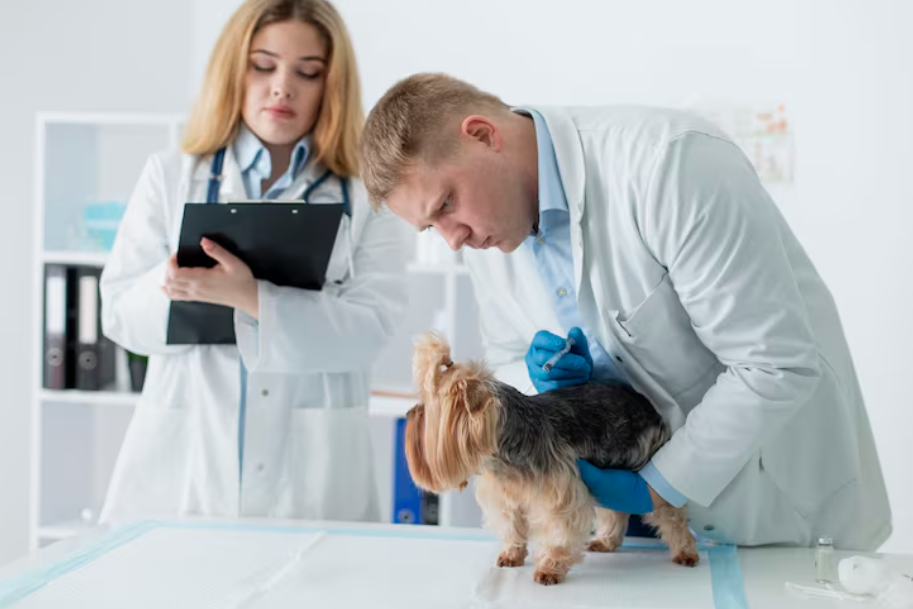
You might be feeling a quiet worry every time your pet does something a little out of character. A skipped meal. A day of extra sleep. A cough that was not there last week. Part of you thinks it is nothing and will pass. Another part of you wonders if you are missing something important and if you wait, it could be too late. At High River animal clinic, we understand that worry and are here to help you get answers and peace of mind.
That tension is exhausting. You want to be a good guardian, but you do not want to rush to the clinic for every small change. You may also be worried about cost, time away from work, or the fear of hearing bad news. It is a lot to hold on your own.
Here is the short version. Early detection in veterinary medicine is not about turning you into a nervous owner. It is about catching problems when they are smaller, easier to treat, and less expensive, so your pet can have more good years with you. Regular checkups, simple tests, and paying attention to subtle changes can literally add quality and length to your pet’s life.
So where does that leave you when you are watching your pet and wondering what is normal and what is not?
Why catching problems early in pets matters more than you think
Animals are experts at hiding pain and illness. In the wild, showing weakness can be dangerous, and that instinct is still there. By the time a dog or cat “looks” sick, the disease process is often well advanced. That is one of the reasons early detection for pets’ health is so important.
Think about kidney disease in cats. Many cats do not show obvious signs until most of their kidney function is already lost. Researchers are working on ways to catch it earlier, including a genetic test that can identify early signs of kidney issues in certain breeds. When problems like this are found soon enough, diets can be adjusted, medications can be started, and serious crises can often be delayed or even avoided.
The same pattern shows up with heart disease, diabetes, dental disease, and many cancers. In the early stages, your pet may only show tiny changes in behavior or weight. With time, those quiet signs can turn into an emergency visit, a hospital stay, and a prognosis that is far less hopeful.
From an emotional point of view, that “sudden emergency” is often what breaks people. They replay the prior weeks or months and wonder what they missed. From a financial point of view, late stage treatment is almost always more expensive than earlier care. A simple blood test now often costs far less than hospitalization later.
So the real question is not “Do I rush to the vet for everything?” but “How can I use smart, consistent checkups and tests so I am not blindsided?”
What happens if you wait, and what changes when you act early
Imagine two dogs of the same age. Both seem generally fine, maybe a little slower, drinking a bit more water. One owner decides to mention it at a routine wellness exam. The veterinarian runs a basic blood panel and finds early kidney changes. With diet changes and monitoring, the dog continues to enjoy walks and play for years.
The other owner decides to watch and wait. Months go by. One weekend, the dog stops eating and starts vomiting. The emergency clinic finds advanced kidney failure. The treatment is intense and expensive, and the outcome is uncertain. The difference between those two paths started with a “small” concern and a simple test.
It is similar with contagious diseases. Vaccines and early screening help protect not just your pet, but everyone in your home. Public health experts have strong guidance on how to keep people and pets healthy together, and you can see that in resources like the CDC’s overview on staying healthy around pets and other animals. Early detection in veterinary medicine connects directly to your family’s health, not just your animal’s comfort.
Delaying care does not always lead to disaster, but it often makes things harder. Pain lasts longer. Treatment options shrink. Costs go up. The stress of “waiting to see” sits on your shoulders every day.
On the other hand, when you commit to preventive veterinary care, something subtle shifts. You move from reacting to crises to planning ahead. You and your veterinarian become partners. You get clearer answers instead of guesses, and your pet benefits from care that matches their age, breed, and lifestyle.
Comparing early detection and “wait and see”: what is really at stake?
Because you are balancing emotions, money, and time, it helps to see the tradeoffs clearly. This is where a general veterinarian can guide you, so you are not carrying the decision alone.
| Approach | Short term impact | Long term impact | Typical examples |
|---|---|---|---|
| Early detection and routine screening | Small, planned costs for exams and tests. Occasional worry while waiting for results. | Higher chance of catching disease early. More treatment options. Often lower total cost over time. | Annual or semiannual wellness exams. Bloodwork for senior pets. Early dental cleanings before severe disease. |
| “Wait and see” approach | No immediate clinic visit. Ongoing uncertainty about what is really happening. | Higher risk of sudden crises. Fewer treatment options. Often larger emergency bills. | Ignoring gradual weight loss. Delaying a cough or limp that persists. Skipping vaccines and parasite prevention. |
| Problem focused visits only | Care only when something is clearly wrong. Feels efficient in the moment. | Missed chances to find silent disease. Health issues may be more advanced by the time they are seen. | Seeing the vet only for visible injuries, severe vomiting, or obvious infections. |
For dogs and cats, regular preventive care also guards against diseases that can affect people. The CDC outlines practical steps for staying healthy around dogs, and many of those steps connect directly to routine checkups, parasite control, and vaccines.
Three concrete steps you can take right now
-
Schedule a wellness exam based on your pet’s life stage
If your pet has not seen a general veterinarian in the last year, or in the last six months for seniors, schedule a wellness visit. Mention any small changes you have seen, even if they seem minor. Drinking more water. Sleeping in a different spot. Breathing a bit heavier after play. These details help your veterinarian decide what tests, if any, make sense.
-
Ask for a simple screening plan, not “every test under the sun”
You do not have to agree to every possible test. Instead, ask your vet to outline a basic screening plan that matches your pet’s age, breed, and risk. For example, a young adult dog may only need routine vaccines and a heartworm test. A middle aged cat might benefit from periodic bloodwork to watch kidney and thyroid function. When you understand why each test is recommended, it feels less like a bill and more like an investment in extra healthy years.
-
Create a home checklist of “small changes” to watch
Early detection does not start in the clinic. It starts in your living room. Make a short list of things to notice. Appetite. Water intake. Weight and body shape. Energy level. Breathing. Coughing or sneezing. Bathroom habits. Skin and coat changes. If something shifts and stays different for more than a week, that is your signal to call your veterinarian and ask if a visit is wise.
Moving forward with more confidence and less fear
You may still feel a knot in your stomach when you think about illness or aging. That is natural. It means you care deeply about your animal. The goal is not to erase that concern, but to give it direction, so it becomes action instead of anxiety.
When you use early veterinary care as a steady habit instead of a last resort, you offer your pet the quiet gift of time. More time to chase toys. More time curled up on your lap. More time where they feel good in their body and you feel at peace with the choices you are making.
Your next step does not need to be dramatic. It can be as simple as calling your general veterinarian, booking that wellness visit, and bringing your questions. From there, you and your vet can build a plan that respects your budget, protects your pet, and gives you clearer ground to stand on when something changes.