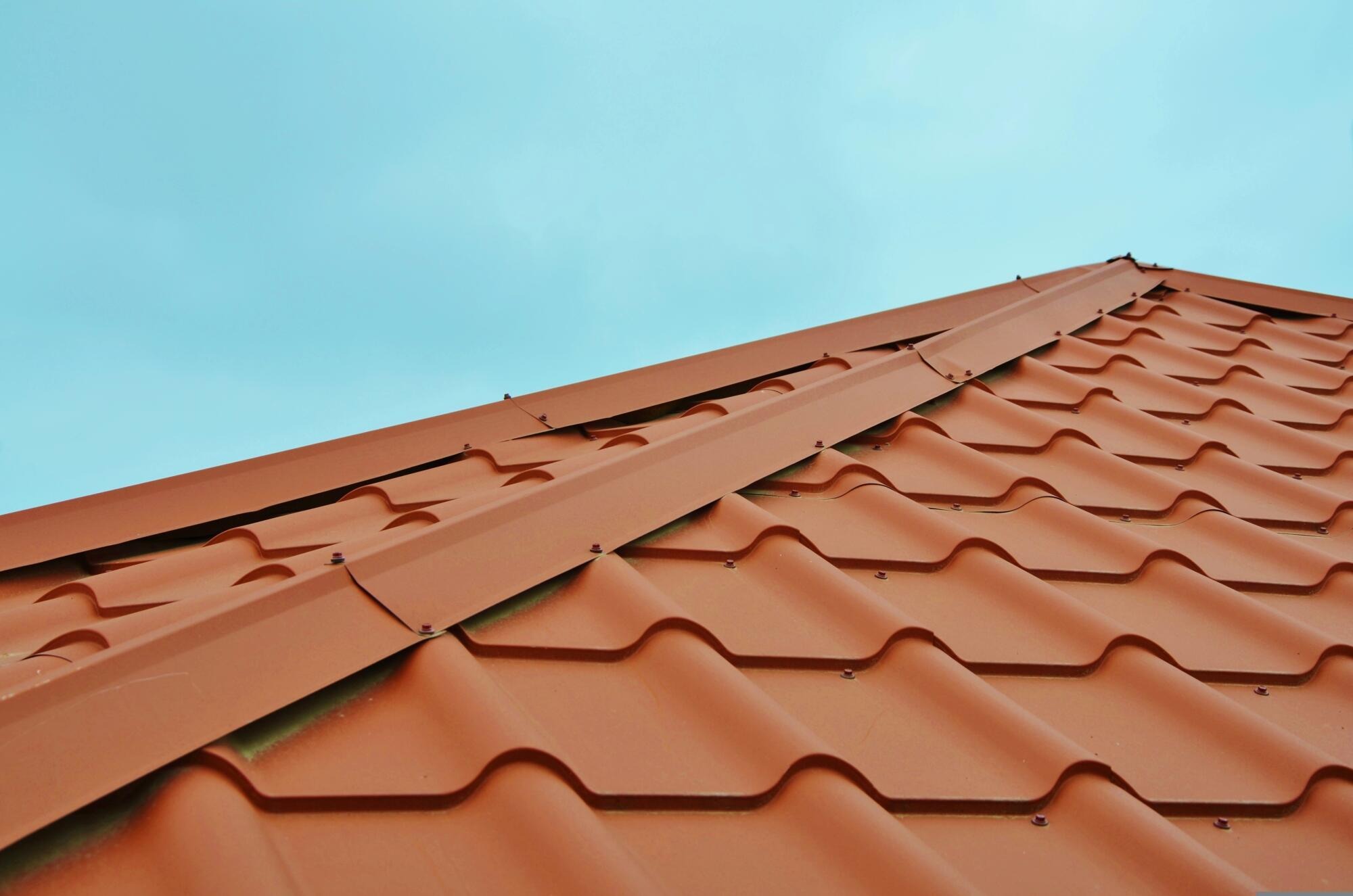
Every building needs a strong roof to stay protected. Whether it’s a home, office, warehouse, or commercial property, the roof acts as the first barrier against rain, wind, heat, and other weather conditions. While many people don’t think about their roof until a problem appears, it plays a vital role in keeping the entire structure safe and secure.
A reliable roof does much more than keep water out. It helps maintain comfortable indoor temperatures, improves energy efficiency, and protects the building from costly damage.
A strong roof helps extend the life of a building, reduces repair costs, and increases property value. In this article, we’ll look at why a dependable roof is essential for building protection, the main parts of a roofing system, common causes of roof damage, and the long-term benefits of choosing the right roofing solution. Read on.
The Roof: A Building’s First Line of Defense
The primary purpose of a roof is protection. Every day, roofs are exposed to harsh environmental conditions that can gradually wear down materials and compromise structural integrity. Rainfall, ultraviolet radiation, strong winds, temperature fluctuations, and airborne debris constantly challenge roofing systems.
A properly designed roof acts as a protective barrier, preventing water intrusion and shielding the building from external damage. Water leaks, for example, can lead to:
- mold growth
- wood rot
- insulation damage
- costly repairs
A reliable roofing system minimizes these risks by effectively channeling water away from the structure and maintaining a watertight seal. In regions prone to severe weather, such as hurricanes, typhoons, or heavy snowfall, roof strength becomes even more critical. The ability to withstand high winds and heavy loads can make the difference between minor repairs and catastrophic structural failure.
Key Components of a Reliable Roof System
A roof is more than just shingles or metal panels. It is a complete system composed of several interconnected components that work together to provide protection and performance. Here are the key components of a strong roof system:
Roof Covering
The roof covering is the outermost layer that directly faces environmental exposure. Depending on the building type and climate, materials may include:
- Asphalt shingles
- Metal roofing
- Clay or concrete tiles
- Slate roofing
- Wood shakes
- Synthetic roofing products
- Membrane systems for flat roofs
Each material offers unique benefits regarding durability, appearance, maintenance requirements, and cost.
Underlayment
Beneath the visible roofing material lies the underlayment, which serves as an additional moisture barrier. This layer provides extra protection against water infiltration if the outer roofing material becomes damaged or displaced. It also helps improve the overall durability and weather resistance of the roofing system.
Roof Deck
The roof deck forms the structural foundation that supports all roofing components. Typically constructed from plywood, oriented strand board (OSB), or concrete, the deck must remain strong and stable to ensure the roof’s overall performance. Any weakness or damage to the roof deck can affect the integrity of the entire roofing system.
Flashing
Flashing consists of metal or synthetic materials installed around roof penetrations, valleys, chimneys, vents, and skylights. Its purpose is to prevent water from entering vulnerable areas where different building materials intersect. Properly installed flashing is essential for reducing the risk of leaks and water damage.
Ventilation System
Proper attic and roof ventilation helps regulate temperature and moisture levels within the building. Effective ventilation reduces heat buildup during summer months and prevents condensation issues that can damage roofing materials and structural components. It can also improve energy efficiency and extend the lifespan of the roof.
Drainage Components
Gutters, downspouts, and drainage systems direct rainwater away from the roof and foundation. Without proper drainage, water can accumulate and accelerate roof deterioration. Regular maintenance of these components helps ensure effective water management and prevents costly structural issues.
Why Roof Quality Matters
Many property owners focus primarily on the initial cost of a roof, but long-term performance should be the primary consideration. A low-cost roofing system may save money upfront, but it often results in higher maintenance expenses and earlier replacement.
High-quality roofing systems offer several important advantages:
Enhanced Durability
Premium materials are designed to withstand harsh weather conditions and resist damage from UV exposure, moisture, and temperature fluctuations. This increased durability extends the roof’s lifespan and reduces repair frequency. As a result, property owners can enjoy greater peace of mind and long-term savings.
Better Weather Resistance
A reliable roof protects against heavy rain, wind-driven moisture, hail, and extreme temperatures. Strong roofing systems maintain their integrity even under challenging environmental conditions. This added protection helps prevent costly damage to the building’s interior and structure.
Improved Energy Efficiency
Modern roofing materials often include reflective technologies and insulation enhancements that reduce heat transfer. This helps lower heating and cooling costs while improving indoor comfort. Over time, improved energy efficiency can lead to significant utility savings.
Increased Property Value
Potential buyers and tenants recognize the importance of a well-maintained roof. Buildings with newer, high-quality roofing systems often command higher market values and attract greater interest. A durable roof can also serve as a strong selling point in competitive real estate markets.
Lower Maintenance Costs
Investing in quality materials and professional installation reduces the likelihood of recurring repairs and unexpected roofing emergencies. Fewer repairs mean less disruption and lower maintenance expenses throughout the roof’s lifespan. Property owners can therefore allocate their resources to other important building improvements.
Common Threats to Roof Performance
Even the best roofing systems face various threats over time. Understanding these risks allows property owners to take preventive measures before minor issues become major problems. Here are some of them:
Weather Damage
Severe weather remains one of the leading causes of roof deterioration. Strong winds can loosen roofing materials, while hail can create cracks and punctures. Heavy rainfall may expose weaknesses in flashing or drainage systems.
UV Radiation
Continuous exposure to sunlight causes roofing materials to expand, contract, and gradually degrade. Over time, UV radiation can weaken protective coatings and shorten the roof’s service life. Regular inspections can help identify signs of sun-related damage before they become serious problems.
Moisture Intrusion
Water infiltration can occur through damaged shingles, cracked flashing, clogged gutters, or poor installation practices. Moisture problems often remain hidden until significant damage has already occurred. If left untreated, water intrusion can lead to mold growth, wood rot, and structural issues.
Biological Growth
Moss, algae, mold, and mildew thrive in damp environments. These organisms can retain moisture, accelerate material deterioration, and negatively affect the roof’s appearance. Regular cleaning and proper drainage can help prevent biological growth from spreading.
Poor Installation
Even premium roofing materials can fail prematurely if installation is performed incorrectly. Improper fastening, inadequate flashing, and poor ventilation design are common causes of roofing problems. Hiring experienced roofing professionals can help ensure the system performs as intended.
Lack of Maintenance
Routine inspections and maintenance are essential for maximizing roof longevity. Neglecting minor issues often leads to larger and more expensive repairs. A proactive maintenance plan can help extend the life of the roof and reduce long-term costs.
The Importance of Professional Installation
Roof performance depends not only on materials but also on workmanship. Professional roofing contractors understand the complexities involved in designing and installing roofing systems that meet industry standards and local building codes.
Experienced installers evaluate factors such as:
- Climate conditions
- Roof slope
- Structural load requirements
- Ventilation needs
- Drainage design
- Material compatibility
Professional installation ensures that all roofing components work together as a complete system. It also helps protect manufacturer warranties, many of which require certified installation procedures. Choosing a reputable commercial roofing company is one of the most important steps in ensuring long-term building protection.
Preventive Maintenance: Extending Roof Lifespan
A roof is a long-term investment that requires regular care. Preventive maintenance can significantly extend service life while reducing repair costs. Here are some of them:
Schedule Regular Inspections
Roof inspections should be conducted at least twice annually and after major weather events. Professional assessments can identify developing issues before they become serious problems. Regular inspections also help extend the roof’s lifespan by ensuring minor concerns are addressed early.
Clean Gutters and Drains
Blocked drainage systems can cause water to back up onto the roof surface. Regular cleaning ensures proper water flow and reduces moisture-related risks. Well-maintained gutters and drains also help protect the building’s foundation from water damage.
Remove Debris
Leaves, branches, and other debris can trap moisture and promote biological growth. Keeping the roof surface clean supports long-term performance. It also allows roofing materials to dry properly after rainfall and reduces unnecessary wear.
Address Repairs Promptly
Small leaks or damaged shingles may seem insignificant, but delaying repairs often results in more extensive damage. Prompt action minimizes repair costs and protects the building. Taking care of repairs early can also help prevent disruptions to occupants and daily operations.
Monitor Interior Signs
Water stains, mold growth, peeling paint, and unusual odors may indicate roofing issues. Early detection can prevent costly structural repairs. Paying attention to these warning signs can help property owners resolve problems before they spread throughout the building.
Energy Efficiency and Sustainable Roofing
Modern roofing systems play a significant role in building energy performance. Advances in roofing technology have introduced materials and designs that improve efficiency while supporting sustainability goals. Here are some of them:
Cool Roof Technology
Cool roofs utilize reflective surfaces that reduce solar heat absorption. This helps lower indoor temperatures and decreases air conditioning demands. As a result, buildings can achieve greater energy efficiency and improved occupant comfort.
Improved Insulation
Combining effective roofing materials with proper insulation creates a more energy-efficient building envelope. Better insulation reduces energy consumption year-round. It also helps maintain consistent indoor temperatures during both hot and cold weather conditions.
Green Roofing Systems
Vegetative or green roofs incorporate living plants and growing media atop specially designed roofing assemblies. These systems provide environmental benefits such as:
- stormwater management
- improved insulation
- enhanced urban biodiversity
They can also help reduce the urban heat island effect in densely populated areas.
Solar Roofing Solutions
Many property owners now integrate solar panels into roofing systems to generate renewable energy and reduce utility costs. Solar roofing can provide long-term savings while decreasing reliance on traditional energy sources. In addition, it supports sustainability goals by reducing a building’s overall carbon footprint.
Sustainable roofing solutions not only benefit the environment but also contribute to long-term financial savings.
Commercial Roofing Considerations
Commercial buildings often have unique roofing requirements due to larger roof areas, equipment installations, and occupancy demands.
Flat and low-slope commercial roofs commonly utilize:
- TPO membranes
- EPDM rubber roofing
- PVC roofing systems
- Modified bitumen
- Built-up roofing systems
Commercial property managers must prioritize regular inspections, drainage maintenance, and preventive care to maximize roof performance and avoid business disruptions.
Because commercial roofs frequently house HVAC equipment and utility systems, coordination between roofing and mechanical contractors is essential for maintaining roof integrity.
Residential Roofing Considerations
Homeowners face different roofing priorities, including aesthetics, curb appeal, and neighborhood requirements. Popular residential roofing materials include:
- Asphalt shingles
- Metal roofing
- Clay tiles
- Concrete tiles
- Synthetic slate
When selecting a residential roofing system, homeowners should consider:
- Climate suitability
- Expected lifespan
- Maintenance requirements
- Energy performance
- Architectural style
- Budget
A properly selected and maintained residential roof enhances both protection and property value.
Long-Term Financial Benefits of Roof Investment
While roofing projects often represent a significant upfront expense, they provide substantial long-term returns. A quality roofing system can:
- Reduce emergency repair costs
- Lower energy bills
- Extend building lifespan
- Increase resale value
- Improve occupant comfort
- Minimize insurance claims
- Protect interior assets
Property owners who prioritize roofing quality typically spend less on maintenance and experience fewer disruptions over the life of the building. Rather than viewing roofing as an expense, it should be considered a strategic investment in property protection and long-term asset preservation.
Invest In The Right Roof
A strong roof is one of the most important parts of any building. It protects the structure, the people inside, and everything that matters from weather, water damage, and other outside threats. Without a reliable roof, even the best-built property can face costly problems over time.
Choosing quality roofing materials, hiring experienced professionals, and keeping up with regular maintenance can help your roof perform at its best for many years. With proper care, a good roof can last for decades, providing safety, comfort, and value.
If you want to read more articles, visit our blog.