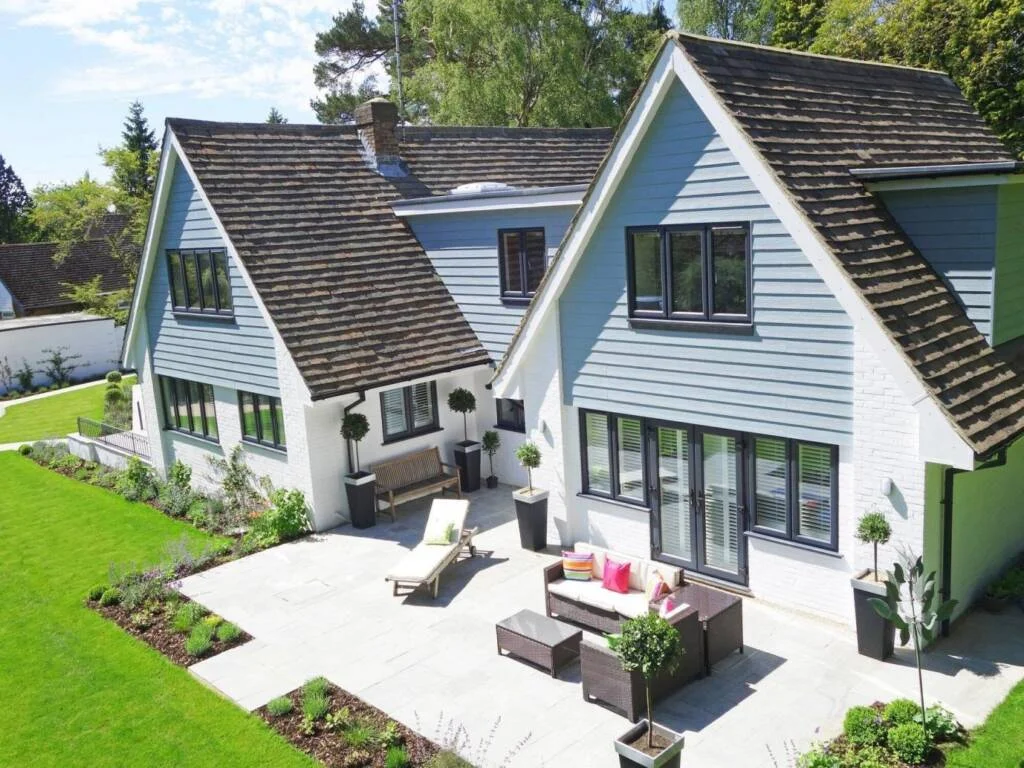
How can a house stay strong and safe in all-weather without constant repair? Home exterior systems face many hard conditions. Sun, rain, wind, and snow can damage a house over time. Good exterior design helps protect the home and also improves comfort inside.
If you are thinking about upgrades or improvements, this guide can help you choose smart options and better materials for your home. It also helps improve home durability in all seasons.
Understanding Weather Pressure on Homes
Homes face constant pressure from weather changes. Heat can dry materials. Rain can cause leaks. Wind can push water into small gaps. Over time, these forces weaken the structure. Weather cycles repeat every year. This makes small damage grow faster if it is not handled early.
Sun exposure can also fade surfaces and reduce material strength. Cold weather can cause cracking in weak materials. Snow can add extra weight on roofs. Ice can also form and expand small cracks. Strong storms can also remove loose materials.
Moisture is one of the most harmful forces. It enters slowly and spreads inside walls. This is why strong exterior protection is needed from the start. Without protection, damage becomes expensive to fix.
The Role of Exterior Protection Layers
Exterior layers act like a shield for the home. These layers include siding, paint, sealants, and barriers under the surface. Each layer has a purpose. Some layers block water while others reduce heat transfer.
Wind protection also depends on tight sealing between layers. When layers are weak, problems grow faster. Gaps can also let pests enter the structure. This can lead to hidden damage and higher repair needs. It can also reduce comfort inside the home.
A strong system works like a team. Every layer supports the next one. This reduces stress on the structure and keeps the home stable. It also increases the life of the building. Strong layers also help reduce energy loss. They also improve indoor comfort during extreme weather.
Choosing Strong Siding Materials
Siding is one of the most important parts of a home exterior. It covers the walls and protects them from rain and wind. Good siding also improves the look of the house. Vinyl siding is easy to clean and maintain. Fiber cement siding is stronger and resists fire and moisture better.
Wood siding gives a natural look but needs more care over time. Metal siding is also strong and long lasting. Brick veneer is another durable option in some homes. Each type behaves differently in harsh weather. Some are better in heat, others in cold. Each material has strengths and limits.
Choosing depends on climate and maintenance preference. Strong siding reduces long term repair needs. It also improves energy efficiency. It can also protect against noise from outside. It also adds value to the property. It also improves exterior design.
Importance of Proper Installation
Even strong materials can fail if they are not installed well. Proper fitting helps block water and air gaps. It also improves long term strength.
Gaps between panels can allow moisture entry. This can lead to hidden damage behind walls. Careful alignment prevents these issues. Small mistakes can grow into big repairs later. Poor sealing can also cause mold growth. It can also weaken wall structure. It can also increase heating and cooling costs.
Good installation also improves appearance. A smooth finish helps the home look clean and stable. It also increases material lifespan. Proper work gives long term peace of mind. It also reduces future repair needs. It also helps materials perform at full strength. It also improves resistance to weather stress.
Professional Support for Siding Work
Many homeowners prefer expert help for siding work. Skilled teams understand material behavior and weather conditions. They also know how to handle complex wall shapes. Experience helps reduce mistakes during installation. It also improves sealing and alignment quality. This leads to longer lasting results.
It also reduces repair needs in the future. Good planning also helps avoid wasted materials. It also improves project efficiency. It also reduces delays. In many regions, a siding installation company in Worcester is often searched by homeowners who want reliable exterior upgrades and strong long-term results for their homes.
This shows how important, trusted work is for exterior safety. Skilled work also helps improve durability in harsh weather. It also ensures better finishing quality. It also supports better long-term performance.
Weather Resistant Roofing Systems
Roofing is the first barrier against rain and sun. A strong roof protects the entire structure below. Asphalt shingles, metal roofing, and tile roofs are common options. Metal roofs handle heavy rain and strong wind well. Asphalt shingles are more affordable and widely used.
Tile roofs last long but require strong structure support. Slate roofs are also very durable but heavier. Each type has a different lifespan. Each one responds differently to heat and rain. Some are better for storms, others for heat. Roof choice should match local weather conditions.
A strong roof reduces leak risk and improves home safety. It also protects insulation and interior space. A weak roof can lead to costly water damage. It can also affect ceiling structure. It can also weaken walls over time.
Roof Ventilation and Balance
Good roofs need airflow. Ventilation helps reduce heat and moisture inside the roof space. Without airflow, heat can build up and cause damage. Moist air can lead to mold growth. This weakens wooden structures over time.
Ventilation helps prevent this risk. It also keeps materials dry. This improves roof life. It also reduces repair needs. It also helps prevent odor buildup. Balanced airflow also improves energy efficiency.
It keeps indoor temperature more stable during weather changes. This reduces stress on cooling systems. It also lowers energy use. It also helps protect insulation materials. It also prevents overheating in summer.
Window Protection and Efficiency
Windows are weak points in many homes. Poor windows can let in water and air. Strong windows improve comfort and safety. Double glazed windows reduce heat transfer. They also block outside noise better than single glass.
This improves indoor comfort. It also helps save energy. It makes rooms quieter. It also improves sleep quality. It also reduces outside disturbance.
Proper sealing around windows is also important. Even small gaps can reduce efficiency and cause leaks. Good sealing also stops dust and insects. It also improves air quality inside the home. It also protects window frames. It also prevents drafts.
Door Strength and Weather Sealing
Doors must block wind and rain. Strong doors are made from steel or reinforced wood. These materials provide better resistance. Weather stripping helps close small gaps. It blocks air leaks and reduces energy loss.
This improves indoor stability. It also increases comfort. It helps maintain temperature. It also reduces drafts. It also improves insulation. Good door systems also improve security.
A strong door adds both protection and comfort to the home. It also reduces outside noise. It helps create a safer living space. It also improves insulation near entry points. It also strengthens entry protection.
Exterior Paint as Protection
Paint is not only for looks. It also protects walls from sun and rain. High-quality paint forms a barrier against moisture. Sunlight can fade weak paint quickly.
Strong paint holds color longer and protects surfaces better. This reduces maintenance needs. It also improves home value. It keeps walls fresh. It also prevents surface wear. It also improves appearance.
Paint also seals small surface cracks. This helps slow down water entry into walls. It also improves wall durability. It protects against weather stress. It also extends siding life. It also improves surface strength.
Moisture Control Systems
Water is one of the biggest threats to homes. Moisture can enter through cracks or poor sealing. Over time, this causes damage inside walls. Waterproof membranes help block hidden moisture.
These layers are placed under siding or roofing. They add extra protection. They also extend the structure’s life. They reduce hidden damage risk. It also improves wall safety. It also prevents rot.
Good moisture control also reduces mold risk. This keeps the home healthier and safer. It also protects indoor air quality. It helps maintain a clean environment. It also protects insulation performance. It also reduces repair costs.
Drainage and Water Flow Design
Good drainage is key to a safe home. Water should move away from the walls and foundation. Gutters and downspouts help guide rainwater. Blocked gutters can cause overflow. This leads to water damage near walls.
Regular cleaning helps prevent this issue. It also keeps water flowing smoothly. It protects exterior surfaces. It also prevents staining. It also avoids leaks. Proper slope design also helps water flow away from the house.
This protects the foundation. It also reduces soil erosion. It keeps the ground stable. It also avoids water pooling. It also protects landscaping.
Foundation Protection Methods
The foundation supports the whole home. If it weakens, the entire structure is at risk. Water control around the foundation is very important. Soil grading helps direct water away. This reduces water pressure near the base.
It also prevents pooling. Dry soil keeps the foundation stable. It prevents cracking. It also reduces shifting. It also supports long-term strength. Waterproof coatings add another layer of safety.
These coatings block moisture from entering concrete. This increases long-term strength. It also improves durability. It protects structural integrity. It also reduces erosion.
Wind Resistance Planning
Strong winds can damage weak exteriors. Loose materials can break or detach. Secure installation helps reduce this risk.
Reinforced fasteners improve siding strength. They help hold materials during storms. This reduces damage risk. It also improves safety. It keeps panels secure. It also prevents lifting. It also reduces noise.
Wind-resistant design is important in storm areas. It helps maintain home stability. It also reduces emergency repairs. It improves long term protection. It also protects roof edges. It also improves safety during storms.
Temperature Control and Insulation
Insulation helps control indoor temperature. It keeps heat out in summer and warmth in winter. This improves comfort. Good insulation also reduces energy use. This helps lower utility needs over time.
It also reduces strain on cooling systems. This makes homes more efficient. It saves energy. It also improves comfort. It also stabilizes indoor climate. Wall and roof insulation both matters. Balanced insulation gives better results.
It also improves long term savings. It keeps indoor air stable. It also reduces temperature swings. It also improves living quality.
Low Maintenance Exterior Choices
Some materials need less care than others. Vinyl siding, metal roofing, and composite materials are low maintenance options. These materials resist moisture and fading. They also handle weather changes better.
This reduces repair work. It also saves time. It reduces effort. It also lowers long term cost. It also improves durability. Low maintenance choices help save time. They also provide steady long-term performance.
This reduces stress for homeowners. It makes upkeep easier. It also improves reliability. It also reduces inspections.
Smart Material Combinations
Using one material for everything is not always best. Mixing materials can improve strength and design. For example, metal roofing with fiber cement siding creates strong protection.
Each material handles different stress types. This improves balance. It also improves durability. It spreads risk across systems. It also improves performance. Combination design also improves visual appeal.
It makes the home look balanced and modern. It also adds value. It creates a better exterior finish. It also improves curb appeal. It also increases design flexibility.
Long Term Cost Planning
Durable materials may cost more at first. But they often reduce repair costs later. This creates long term savings. Frequent repairs can become expensive over time.
Strong materials reduce these risks. This helps protect your budget. It also reduces stress. It improves stability. It also improves planning. It also reduces surprises. Planning ahead also improves home value. A strong exterior increases resale appeal.
It also attracts better buyers. It makes the home more competitive. It also improves market position. It also supports higher property value.
Learn More About Weather-Resistant Exterior Solutions
A weather resistant home exterior needs careful planning and strong materials. Each part of the homework together to protect the structure.
From roofing to siding, every detail matters. They also improve comfort inside the home. With the right system, a house can stay strong for many years with fewer repairs.
Did you enjoy reading this article? If so, then be sure to check out the rest of our blog for more!