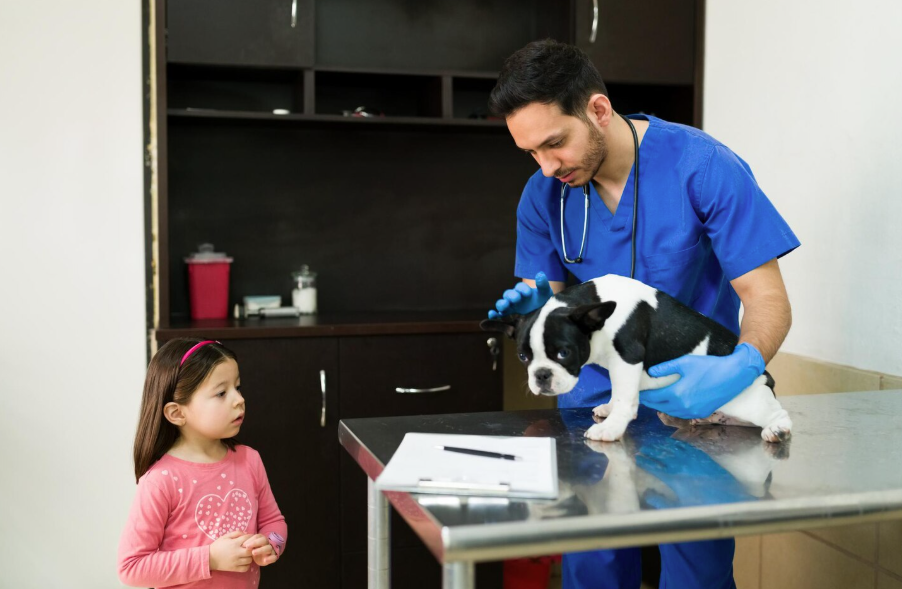
You might be feeling a quiet worry that goes beyond your own pet. Maybe you have a new puppy bringing every shoe and stick into the house, or an older cat who needs regular medication, and somewhere in the back of your mind is a nagging thought. Is this just about my animal, or could this affect my family’s health too. A veterinarian in Houston, TX can help you sort through these concerns and understand what steps to take next.
That question can feel heavy. When you hear about new diseases, antibiotic resistance, or outbreaks linked to animals, it is easy to wonder whether a simple visit to a veterinary clinic is doing enough to protect the people you love. Because of this tension, you might feel stuck between wanting to care for your pet and wanting clear answers about your own safety.
Here is the short version. Veterinary clinics are not only about pets. They are quiet partners in public health. They help prevent diseases that can pass from animals to people, guide the responsible use of antibiotics, and support safer homes and communities. When you understand that connection, your pet’s appointment stops feeling like a small errand and starts to look like part of a bigger safety net around your family.
How does your pet’s health connect to your family’s safety
It often starts with something simple. A scratch from a kitten, a dog who eats something strange at the park, or a backyard chicken that becomes a family project. On the surface, these are normal parts of life with animals. Underneath, they can carry real health questions. Could this cause an infection. Is this something that spreads between animals and people. Who is supposed to help you sort that out.
Veterinary clinics sit right at that crossroads. They see patterns that most people never notice. A cluster of dogs with similar symptoms. A new tick-borne disease in your area. An uptick in resistant infections that are harder to treat. These are the early warning signs that matter for public health, because many diseases that affect humans start in animals first.
If you want to understand this link more deeply, there are useful clinical resources for veterinarians that explain how pet care and disease prevention fit together, such as the CDC’s guidance on healthy pets and human health. Even though those materials are written for professionals, they show something important. Your vet is not just treating “an animal.” They are thinking about every person who touches that animal too.
What are the real risks if veterinary clinics were not part of public health
It can help to look at the problem side first. Imagine a world where clinics only focused on fixing a limp or treating an ear infection, and never thought about the human impact. What could go wrong.
First, there are diseases that move between animals and people. These are called zoonotic diseases, and they include things you have probably heard of, like rabies, Salmonella, and some types of flu. Without vaccination programs, routine checkups, and good hygiene advice from your vet, the chances of these infections reaching your home or community would rise. That is not a theoretical risk. Outbreaks often begin quietly, with one sick animal and no one connecting the dots.
Second, there is the quieter threat of antibiotic resistance. You may already have heard doctors warn that some antibiotics are no longer working as well. That problem does not stay in human hospitals. It crosses into animal care too. If antibiotics are used carelessly in pets or livestock, bacteria can become harder to treat in everyone. The CDC has outlined how veterinarians play a role in preventing this, by using antibiotics only when needed and choosing the right drug and dose. You can see that perspective in their information on antimicrobial resistance and veterinarians.
Third, there is the emotional and financial strain on families. When an avoidable disease spreads from a pet to a child or an older adult, it can mean emergency visits, hospital stays, missed work, and a lot of fear. The cost is not only in money. It is in trust. People start to feel unsafe in their own homes, or guilty that a beloved animal may have played a part.
So where does that leave you. It leaves you needing a veterinary clinic that understands it is part of something bigger, often described as the One Health connection between animals, humans, and the environment. That phrase may sound technical, yet the idea is simple. When animals are healthier, people usually are too.
How do veterinary clinics actively protect public health in daily practice
To move from worry to clarity, it helps to see the specific ways clinics support both pets and people.
They vaccinate. When your dog gets a rabies shot, you are not only following the rules. You are blocking one of the most serious diseases known, one that is almost always fatal once symptoms appear. That single appointment protects your household, your neighbors, and the people who work with animals every day.
They screen and report. When a vet notices an unusual disease pattern, they can alert public health authorities. This early reporting helps catch things like new flu strains or tick-borne illnesses before they become larger outbreaks. Resources like the Merck Veterinary Manual on veterinarians in public health describe how clinics fit into this broader network.
They guide everyday prevention at home. Simple advice on handwashing after handling reptiles, safe food handling for raw pet diets, or protecting kids with weakened immune systems can prevent a lot of suffering. That kind of guidance is part of the quiet public health work your vet does during what feels like a routine visit.
They practice careful medication use. Responsible clinics follow antimicrobial stewardship, which means they think hard before prescribing antibiotics. They choose treatments that are effective for your animal, while also reducing the chance of breeding resistant bacteria that could later affect people.
All of this means that when you choose a clinic, you are not just choosing a “doctor for your pet.” You are choosing a partner in public health veterinary care.
What should you weigh when you think about pet care and public health
It can still feel abstract, so it may help to compare different approaches to pet care and how they affect your family’s safety.
| Approach to Pet Care | Short-term Impact on Your Pet | Impact on Your Family’s Health | Public Health Consideration |
|---|---|---|---|
| Skipping regular vet visits | Lower immediate cost, higher risk of missed disease | Greater chance of unnoticed infections at home | Possible spread of preventable diseases in the community |
| Routine checkups and vaccines at a veterinary clinic | Earlier detection, fewer severe illnesses | Reduced risk of zoonotic disease for family members | Supports community immunity and disease tracking |
| Frequent antibiotics without clear diagnosis | May seem to help at first, growing risk of failure | Higher chance of resistant infections affecting people | Contributes to wider antimicrobial resistance |
| Evidence-based use of antibiotics | Targeted, effective treatment when needed | Lower risk of hard-to-treat infections in the household | Supports long-term antibiotic effectiveness for everyone |
Seeing the comparison laid out like this can make one thing clear. The way your pet is cared for shapes not only their future, but your own.
Three practical steps you can take with your veterinary clinic today
- Ask your vet directly about zoonotic risks
At your next appointment, bring your questions into the open. You might say, “Are there any diseases my pet could pass to my family that I should know about. What can we do to prevent them.” This starts a focused conversation. It also invites your vet to share safety steps tailored to your home, such as guidance for pregnant people, young children, or anyone with a weaker immune system.
- Talk about antibiotic use before agreeing to a prescription
If your pet is prescribed antibiotics, pause and ask three simple questions. “Is this definitely needed. Are there tests that can confirm the infection. How long is the shortest safe course.” This does not challenge your vet’s expertise. It shows that you care about the shared problem of resistance. Many clinics welcome this kind of partnership, because it supports safer care for all patients, animal and human.
- Treat preventive care as part of your family’s health plan
Instead of viewing vaccines, parasite control, and regular exams as optional extras, try reframing them as part of your household’s health routine. Mark them on the same calendar where you track school physicals or dental checkups. This mindset shift recognizes that veterinary clinic services are one layer of protection around your home, not just an expense for your pet.
Where does this leave you and your pet now
You do not need to become a scientist or read every study on animal diseases to protect your family. What you need is awareness, a bit of curiosity, and a veterinary clinic that understands its role in shared health. When you ask better questions, keep up with preventive care, and pay attention to how antibiotics are used, you are already participating in public health in a very real way.
Your pet is part of your family. Their care should support everyone who loves them. When you treat the connection between animals, people, and clinics as a single story, the path forward becomes steadier and a little less frightening.