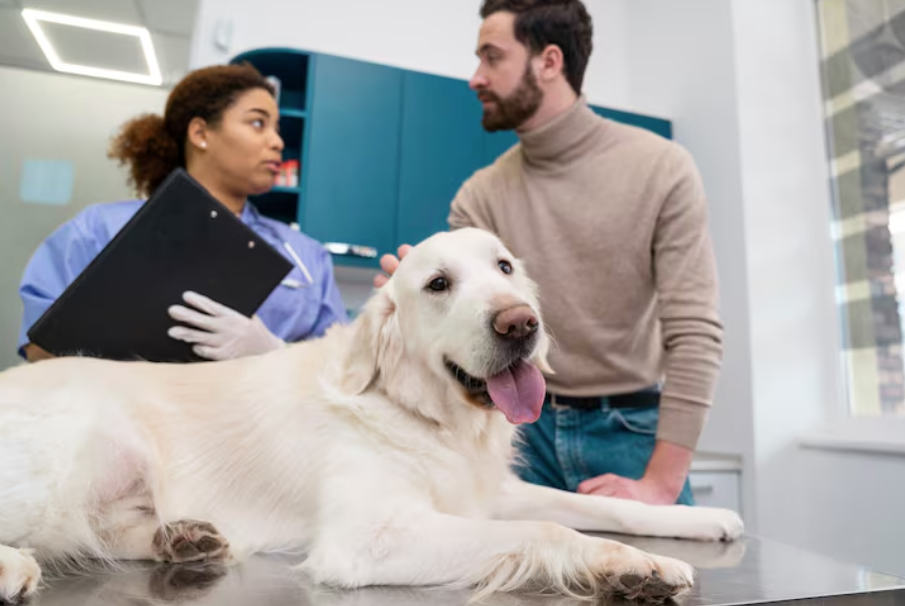
You might be reading this with a lump in your throat, wondering how you ended up here at Burlington animal hospital, weighing choices you never wanted to face for a pet who has been part of your life for years. There was a time when the biggest worry was a torn toy or a missed vaccination. Now you are watching appetite fade, energy drop, and you are asking yourself whether your pet is still comfortable, and what comes next.
This is the before and after of loving an animal. Before, everything feels open and simple. After, you are trying to balance love, guilt, fear, money, and time, often on very little sleep. You might be afraid of making “the wrong decision,” or of acting too soon, or waiting too long. That is an incredibly heavy place to stand.
In the middle of that, an animal hospital can feel like an anchor. The right team does not just provide medical care. They help you understand your pet’s condition, walk you through options like hospice and euthanasia, and support you before, during, and after you say goodbye. They help you protect your pet from needless suffering, while also giving you space to grieve and remember. That is what thoughtful end of life pet care is meant to do.
How do you know when it is really “time” for end of life care?
One of the hardest parts is that there is rarely a single clear moment. Instead, you get a series of small changes. Your dog no longer greets you at the door. Your cat hides more and eats less. Medications do not work as well as they used to. You might find yourself asking every day, “Are they still happy?”
This uncertainty is the problem at the heart of end of life decisions. You love your pet deeply, which makes it easy to second guess every choice. Family members may disagree. One person wants to “do everything.” Another worries about putting a frail animal through more tests or hospital stays. Money can add tension on top of grief, especially if treatments are costly and the outcome is still poor.
Because of this tension, animal hospitals often focus first on quality of life, not just on diagnosis. Many veterinarians will walk you through questions such as:
- Is your pet eating and drinking on their own most days?
- Can they move to their food, water, and litter box or outside area without extreme distress?
- Are there more good days than bad days in a typical week?
- Is pain controlled with the medications and care you are giving now?
- Are they still interested in at least some of the things they used to enjoy?
These questions are not meant to pressure you. They are a tool to help you see patterns that are hard to notice when you are exhausted and emotional.
What does compassionate end of life care from an animal hospital actually look like?
Once you start talking openly about the end of life, new questions appear. Should you try another treatment or transition to hospice care at home. Should you schedule euthanasia or wait for a “natural” death. How do you prepare children. What will the actual day feel like.
This is where a caring animal hospital becomes more than a medical provider. Many hospitals offer:
- Honest medical guidance
Your veterinarian can explain your pet’s condition in simple language, outline realistic outcomes, and help you understand when treatments are likely to add comfort versus when they may only add time. Professional groups, such as the American Veterinary Medical Association, provide clear guidelines on euthanasia methods to ensure your pet’s passing is as peaceful and pain free as possible. Your hospital follows standards like these so you do not have to worry about the technical side.
- Hospice and palliative care planning
If you choose to keep your pet at home for as long as possible, the team can help you create a plan for pain control, mobility support, feeding, and hygiene. They might show you how to give medications, adjust bedding, or use slings or ramps. They can also schedule regular check ins to adjust the plan as your pet’s condition changes.
- Thoughtful euthanasia support
When you decide on euthanasia, your veterinarian will explain each step beforehand. Research, including work published in the Journal of the American Animal Hospital Association on creating a better euthanasia experience for pets and families, has shaped how many hospitals now handle this moment. They may offer a quiet room, soft bedding, time alone before and after, and the option for you to hold your pet. Sedation is often given first so your pet can relax and even fall asleep before the final injection.
- Emotional and grief support
Some hospitals have trained staff who can talk with you about grief and guilt. Others partner with pet loss support groups or counselors. They may provide handouts for children, offer paw prints or fur clippings, and help you arrange cremation or burial. This is part of how end of life pet care extends beyond the medical moment.
How do your choices compare when planning end of life care?
It can help to see the options laid out in a simple way. Every situation is different, yet there are common paths that pet owners consider.
| Option | What it looks like | Benefits | Challenges |
|---|---|---|---|
| Continue aggressive treatment | Ongoing tests, hospital stays, surgeries or advanced therapies | May extend life in some cases, can feel like you are “doing everything” | Can be expensive, stressful, and may not improve comfort or quality of life |
| Hospice / palliative care at home | Focus on pain control, comfort, and daily support guided by your veterinarian | Pet stays in familiar surroundings, more control over daily routine, often less stressful | Requires time and emotional energy from you, may still lead to difficult decisions later |
| Planned euthanasia at the animal hospital | Scheduled visit in a quiet space with your veterinary team | Controlled, peaceful passing, medical team handles all technical aspects, support for you on site | Leaving home can be hard, some people fear being in a clinical setting during grief |
| Planned euthanasia at home (if available) | Veterinarian comes to your home for the procedure | Pet remains in a familiar place, often feels gentler for families | Not available everywhere, may cost more, space and privacy at home can be an issue |
So where does that leave you. It leaves you with choices, none of which erase the sadness, but some of which may better match your pet’s needs and your values. An animal hospital that understands end of life care will help you walk through these options step by step, not rush you through them.
What can you do right now to feel a little less lost?
When everything feels overwhelming, it helps to focus on a few clear actions. Here are three steps that can bring some structure and peace.
- Start an honest quality of life check today
Choose a simple way to track your pet’s good and bad days. You can draw a calendar, use a notes app, or print a quality of life scale recommended by your veterinarian. Each day, jot down whether your pet ate, moved comfortably, interacted, and seemed content. After a week or two, patterns often appear that are hard to see in the moment. Bring this record to your next appointment so your veterinary team can give more tailored guidance.
- Schedule a “talk only” visit with your veterinarian
If you can, ask for an appointment focused on discussion, not just medical procedures. Tell the team ahead of time that you want to talk about end of life options. Prepare a short list of questions, such as “What signs would tell you my pet is suffering” or “What would you do if this were your own animal.” Having this conversation before an emergency gives you more space to think and to include other family members in the decision.
- Decide on your boundaries and wishes in advance
Take a quiet moment to write down what matters most to you and your pet. For example, you might say, “I do not want my pet to experience uncontrolled pain,” or “I want my pet to pass at home if possible.” You can also set financial limits. Sharing these boundaries with your veterinarian helps them guide you in a way that respects your values. It turns a vague fear into a clearer plan, which is one of the most powerful parts of thoughtful end of life care for pets.
How can you carry this love forward after goodbye?
Saying goodbye does not end the bond. It changes it. Grief can come in waves. One day you might feel relief that your pet is no longer suffering. The next day you might be hit with sharp guilt or emptiness. This is normal, even if it feels confusing.
An animal hospital that truly cares will remind you that choosing a peaceful passing is not a failure or a betrayal. It is often the final act of love, especially when you have done the work to understand your pet’s comfort and needs. You are not expected to carry this alone. Reach out to your veterinary team, to support groups, or to trusted people in your life who understand what this loss means to you.
You gave your pet a good life. With the right guidance, you can also give them a gentle goodbye, and you can give yourself permission to grieve without regret.