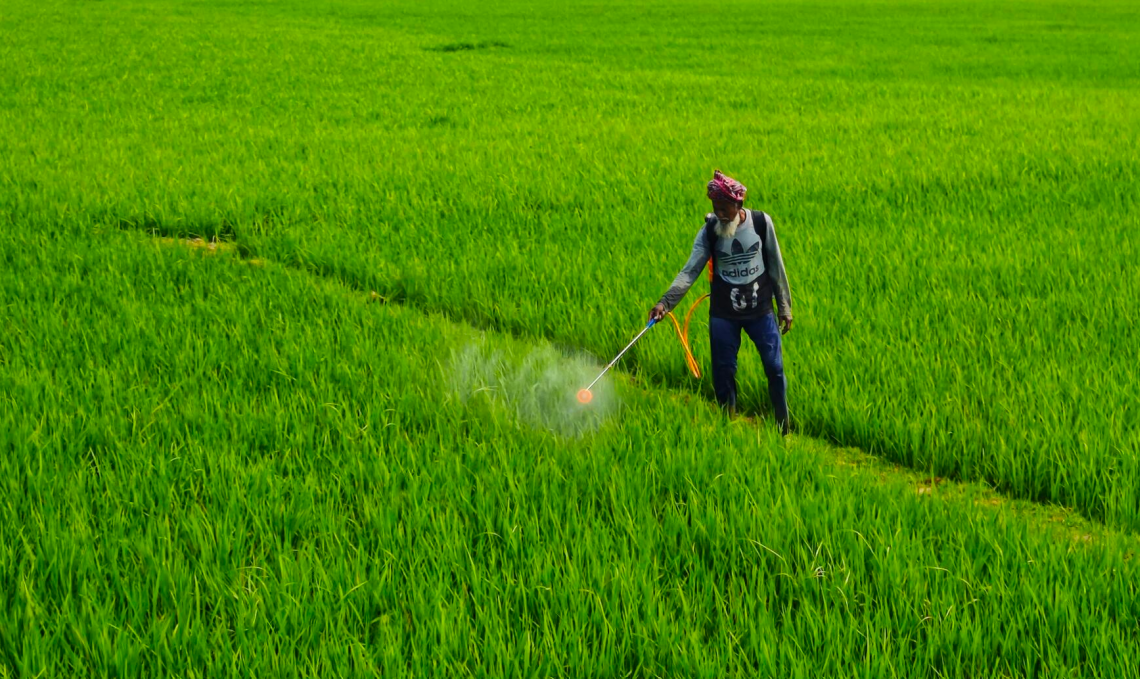
In the world of agriculture, farmers need tools that help them grow healthy crops while keeping unwanted plants, or weeds, at bay. This is where herbicides come in, particularly selective herbicides.
Selective herbicides target specific weeds. They won’t harm the crops you want to keep, unlike regular herbicides that kill all plants. Understanding how selective herbicides work can help us appreciate their importance in sustainable farming.
What Are Selective Herbicides?
Selective herbicides are special plant protection products that focus on killing certain weeds while leaving desirable plants unharmed. This means that if a farmer sprays a selective herbicide in their field, it will target only the unwanted plants, allowing crops like corn or soybeans to thrive. This selective targeting helps farmers maintain a healthy yield while reducing competition for nutrients and sunlight.
The Science of How They Work
These herbicides work by disrupting the growth processes of the targeted weeds. Many selective herbicides interfere with plant hormones or specific metabolic pathways that are essential for the growth of certain types of weeds.
For example, some herbicides block the synthesis of amino acids that are crucial for plant growth. When a weed can’t produce these necessary building blocks, it soon wilts and dies, while crops continue to grow as they are unaffected.
Different Types of Selective Herbicides
There are several categories of selective herbicides, each suited for different types of weeds and crops. Here are two common types:
- Hormone-Based Herbicides
- Photosynthesis Inhibitors
The Importance of Selective Herbicides in Agriculture
Selective herbicides play a crucial role in modern agriculture. They help increase crop yields and protect the land from being overtaken by invasive weed species. Additionally, using selective herbicides can reduce the need for mechanical weeding, which saves time and labor.
By effectively managing weeds, farmers can use less land and resources while still growing the same amount of food. This is essential in a world where the population is continuously rising and sustainable farming is becoming more important.
Environmental Considerations
While selective herbicides offer many benefits, it’s important to use them responsibly to protect the environment. If not applied correctly, herbicides can run off into water sources and affect other plants and animals. Farmers and agricultural scientists are now working on ways to minimize these risks.
For instance, they apply herbicides at specific times and in measured amounts to ensure that only the intended weeds are targeted. Selecting the right product for the specific weed problem is also crucial. By understanding how and when to use selective herbicides, farmers can contribute to a healthier ecosystem.
Future Innovation in Herbicide Technology
The science behind herbicides continues to evolve. Researchers are developing new formulations that are even more selective and safer for the environment.
For example, some scientists are looking into natural herbicides derived from plants or microbes that can effectively target weeds without harming other plants. Innovations in technology also allow for better plant identification, which means that herbicides can become even more precise in targeting specific weeds. If you’re interested in learning more about how these innovative products can help farmers, click for selective herbicides here.
The Impact of Selective Herbicides
Selective herbicides are essential tools for modern farming, allowing farmers to protect their crops while effectively managing weeds. By understanding the science behind these herbicides, we can appreciate their role in achieving sustainable agriculture and feeding a growing population. Farmers can streamline their work and safeguard their fields from the dangers of weed growth.
For more helpful tips, check out the rest of our site today.