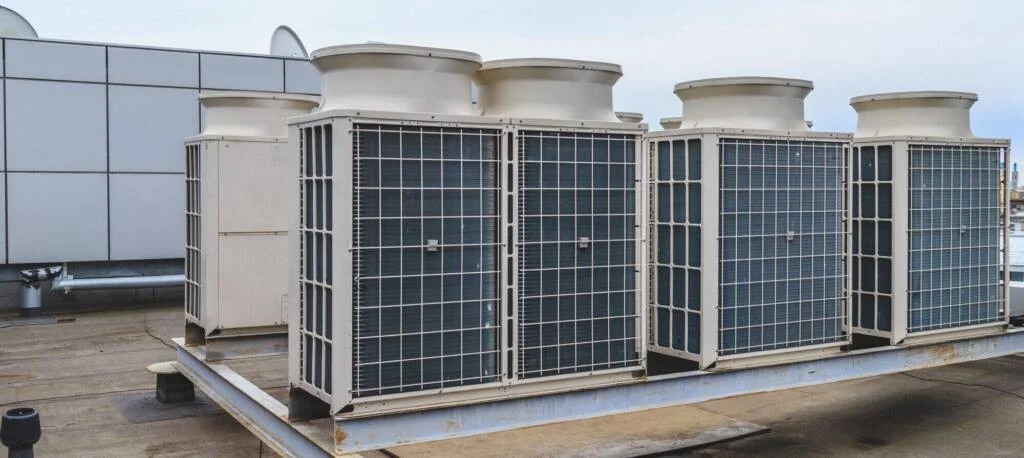
Today’s HVAC systems play a big role in keeping commercial buildings comfortable and productive. Replacing an aging system is a major investment that needs careful planning. A rushed decision can lead to higher costs and unexpected problems later.
Good preparation also helps reduce downtime during installation. Business owners and property managers should review every important detail before moving forward. Following the right smart planning steps can make the replacement process easier and more cost-effective.
Read the sections below to learn the key steps that can help you prepare before replacing commercial HVAC units.
Evaluate the Building’s Heating and Cooling Needs
Every commercial building has different heating and cooling demands. Changes in occupancy can affect how much capacity is needed. Renovations or added workspaces may also change airflow requirements.
Choosing the right system size helps improve efficiency and comfort. An oversized or undersized unit can waste energy and create uneven temperatures. A detailed assessment helps match the new equipment to the building.
Plan the Budget Beyond Equipment Costs
The purchase price is only one part of the total project cost. Installation, labor, permits, and possible upgrades should also be included in the budget. It is also helpful to plan for future maintenance expenses.
Energy savings over time can offset part of the investment. Looking at long-term value instead of only the initial cost leads to better decisions. Careful budgeting helps avoid unexpected financial pressure.
Check the Existing Infrastructure
The building’s existing ductwork, electrical system, and ventilation should be inspected before replacement begins. Some parts may need upgrades to support the new equipment. This is also a good time to review combustion equipment performance and airflow to make sure the entire system works safely and efficiently.
Identifying these needs early helps prevent delays during installation. A complete inspection can also uncover issues that would otherwise be missed. Proper preparation creates a smoother replacement process.
Schedule the Installation Carefully
Planning the installation at the right time can reduce disruptions to daily operations. Many businesses choose slower periods to complete major HVAC work. A clear schedule allows staff and tenants to prepare in advance.
Good communication keeps everyone informed throughout the project. Planning ahead also gives contractors enough time to complete the work properly. A well-organized schedule helps keep the project on track.
Think About Future Efficiency and Maintenance
A new HVAC system should provide value for many years. Choosing equipment with strong energy efficiency can lower operating costs over time. Easy access for maintenance also helps keep the system in good condition.
Regular servicing can extend the life of the equipment and reduce unexpected repairs. Planning for future maintenance before installation makes ongoing care much easier. A long-term approach helps protect the investment.
Plan Your Steps Before Replacing Commercial HVAC Units
Replacing commercial HVAC units requires more than choosing new equipment. Careful planning helps control costs and reduce unnecessary downtime. Reviewing the current system, building needs, and infrastructure supports better decisions.
A realistic budget and a clear installation schedule also improve project success. Thinking about future maintenance helps protect the investment for years to come. Following these smart planning steps can make the replacement process more efficient and less stressful.
For more topics, visit our blog page. We do have more!