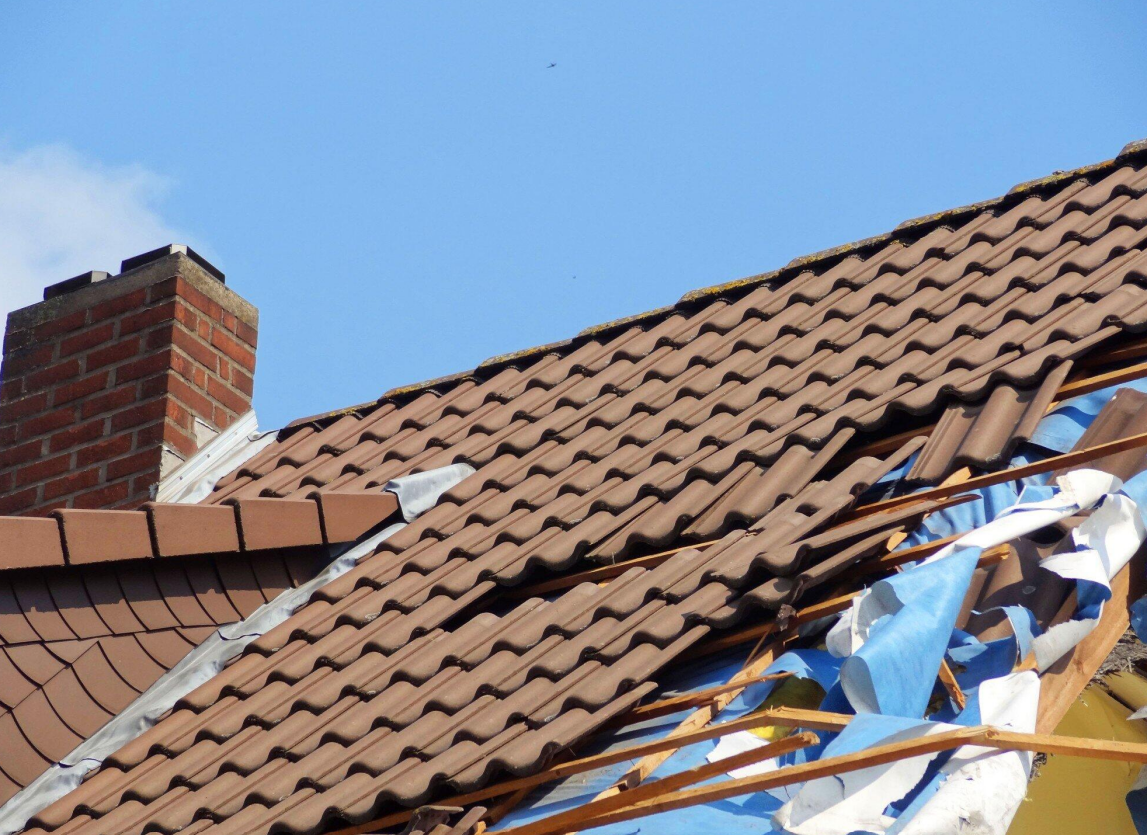
A roof helps keep a home safe from rain, wind, heat, and storms. Most people do not think much about their roof until something goes wrong. When damage happens, many homeowners hope their insurance policy will help pay for repairs.
Insurance can be very helpful, but many people are not sure what their policy covers. Some roof problems may be covered, while others may not. Knowing how homeowner’s insurance works can help you avoid stress and make better choices if damage occurs.
If you want to understand roof claims better, keep reading. Learning the basics now can help you feel more prepared later.
Why Roof Insurance Coverage Is Important
Roof repairs can cost a lot of money. Even a small leak can lead to bigger problems if it is not fixed quickly. In some cases, major storm damage may require large repairs or even a new roof.
Homeowner’s insurance helps protect homeowners from unexpected costs. When a covered event damages the roof, the policy may help pay for repairs.
This protection can make a big difference after a storm or other sudden event. That is why it is important to understand how your coverage works before you need to use it.
What Roof Damage Is Usually Covered
Many homeowners’ insurance policies cover damage caused by sudden events. These events are often listed in the policy.
Strong winds can tear off shingles. Hail can crack roofing materials. Falling tree branches can damage parts of the roof.
If these events happen and the damage is covered by the policy, insurance may help pay for repairs.
Fire damage is also covered by many homeowners’ insurance policies. If a fire damages the roof, the insurance company may help pay for the work needed to repair or replace it. Coverage depends on the details of the policy, so homeowners should always review their insurance documents carefully.
What Roof Damage Is Usually Not Covered
Not all roof problems are covered by insurance. One of the most common reasons claims are denied is normal wear and tear.
Roofs get older over time. Sun, rain, and changing weather slowly wear down roofing materials. Insurance companies usually see this as a normal part of homeownership rather than sudden damage.
Damage caused by poor maintenance may also be excluded. If a homeowner ignores a small leak for a long time and the problem gets worse, insurance may not cover the repairs.
Problems caused by poor installation or construction defects are often excluded as well. Understanding these limits can help homeowners avoid surprises during the claims process.
Why Reading Your Policy Matters
Many homeowners do not read their insurance policy until they need to file a claim. This can lead to confusion when roof damage happens.
A policy explains what is covered, what is excluded, and how much the insurance company may pay. It also explains deductibles and coverage limits.
Some policies offer replacement cost coverage. This type of coverage may help pay for new materials of similar quality.
Other policies use actual cash value coverage. This may reduce the payment based on the roof’s age and condition. Knowing these details before a problem happens can make the claims process easier.
What to Do After Roof Damage
If roof damage happens, it is important to act quickly. Safety should always come first. If the damage is severe, avoid dangerous areas until they can be inspected.
Take photos of the damage as soon as it is safe. Pictures can help show the condition of the roof after the event.
Contact your insurance company and report the damage. The company may schedule an inspection to review the claim.
Keep copies of emails, estimates, photos, and other documents. Good records can help make the process smoother.
How Roofing Contractors Can Help
Roofing contractors often play an important role after roof damage occurs. They can inspect the roof and explain what repairs may be needed.
A contractor may find damage that is difficult to see from the ground. Their inspection can help homeowners better understand the condition of the roof.
Some contractors have experience working with roofing insurance claims. They may help provide information and reports that support the inspection process. It is important to choose a trusted contractor with a good reputation. Taking time to select the right company can help prevent problems later.
Common Problems During a Roof Claim
Sometimes the claims process takes longer than expected. Inspections may need to be scheduled, documents may need to be reviewed, and additional information may be requested.
There may also be disagreements about the amount of damage or the cost of repairs. These situations can slow down the process.
Good communication can help. Homeowners should respond quickly to requests and keep records of important conversations. Staying organized can make the process easier and help reduce stress.
The Value of Regular Roof Maintenance
Insurance helps with sudden damage, but routine maintenance is still important. A well-maintained roof is often less likely to develop serious problems.
Regular inspections can help find small issues before they become expensive repairs. Replacing damaged shingles and fixing minor leaks can help protect the roof. Keeping maintenance records may also be useful if questions come up during a future claim.
Why Documentation Makes a Difference
Keeping good records can be helpful when dealing with roof damage and insurance claims. Many insurance companies ask for proof of the roof’s condition before and after a damaging event. Having clear records can make it easier to explain what happened and support a claim.
Homeowners can keep copies of inspection reports, repair receipts, maintenance records, and photos of the roof. These documents can show that the roof was properly cared for and help create a timeline if damage occurs. When questions come up during the claims process, organized records can provide useful information and help avoid delays.
Be Ready Before Problems Happen
Understanding homeowner’s insurance for roofing claims can help homeowners feel more confident when damage occurs. Knowing what is covered, what is not covered, and how the claims process works can make a difficult situation easier to manage.
Insurance is an important tool, but it works best when homeowners understand their policy and keep their roofs in good condition. By reviewing coverage, maintaining the roof, and acting quickly after damage, homeowners can be better prepared for the unexpected. A little preparation today can help protect your home, your budget, and your peace of mind tomorrow.
For more on this content, visit the rest of our blog!