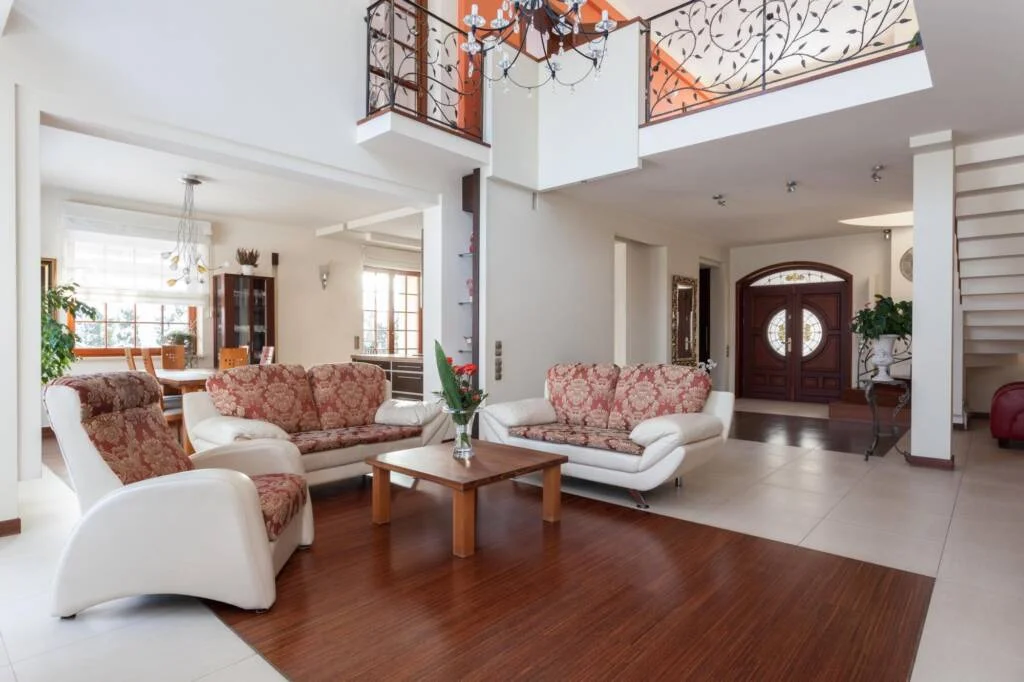
When you walk into a room, you quickly notice its colors, textures, and layout. These design elements can affect how the space feels and the impression it leaves. Some rooms feel warm, welcoming, and memorable because of the choices made in their design.
Every part of a room, from the furniture to the lighting, helps shape its look and function. As our homes continue to play an important role in our daily lives, thoughtful design can make them more comfortable and enjoyable.
In this article, we’ll explore how smart design choices can improve interior spaces and help create rooms that are attractive, practical, and a reflection of your personal style.
Color Coordination
Color is an important part of any design project. It can affect mood, how big or small a space feels, and even how warm or cool a room seems. Choosing colors is not just about personal taste.
It also entails comprehending the emotional impact of color. Warm hues like orange and red, for instance, can evoke a sense of coziness and warmth. In sociable spaces like living rooms, these hues frequently look good.
Cool colors such as blue and green can create a calm and relaxing mood, making them a good choice for bedrooms or quiet spaces. People often form quick opinions about things based on color alone.
Because of this, using a well-planned color scheme can help make a space more appealing and meaningful. Color can also change how a room feels in size. Light colors can make a space feel bigger and more open, while dark colors can make it feel smaller and more cozy.
Layout Planning
Once the color scheme is established, the next critical phase is layout planning. A well-thought-out layout not only improves the flow of movement within a space but also maximizes the function of each area. This process involves identifying the primary purpose of each room and arranging furniture in a way that supports both usability and comfort.
For example, in a living room, the seating arrangement should promote conversation without causing clutter. Key factors to consider include:
- Traffic flow
- Focal point
- Zoning
A well-planned layout respects both the dynamics of social interaction and the practical needs of daily life. Additionally, it can alleviate stress and improve overall productivity within a home or office space.
Design Elements
Design elements include things like furniture, fixtures, and decorations that shape how a space looks and feels. Choosing these items carefully can help create a consistent style, making a room feel balanced and connected.
It is also important to think about how materials, textures, and patterns work together. For example, mixing wood with soft fabrics can make a space feel warm and comfortable. Handmade items can also add a unique touch and make a room feel more personal.
Beyond aesthetics, functionality is key to selecting design components. You may explore countertops in Conroe TX, for instance, to ensure longevity while maintaining visual appeal. Choosing low-maintenance materials, such as quartz or granite, can save time and effort in upkeep, allowing residents to enjoy their space without constant worry.
The Importance of Lighting
Lighting is often an overlooked aspect of interior design, yet it can make or break the atmosphere of a space. The right lighting can highlight design features, create mood, and even alter perceptions of size. Incorporating multiple sources of light ensures versatility and can transform an unfinished room into a well-balanced environment.
Consider a layered lighting approach that includes ambient, task, and accent lighting. Ambient lighting serves as the foundation, providing general illumination. Task lighting directs light onto specific areas, such as reading nooks or workspaces, while accent lighting adds drama by emphasizing art or architectural features.
Furthermore, natural light should not be overlooked. Maximizing the use of windows can greatly enhance mood and well-being.
A well-lit room not only appears larger but also feels more inviting. Using sheer curtains or strategically placing mirrors can harness natural light, making interiors vibrant and more alive.
Personal Touches
A truly inviting and appealing environment reflects the personality and lifestyle of its occupants. Personal touches, such as family photos, travel mementos, or unique artwork, can create a warm atmosphere and help tell a story. These elements foster connection and belonging, making a space feel lived in and loved.
Adding greenery is another fantastic way to infuse life into a space. Houseplants improve air quality and introduce new textures and colors. Plus, they add a natural element that can soften modern interiors, bridging the gap between indoors and outdoors.
Furthermore, consider varying your decorative objects. Patterns, shapes, and colors can stimulate visual interest. Mixing and matching different styles-from vintage to contemporary-can create an engaging narrative throughout the space. This approach not only personalizes the design, but it can also evolve over time as personal tastes change.
Sustainability in Design
More than ever, sustainability plays a significant role in today’s design choices. Incorporating eco-friendly materials and energy-efficient appliances can create a space that is not only beautiful but also responsible. Sustainable design choices contribute to efficient living while also lessening the environmental impact.
When redecorating, opt for materials such as reclaimed wood or recycled metal. Not only do these options minimize waste, but they also provide unique character. Additionally, energy-efficient appliances reduce energy consumption, supporting a sustainable lifestyle.
Investing in quality over quantity also ties into sustainability. Instead of frequently replacing items, higher-quality investments that stand the test of time support both the environment and your wallet.
Transforming Interior Spaces Thoughtfully
Thoughtful design choices can elevate any interior space into an appealing environment. By incorporating elements like color coordination, effective layout planning, and personal touches, you can create a space that not only looks stunning but also functions beautifully. With an emphasis on sustainable practices, each design decision can lead to lasting change that benefits both residents and the environment alike.
As you embark on your design journey, remember that every choice matters. Start today and watch your interior spaces flourish!
Looking for more tips and advice? You’re in the right place! Make sure to bookmark our page and come back to check out more interesting articles.