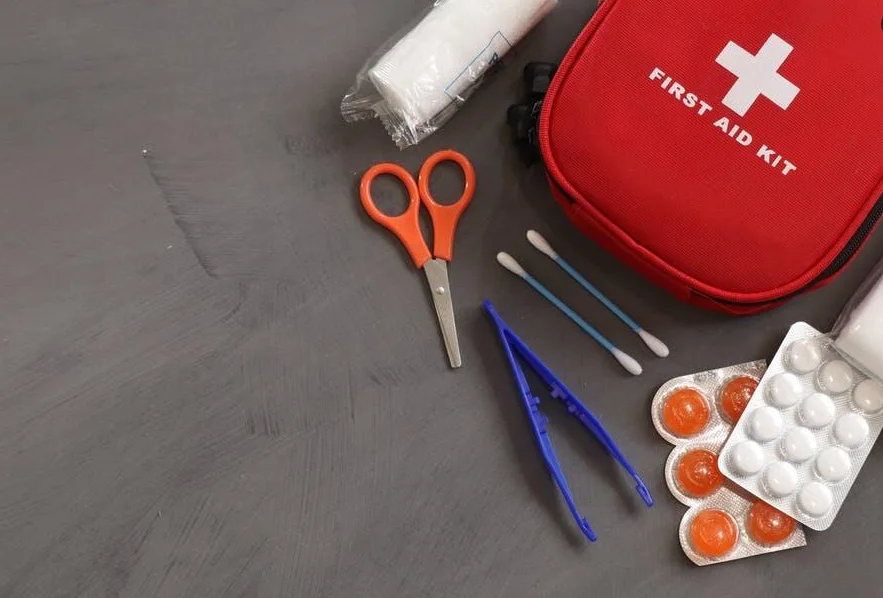
Accidents and medical emergencies can happen anywhere-at home, at work, on the road, or during outdoor activities. Knowing basic first aid can help you respond quickly and confidently while waiting for professional medical assistance. In some situations, first aid skills can even save lives.
Here are the top 9 essential first aid skills that everyone should learn. Read on.
1. Cardiopulmonary Resuscitation (CPR)
CPR is one of the most important first aid skills. It helps maintain blood flow and oxygen circulation when a person’s heart stops beating.
Learning proper chest compressions and rescue breathing techniques can significantly increase a person’s chances of survival during cardiac arrest. Make sure to join the best programs to get the most out of learning fundamentals in first aid.
2. Using an Automated External Defibrillator (AED)
An AED is a portable device used to restore a normal heart rhythm during sudden cardiac arrest. Modern AEDs provide step-by-step voice instructions, making them easier to use. Knowing how to operate an AED alongside CPR can greatly improve emergency outcomes.
3. Treating Severe Bleeding
Heavy bleeding can become life-threatening within minutes. Everyone should know how to apply direct pressure to a wound, elevate the injured area when appropriate, and use a clean dressing or bandage. Quick action can help prevent excessive blood loss.
4. Managing Choking Emergencies
A blocked airway can quickly become fatal if not addressed. Learning how to recognize choking signs and perform abdominal thrusts, commonly known as the Heimlich maneuver, can help remove an obstruction and restore normal breathing.
5. Caring for Burns
Burns can occur from heat, chemicals, electricity, or hot liquids. Basic first aid includes cooling the burn under running water, protecting the area from infection, and knowing when professional medical care is necessary. Proper treatment can reduce pain and minimize tissue damage.
6. Handling Fractures and Sprains
Broken bones and sprains require careful handling to prevent further injury. Learning how to immobilize an injured limb, apply a splint when necessary, and reduce movement can help protect the injured person until medical help arrives.
7. Recognizing Heart Attack Symptoms
Heart attacks do not always present as dramatic chest pain. Symptoms may include shortness of breath, nausea, dizziness, or discomfort in the arms, jaw, or back. Early recognition and prompt emergency response can save lives.
8. Identifying Stroke Warning Signs
A stroke is a serious medical emergency that demands prompt treatment. The FAST acronym-Face drooping, Arm weakness, Speech difficulty, and Time to call emergency services-can help you identify warning signs and respond without delay.
9. Responding to Allergic Reactions
Severe allergic reactions, known as anaphylaxis, can cause breathing difficulties and dangerous swelling. Learning how to identify symptoms and use an epinephrine auto-injector can be lifesaving for someone experiencing a serious allergic reaction.
Empower Yourself with First Aid Skills!
First aid knowledge is a valuable life skill that can make a critical difference during emergencies. By learning these ten essential skills, you can provide immediate assistance, reduce the severity of injuries, and potentially save lives. Regular first aid training and refresher courses help ensure that you remain prepared to respond effectively when an emergency occurs.
If you want to read more articles, visit our blog.