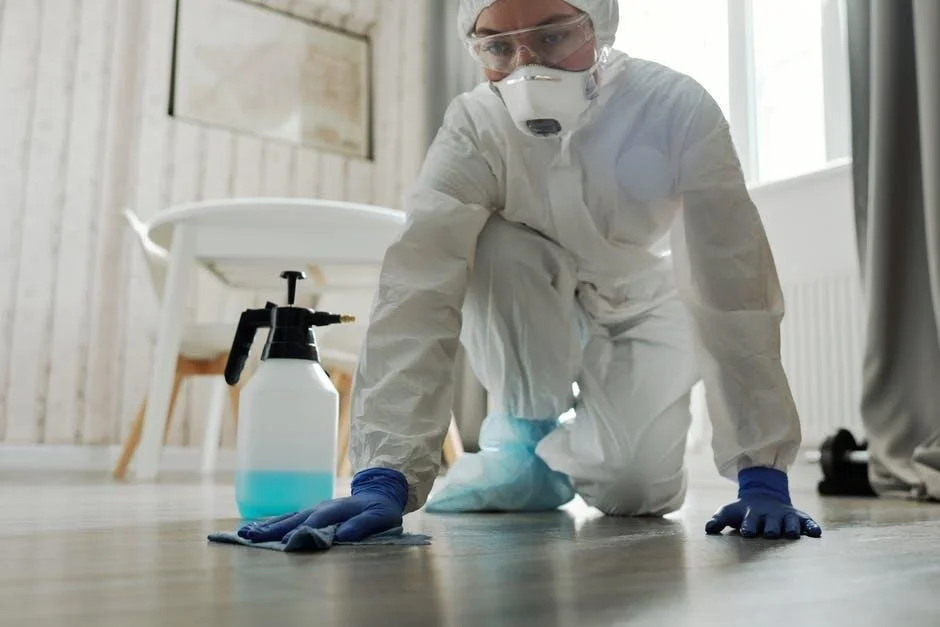
Cleaning up hazardous materials like blood or infectious substances requires following safety protocols. This is vital for protecting both the cleaner and the environment.
Biohazard cleanup is a serious task and requires strict adherence to safety measures to ensure that the area remains safe. Knowing the procedures for handling biohazards is crucial. It can save lives, whether you’re a pro cleaner or just dealing with a small spill.
Continue reading to discover everything you need to know!
Understanding Biohazards
A biohazard refers to any biological substance that poses a threat to the health of living organisms, primarily humans. Common examples of biohazards include blood, bodily fluids, and certain pathogens. These materials can carry infectious diseases, so handling them without the proper safety protocols can result in serious health risks.
Essential Personal Protective Equipment (PPE)
The first step for anyone involved in biohazard cleanup is to wear the right personal protective equipment (PPE). This gear is designed to protect the individual from harmful substances during the cleaning process:
- Gloves
- Goggles
- Face Masks
- Protective Suits
Having the right PPE ensures that you stay safe while working in a potentially dangerous environment. It’s also essential to remember that all PPE should be disposed of properly after use.
Containment Procedures
Once the correct PPE is on, the next step in biohazard cleanup is to establish containment procedures. This is crucial for preventing the spread of hazardous materials.
Mark off the area where the biohazard is located. Use warning signs to alert others to stay away. Use plastic sheeting or tape to create barriers around the contaminated area.
This can help prevent contamination from spreading to other parts of a building. Ensure proper ventilation by opening windows or using fans, and this can help disperse harmful airborne contaminants. By following these containment procedures, you can significantly reduce the risk of exposure to biohazards for yourself and others.
Proper Waste Disposal Methods
After the biohazard has been cleaned, proper waste disposal is essential to prevent further contamination. All waste must be placed in specially designed biohazard bags for safe handling. Clearly label all bags containing biohazard material to prevent accidental exposure.
Different areas have specific laws concerning biohazard waste disposal. Always comply with these regulations. Proper waste disposal is vital; it keeps the environment safe and prevents the spread of diseases.
When to Call Professionals
In many situations, it’s best to call in professionals for biohazard cleanup. While some small, controlled cleanups can be handled by individuals, larger or more complex situations often require expertise.
Crime Scene Cleanup Services offer specialized training and tools to manage hazardous materials safely and effectively. These experts know how to follow all safety protocols and can ensure a thorough cleanup.
Stay Safe and Sound
In summary, understanding safety protocols for biohazard cleanup is essential for anyone who may encounter hazardous materials. Wearing the correct PPE, following proper containment procedures, and disposing of waste correctly are key steps in the cleaning process. Protecting yourself and others means following these guidelines carefully.
Should you face a more significant biohazard challenge, do not hesitate to reach out to professionals who can help ensure a safe and effective cleanup. Remember, safety should always come first in biohazard cleanup.
For more helpful tips, check out the rest of our site today.