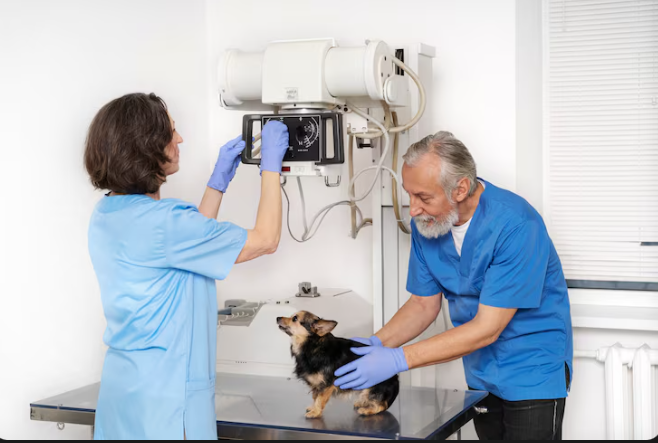
You might be looking at your pet’s reminder for a dental cleaning and wondering why the estimate suddenly includes dental X-rays. You remember when a quick look in the mouth and a bit of tartar scraping was all anyone talked about. Now you are being asked by your veterinarian Murrieta, CA, to approve anesthesia, imaging, and a higher bill, all for teeth that might look “fine” when your pet smiles at you.end
That tension is very real. You want to do the right thing for your dog or cat, but you also do not want to agree to something you do not fully understand. You may worry about anesthesia, about cost, and about whether this is truly necessary or just “extra.” At the same time, a small part of you wonders what you might be missing under the surface.
Here is the short version. Dental X-rays are becoming standard in veterinary care because most dental disease in pets hides below the gumline, where no one can see it. Without images, serious problems are often missed until they are advanced, painful, and expensive to fix. With images, your veterinary team can find problems early, treat them accurately, and spare your pet a lot of silent suffering.
So where does that leave you as a worried but thoughtful pet owner who just wants clear answers and honest guidance about veterinary dental radiographs and why they matter.
Why “Looking In The Mouth” Is No Longer Enough For Your Pet
For many years, a pet dental visit meant a visual exam and scaling the tartar you could see. If the teeth looked mostly clean and nothing was obviously loose or broken, everyone assumed things were fine. The trouble is, teeth are like icebergs. What you see is only a small part of the story.
Veterinary dental specialists and organizations such as the American Animal Hospital Association have shown that most dental problems happen under the gumline, in the roots and bone. Their dental care guidelines now recommend full-mouth dental X-rays as a standard part of professional cleanings for dogs and cats. They do this because, again and again, X-rays reveal hidden disease in teeth that look normal on the surface.
Imagine your dog goes in for a routine cleaning. The gums are a little red, there is some tartar, but nothing looks terrible. Without X-rays, the teeth are cleaned, your dog goes home, and everyone assumes the mouth is healthy. With X-rays, the vet discovers that three teeth have severe root damage and bone loss. Those teeth are painful, even though they look “okay.” Without imaging, your dog would have gone home still hurting, and you would not know why they were reluctant to chew on one side or had bad breath a month later.
This is the heart of why digital dental X-rays for pets are becoming the standard. They turn guesswork into clarity. They allow treatment plans based on what is actually happening, not just on what can be seen with the naked eye.
What Happens When Dental Problems Stay Hidden
So what is the risk of not using dental X-rays for your pet? It helps to walk through a few “what if” situations, because this is where the emotional and financial sides collide.
What if your cat has a tooth resorptive lesion? These are painful areas where the tooth basically starts to break down from the inside. Often, the crown, the part you can see, looks almost normal. The damage is inside the root. Without X-rays, the lesion goes unnoticed. Your cat may start eating more slowly, dropping food, or becoming cranky when touched around the face. You might chalk it up to aging, when in reality your cat has been living with daily dental pain for months or even years.
Or imagine a small breed dog with crowded teeth. These dogs are prone to advanced periodontal disease. The gums might show only mild redness, but under the surface, the roots are loose, and infection is eroding the jawbone. Without imaging, a tooth might be left in place because it “seems okay.” Months later, the tooth fractures, or an abscess forms. Now you are facing an emergency visit, antibiotics, extraction, and a much more stressful experience for both you and your dog.
There is also the financial side that no one likes to talk about, but everyone feels. It can be tempting to skip X-rays to keep today’s dental bill down. The hidden cost is that untreated disease almost always becomes more expensive later. An extraction planned with clear X-rays is usually quicker, cleaner, and safer. Delayed treatment often means more complicated surgery and more follow-up care.
Because of this, groups like the World Small Animal Veterinary Association have issued global dental guidelines that support the use of dental imaging as part of standard care. The focus is not on doing “more” for the sake of it. The focus is on doing what is needed to actually relieve pain and prevent avoidable disease.
Comparing Risks, Benefits, and Costs of Dental X-Rays for Pets
When you are trying to decide what to approve for your pet, it helps to see the tradeoffs laid out clearly. You are balancing comfort, safety, and cost, and it is normal to feel pulled in different directions.
| Question You May Have | Without Dental X-Rays | With Dental X-Rays |
|---|---|---|
| Can hidden disease be found | Only if it is advanced enough to change the tooth or gums on the surface | High chance of finding disease in roots and bone before it is obvious or severe |
| Accuracy of treatment plan | Based on visual exam and probing. Some painful teeth may be missed or left behind | Based on what is actually happening under the gumline. More targeted extractions or treatments |
| Short term cost | Lower fee on the day of the procedure | Higher fee due to imaging and extra time under anesthesia |
| Long term cost | Higher risk of future dental emergencies and repeat procedures | Better chance of resolving problems fully and reducing surprise dental bills later |
| Anesthesia time | Shorter procedure, but may need additional procedures later | Procedure may be a bit longer, but more issues solved in a single anesthetic event |
| Pet comfort | Some painful teeth may remain, leading to ongoing discomfort | Better chance that all painful teeth are identified and treated in one visit |
There is another piece that matters for your peace of mind. Dental X-rays allow your veterinary team to document what was done and why. You can see images of fractured roots, bone loss, or infected areas. That transparency can make it much easier to understand why extractions or other treatments are being recommended for your pet.
Many practices also invest in trained staff who focus on dental care. The American Veterinary Dental College even outlines specific dental services veterinary technicians can provide, which can improve quality and efficiency. When used well, this kind of team approach means your pet spends less time under anesthesia and receives more thorough care.
Three Practical Steps You Can Take Right Now
- Ask your vet how they use dental X-rays and what they are looking for
You are allowed to ask for details. Before your pet’s procedure, ask questions such as “Will you be taking full mouth X-rays or only of problem areas?” and “What kinds of things do you usually find on X-rays that you cannot see on exam?” This opens a calm, honest conversation about how pet dental imaging guides their decisions.
Ask what will happen if the X-rays show a problem tooth. Will they call you during the procedure? Will they have you approve a range of possible treatments ahead of time? Knowing the plan reduces surprises and helps you feel in control.
- Talk about risk, not just cost, when making your decision
It is natural to focus on the number in the estimate. Try to also ask about the risks of skipping X-rays for your particular pet. A young dog with a healthy mouth may have different needs than an older small breed dog with a long history of tartar. A cat with stomatitis or resorptive lesions has different risks again.
A good general veterinarian will walk you through what is most likely in your pet’s case. You can then decide if adjusting the treatment plan or phasing care over time makes sense. The goal is not to agree to everything. The goal is to make a choice that matches your pet’s risks and your family’s budget, with clear eyes.
- Plan ahead for dental care as a routine, not a surprise
Once you understand why veterinary dental X-ray services are recommended, it can help to treat dental care as a planned part of your pet’s life, not an emergency. Ask your vet how often your pet is likely to need a professional cleaning and imaging. Many pets do best with yearly dental checkups once adult teeth are in, sometimes more often for small breeds or cats with known dental issues.
You might choose to set aside a small amount each month toward dental care. Some pet insurance plans also cover dental procedures if you enroll before problems are diagnosed. Even if you do not use insurance, simply expecting dental costs over the years can ease the sting when it is time for a cleaning and X-rays.
Moving Forward With Clarity And Confidence
You care deeply about your pet’s comfort, and you are right to ask questions when you see new items on an estimate. Feeling uneasy does not mean you are difficult. It means you are thoughtful. Once you understand that most dental pain in pets hides where you cannot see it, the role of dental X-rays starts to make more sense. They are not an “extra.” They are the tools that turn surface cleaning into true medical care.
The next time your veterinarian recommends dental imaging, you can walk into that conversation with clear questions and a solid sense of why it matters. You and your vet are on the same side. Both of you want your pet to eat comfortably, play happily, and grow older without the constant drag of hidden dental pain.
Your action now is simple. Review your pet’s dental history, write down your questions about X-rays, and schedule a time to talk them through with your general veterinarian before the next procedure. That one calm, prepared conversation can turn a stressful decision into a shared plan you feel good about, for both you and the animal who trusts you.