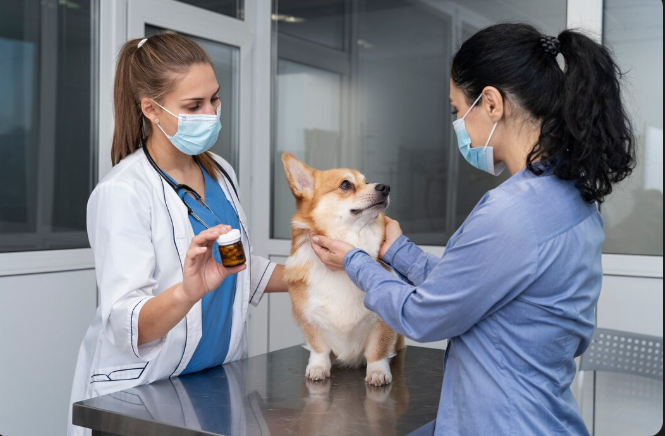
It often starts with something small. Your dog is licking his paws raw every night. Your cat is scratching her ears until they scab. You notice red skin, constant licking, maybe a strange smell, and before long you are washing bedding, changing food, and scrolling through late night forums or calling Kenosha animal hospital trying to figure out what is going on.end
If you are here, you might be torn between “maybe it is nothing” and “what if I am missing something serious.” You may already feel drained from vet visits that did not give clear answers, or from trying different foods and shampoos that did not really help. The worry sits in your chest, because this is not just about itchy skin. It is about watching an animal you love feel miserable, and not knowing what to do next.
The good news is that you are not alone, and there is a path forward. The role of animal hospitals in managing allergies in pets is to move you from guessing and reacting, to understanding and planning. In simple terms, animal hospitals help you figure out what kind of allergy your pet has, rule out other problems, create a long term treatment plan, and adjust that plan as your pet’s body and environment change. You do not need to solve this on your own.
Why are pet allergies so confusing, and where does an animal hospital fit in?
Allergies in pets are rarely straightforward. A dog who scratches might have fleas, food sensitivity, pollen allergy, or a mix of all three. A cat who grooms constantly might be stressed, allergic, or dealing with parasites. Many signs look the same on the surface. Red skin. Chewing paws. Ear infections. Hair loss. So you might swap foods, buy “hypoallergenic” treats, or change detergents, and still see no real improvement.
This is where an animal allergy care approach inside a hospital truly matters. At a well equipped animal hospital, the team does not just look at a rash and guess. They take a history. When did it start. Does it change with seasons. Did it begin after a move or a new food. They examine the skin and ears closely. They may perform skin scrapings, ear cytology, or fungal tests to rule out infections or mites. They may recommend blood work to check overall health. This careful process reduces guesswork and keeps you from spending money on treatments that are unlikely to help.
Because allergies are often life long, the emotional load can be heavy. Chronic itching can mean repeat visits, ongoing medication, and constant watchfulness at home. Some pets wake you at night with scratching. Others develop recurring ear infections that smell bad and hurt. Over time, you might feel guilty, frustrated, or even resentful of the cost. Those feelings are normal. An animal hospital that understands managing pet allergy symptoms will not dismiss those feelings. They will help you set realistic expectations. Allergies are usually managed, not “cured,” but with the right plan, your pet can be far more comfortable and your daily life much calmer.
If you like to read up on medical information, resources such as the allergy guide from UC Davis, available through this UC Davis pet allergy overview, and the Cornell University allergy poster, found through this Cornell pet allergy resource, can deepen your understanding and help you ask better questions at your next appointment.
What specific challenges do pet owners face with allergies?
Consider a common scenario. Your dog starts chewing at his feet in the spring. You suspect grass or pollen. You switch to grain free food “just in case,” buy an allergy shampoo, and try an over the counter antihistamine. It helps a little, then the itching returns, worse than before. Months pass, and now he has ear infections and hot spots. Each urgent visit feels expensive and reactive. You are treating flare ups, not the underlying pattern.
Another example. Your indoor cat starts pulling out fur on her belly. You assume stress. Then you notice red bumps around her neck and some vomiting. You change litter. You buy different treats. Nothing changes. It turns out she has a flea allergy and food sensitivity. Without a structured workup, that combination is easy to miss.
The emotional challenge is the feeling of failure. You might think “If I were a better owner, I would have figured this out.” That is not true. Even experienced veterinarians rely on stepwise testing and careful observation to untangle allergies. This is exactly why animal hospitals exist. To shoulder the medical puzzle so you can focus on caring for your pet.
There is also a financial side. Repeated trial and error at home can be surprisingly expensive, especially when you add up specialty foods, supplements, shampoos, and missed work for last minute visits. A structured plan from an animal hospital may cost more up front, yet it can reduce long term spending by targeting what actually helps your pet and avoiding what does not.
So where does that leave you. It often comes down to a choice between continuing to guess on your own, or partnering with an animal hospital that treats allergies as a long game, not a quick fix.
DIY care vs animal hospital allergy care: what is the real difference?
It can help to compare what you can reasonably do at home with what a full service animal hospital can offer for pet allergy treatment. This is not about shame. It is about clarity, so you can decide what level of support you want.
| Approach | What it usually involves | Strengths | Limitations and risks |
|---|---|---|---|
| DIY home management | Changing diet, over the counter shampoos, antihistamines, online advice | Lower upfront cost. Immediate to start. Helpful for very mild, seasonal signs. | High guesswork. May mask infections. Can delay accurate diagnosis. Risk of unsafe dosing. |
| General vet visit without full workup | Brief exam, short trial of meds, basic flea treatment | Good first step. Can rule out obvious problems. May calm a mild flare. | Limited testing. Often treats symptoms, not cause. May lead to repeated flare ups. |
| Animal hospital allergy focused care | Detailed history, skin tests, lab work, structured food trials, tailored long term plan | More accurate diagnosis. Prevents complications. Builds a plan for life long management. | Higher initial cost. Requires follow up and patience. Some treatments need regular monitoring. |
Studies and clinical experience show that many dogs with atopic dermatitis or environmental allergies need a mix of approaches. That can include strict flea control, prescription anti itch medication, medicated baths, allergen specific immunotherapy, and sometimes special diets. The information from UC Davis and Cornell, linked above, outlines how layered these plans can be. An animal hospital coordinates those layers so you are not trying to juggle them alone.
Three steps you can take now to help your allergic pet
- Start a simple symptom and trigger journal
For the next two to four weeks, write down when your pet itches, licks, or has flare ups. Note the time of day, what they ate, where they were (yard, park, carpeted room), and any new products like cleaners or sprays. Take clear photos of the skin, ears, and any rashes when they are at their worst.
This record becomes gold for your animal hospital team. It shortens the time to a diagnosis, helps them see patterns you might miss, and can even save you from paying for tests that are unlikely to help.
- Get a focused allergy evaluation at an animal hospital
When you schedule, say clearly that you are worried about chronic itching or possible allergies. Ask for enough time for a detailed history and exam. Bring your symptom journal, photos, and a list of all foods, treats, and medications your pet receives, including supplements.
During the visit, you can ask questions like. Could this be fleas, mites, infection, food, or environment. What tests do you recommend and why. What can we try first that will bring relief while we work on the longer term plan. If the hospital has access to dermatology or allergy focused services, ask whether those are appropriate for your pet.
- Commit to one clear plan for at least 8 to 12 weeks
Allergy care is a marathon, not a sprint. Once you and your veterinary team agree on a plan, whether that is a strict elimination diet, regular medicated baths, new flea control, or prescription allergy medication, commit to it fully for the recommended time.
For example, a true food trial usually means feeding only the prescribed diet and approved treats, with no table scraps and no flavored medications. Cutting corners can make the results meaningless, which is frustrating for everyone. If the plan feels hard to follow, say so. The hospital can often adjust it or offer realistic workarounds.
Where do you go from here with your pet’s allergies
Living with a pet who struggles with allergies can be exhausting. You are trying to comfort an animal who cannot tell you exactly what hurts, while juggling costs, time, and advice from every direction. It is understandable if you feel worn out or even a bit hopeless.
You do not have to solve this by yourself. An animal hospital that understands allergy care can share the load. With a thoughtful workup, clear plan, and steady follow up, most pets with allergies can move from constant flare ups to a much calmer, more comfortable life.
Your next step is simple. Gather your notes, choose an animal hospital you trust, and ask for help with long term allergy management, not just today’s itch. The sooner you bring a team into the process, the sooner your pet can rest easier, and you can too.