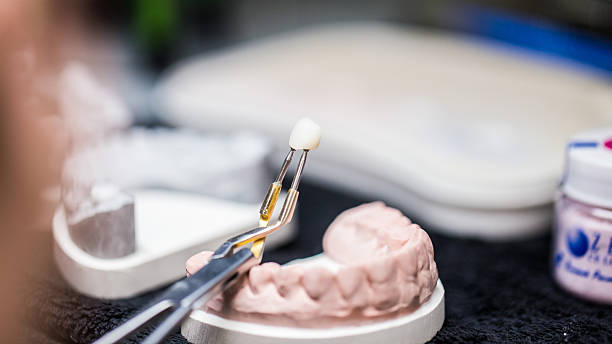
Missing teeth change how you eat, speak, and smile. They can also wear down your confidence and your health. Restorative implants and bridges give you a strong, steady way to replace what you lost. They do more than fill a gap. They protect your jaw, support nearby teeth, and help you chew real food again. Many people wait until pain forces a choice. You do not need to wait. A trusted Shawnee dentist can guide you through simple options that match your mouth and your life. This blog explains four key benefits of implants and bridges, so you know what to expect. You will see how they support your bone, keep your bite stable, and restore clear speech. You will also learn how they can help you care for your mouth with less stress and fear.
1. Stronger chewing and everyday comfort
Missing teeth force your other teeth to work harder. You may chew on one side. You may avoid meat, nuts, or crisp fruits. Over time, this strains your jaw and your gums. It can also upset your digestion because you swallow larger pieces of food.
Implants and bridges spread the chewing force across your mouth. They give you solid support where you lost a tooth. You can bite with both sides again. This helps you
- Chew a wider range of foods
- Cut food into smaller pieces with your teeth instead of your tongue
- Reduce jaw strain and sore muscles
The National Institute of Dental and Craniofacial Research explains that tooth loss is linked to poor chewing and nutrition. You can read more at the NIDCR tooth loss page. Restoring your teeth supports your body, not just your smile.
2. Protection for your jawbone and face shape
Your teeth do more than cut food. The roots also signal your jawbone to stay strong. When you lose a tooth, the bone in that spot can shrink. Your cheeks can sink. Your lower face can look shorter. This can change how your lips and chin sit.
Dental implants act like artificial roots. They sit in the bone and give it a reason to stay firm. Over time, this helps your jaw keep its height and shape. This matters for three reasons.
- Your face keeps its natural shape
- Your remaining teeth have better support
- Your dentures, if you wear them, can fit more steadily
Traditional bridges do not go into the bone. They rest on nearby teeth. They do not trigger bone the same way implants do. Yet they still keep nearby teeth from tipping into the empty space. So they help protect your bite and your gum line.
The U.S. Centers for Disease Control and Prevention notes that tooth loss increases with age and certain health conditions. You can see data on tooth loss and bone health at the CDC oral health tooth loss page. Replacing lost teeth early reduces the damage over time.
3. Clearer speech and more stable teeth
Your teeth guide your tongue when you speak. Gaps in the front or side can cause lisping, whistling, or slurred sounds. You might avoid saying some words. You might speak more softly. This can affect school, work, and daily talks with your family.
Implants and bridges fill those gaps with fixed teeth. They do not move when you talk. That stability helps you
- Shape sounds more clearly
- Hold air in the right way for “s” and “f” sounds
- Speak with less worry about slipping teeth
These restorations also lock your bite into a more steady pattern. Nearby teeth no longer drift into open spaces. Your upper and lower teeth can meet in a more even way. This lowers your risk of chipped teeth and uneven wear.
4. Easier daily care and long-term value
Missing teeth create traps for food. The open space collects plaque. This raises your risk of gum disease and decay in nearby teeth. Cleaning those gaps with floss or a brush can feel awkward.
Implants and bridges change that daily routine. You brush them like natural teeth. You floss around implants and under some bridges with simple tools such as floss threaders or small brushes. Once you learn the steps, your care can feel quick and steady.
This brings three clear gains.
- Lower plaque buildup around the gap
- Better protection for the teeth next to the gap
- Fewer emergency visits for broken or shifting teeth
Over many years, this can save money and time. It can also prevent the emotional shock that comes with sudden tooth loss.
Implants vs bridges at a glance
| Feature | Dental Implants | Dental Bridges
|
|---|---|---|
| What they replace | Entire tooth, including root | Tooth above the gum line |
| Support | Anchored in jawbone | Anchored to nearby teeth |
| Effect on jawbone | Helps maintain bone height | Does not prevent bone loss in the gap |
| Tooth shaping | Often spares nearby teeth | Often needs shaping of nearby teeth |
| Cleaning | Brush and floss like natural teeth | Brush, plus special floss under bridge |
| Typical use | Single or multiple missing teeth | One or a few missing teeth in a row |
| Longevity | Often many years with care | Often years with care |
How to decide what is right for you
The best choice depends on your health, jawbone, budget, and goals. A dentist will look at three main points.
- How many teeth have you lost and where
- How strong your jawbone is
- Your daily habits, such as smoking or grinding
You can prepare by writing your questions. You can mention what you want to eat again. You can share fears about surgery or cost. Clear talk helps your dentist design a plan that respects your limits and your hopes.
Missing teeth can feel like a heavy weight. You do not need to carry that weight alone. Implants and bridges give you real strength, real function, and a calmer mind when you smile, speak, and eat with your family.