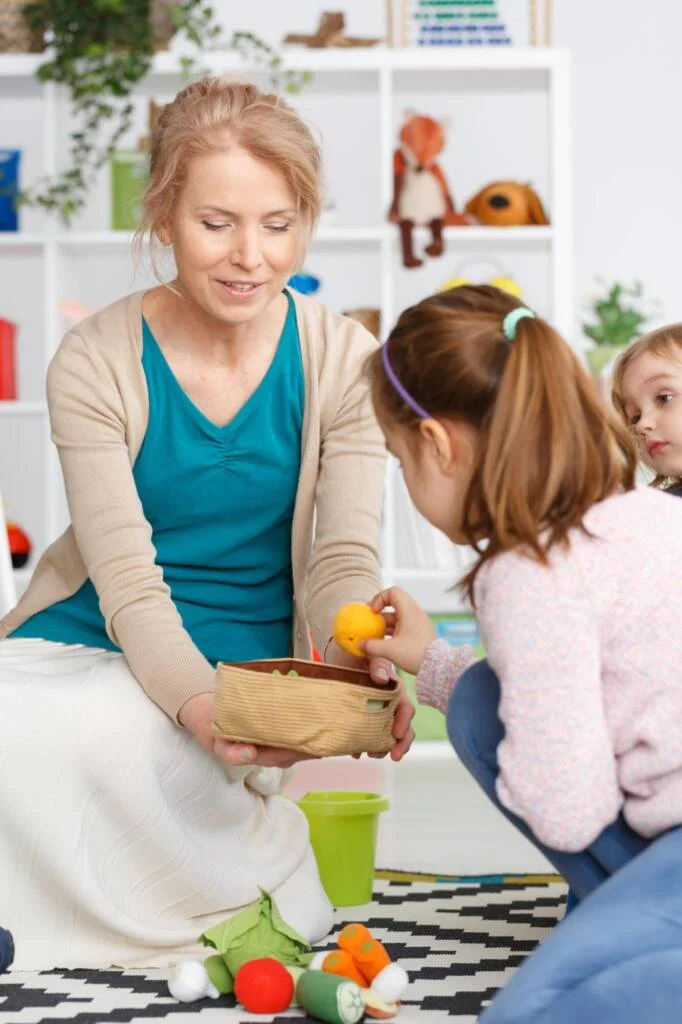
A child does not need a classroom to start learning. It often begins on the floor, with small hands reaching for a toy. A simple game can turn into a lesson about balance, color, sound, or even feelings. Play may look like fun on the outside, but inside, the brain is working in quiet and powerful ways.
Toys are not just objects. They are tools that help children explore the world. Through play, kids test ideas, make choices, and learn from mistakes. This is where growth begins.
If you want to understand how the science of play shapes a child’s future, keep reading. There is more happening in those playful moments than you might think.
The Brain on Play
When children play, their brains light up with activity. Every movement and decision builds new pathways. These pathways help with thinking, memory, and problem-solving.
Simple toys can do a lot. A puzzle teaches a child how pieces fit together. Blocks show how balance works. Even a ball can teach timing and control.
The brain grows best when it is active. Play gives children a safe space to try, fail, and try again. This cycle strengthens the mind over time.
Learning Through Hands-On Experience
Children learn best by doing. When they touch, move, and build, they understand things in a deeper way.
Hands-on toys help develop fine motor skills. These are the small movements of the hands and fingers. Activities like stacking or drawing improve control and coordination.
This kind of learning is different from watching or listening. It is active, not passive. It allows children to discover answers on their own. Over time, this builds confidence. A child who can solve small problems through play becomes more ready to face bigger ones.
The Role of Imagination
Imagination is a key part of child development. Toys that allow open-ended play help children create their own stories.
A simple doll or action figure can become part of a whole world. A cardboard box can turn into a spaceship or a house. These moments build creativity.
Imaginative play also helps with language. Children talk, describe, and act out scenes. This improves how they express ideas and emotions. Creativity is not just for art. It helps with problem-solving and thinking in new ways. Play gives children the space to grow this skill.
Social Skills Through Shared Play
Play is often a shared experience. When children play together, they learn how to interact with others. They learn to take turns, share, and listen. They also learn how to handle conflict. These are important life skills.
Group play teaches empathy. Children begin to understand how others feel. They learn that actions have effects on people around them. Toys that encourage group activity help build these skills. Board games, role-play sets, and team activities all support social growth.
Emotional Growth and Expression
Children do not always have the words to express how they feel. Play gives them another way to show emotions. Through toys, children can act out situations. They can show fear, joy, anger, or excitement in a safe space.
This helps them understand their own feelings. It also helps adults see what a child may be going through. Emotional growth is just as important as learning facts. Toys that support expression can have a strong impact on a child’s well-being.
Problem-Solving and Critical Thinking
Many toys challenge children to think. They must figure out how something works or how to reach a goal. Building toys are a good example. A child must plan, test, and adjust. This builds critical thinking skills. Even simple games can teach strategy. Children learn to make choices and see results. Over time, they get better at thinking ahead.
The Impact of Technology in Toys
Modern toys often include technology. Some have lights, sounds, or interactive features. These can make play more engaging. Digital toys can teach numbers, letters, and even coding basics. They can respond to a child’s actions and give feedback. However, balance is important. Too much screen-based play can limit imagination. It can also reduce physical activity.
Choosing the Right Toys for Each Stage
Children grow fast, and their needs change over time. A toy that works for one age may not suit another. For younger children, simple toys are best. They should be safe and easy to use. Bright colors and soft textures help with early learning.
As children grow, they need more challenge. Toys that require thinking and creativity become more useful. Well-known brands like Mattel have created toys that adapt to different stages, offering options that support both fun and development.
The Power of Unstructured Play
Not all play needs rules. In fact, unstructured play can be very powerful. When children are free to explore, they make their own choices. This builds independence and confidence. They learn to manage their time and create their own goals. This kind of play also reduces stress.
The Role of Parents and Caregivers
Adults play an important role in a child’s playtime. They do not need to control it, but they can guide it. Joining in play can strengthen bonds. It shows children that their ideas matter. Parents can also choose toys that support growth. They can create a space where play is safe and encouraged.
Play as a Foundation for Life
The skills learned through play do not stay in childhood. They carry into adult life. Problem-solving, creativity, and social skills all begin in play. These are the same skills needed for success later on. When children play, they are building more than memories. They are building a foundation.
Let the Science of Play Lead the Way Forward
The science of play is simple, but its impact is deep. It shapes how children think, feel, and connect with others. Each toy, each game, and each moment of fun adds something to their development.
When we give children the chance to play, we give them the chance to grow in a natural and joyful way. We allow them to explore who they are and what they can become.
So let them play. Let them imagine, build, and discover. Because in those small moments of joy, they are learning lessons that will stay with them for life.
For more on this content, visit the rest of our blog!