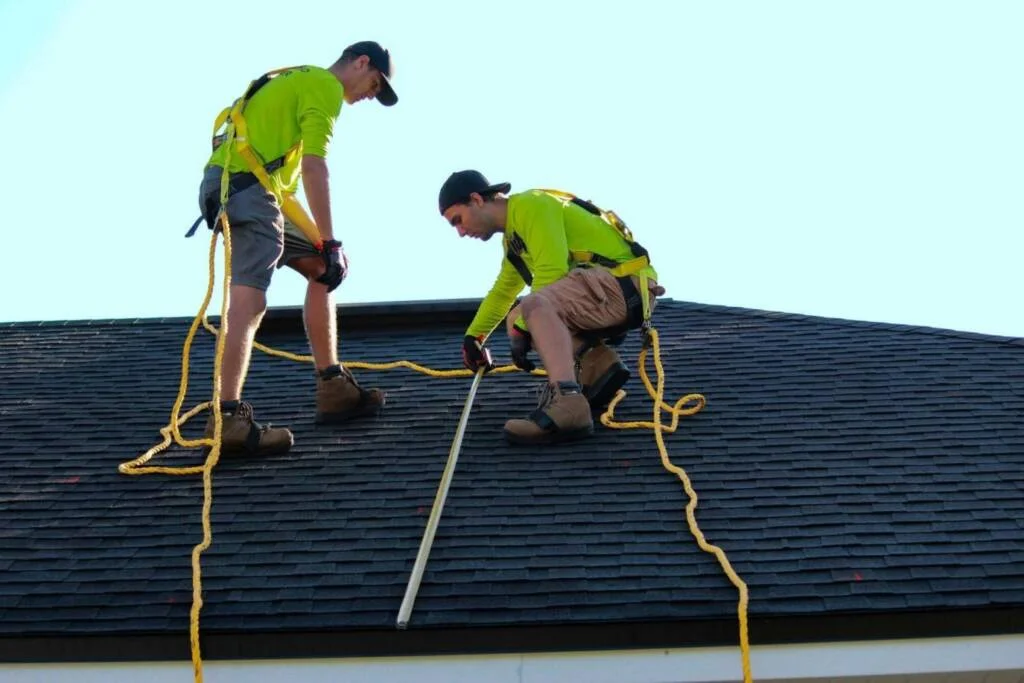
A strong roof protects a home from daily wear and harsh weather. Small issues can turn into expensive damage if ignored for too long. A proper roof inspection helps catch problems early before they spread. It also helps extend the life of roofing materials and keeps the structure safe.
Regular checks give clear insight into the condition of every part of the roof. Property owners can plan repairs with better timing and control costs.
The sections below explain how a roof inspection works and why it matters for long term protection.
Understanding the Purpose of Roof Inspections
A roof inspection checks the full condition of the roofing system. It looks at visible and hidden problem areas. The goal is to find damage early. This includes cracks, leaks, and worn materials. It also checks if past repairs are holding up. Inspections help prevent sudden failures.
They support better maintenance planning. They reduce long term repair costs. They improve overall safety. Regular inspections keep the roof reliable. Clear inspections also help property owners make informed decisions. They provide a better view of repair priorities. This leads to more controlled and timely maintenance.
Identifying Early Signs of Damage
Small signs often appear before major damage happens. These include loose shingles and small leaks. Stains on ceilings can also point to issues. Inspectors look for these early warnings.
Loose or Missing Shingles
Loose shingles are easy to miss from the ground. Strong winds can lift them over time. Missing pieces leave the roof exposed. This allows water to enter quickly. Inspectors check for uneven areas on the surface.
They also look for shingles that are curling. Early replacement prevents further damage. It keeps the roof sealed. This simple fix can avoid bigger repairs. Regular checks help spot these problems fast.
Water Stains and Interior Marks
Water stains often appear on ceilings or walls. These marks can signal a roof leak. Inspectors trace the source of the moisture. Hidden leaks can spread if ignored. Early action prevents mold growth.
It also protects interior materials. Stains should never be ignored. They often point to ongoing issues. Quick repairs limit damage. This helps maintain a safe indoor space.
Granule Loss and Surface Wear
Roof materials can lose granules over time. This is common with aging shingles. Inspectors check gutters for granule buildup. Bare spots on shingles reduce protection. This makes the roof more vulnerable.
Sun exposure speeds up this wear. Early detection helps plan repairs. It prevents deeper damage to the layers below. Regular monitoring keeps the surface strong. This supports long term durability.
Minor Leaks and Drips
Small leaks can start without notice. They often show during heavy rain. Inspectors check attic spaces for signs of moisture. Even minor drips can cause damage over time. Water can weaken wood and insulation.
Early repair is simple and effective. Ignoring leaks leads to bigger problems. Regular inspections help catch them early. This keeps the structure safe. It also reduces repair costs.
Checking Shingles and Surface Materials
Shingles take the most exposure from weather. They can crack, curl, or go missing. Inspectors check for uneven surfaces. They look for signs of aging materials. Damaged shingles allow water to enter.
This leads to deeper problems over time. Surface checks help maintain strong coverage. Replacing damaged parts early is key. This keeps the roof sealed. It also improves durability.
Examining Flashing and Seals
Flashing protects joints and edges from leaks. It is found around vents, chimneys, and valleys. Inspectors check if it is loose or damaged. Worn seals can allow water entry. This can cause hidden damage inside the roof.
Proper sealing keeps water out. It also supports overall structure strength. Repairs here are often simple if caught early. Ignoring them leads to costly fixes. Regular checks keep seals intact.
Inspecting Gutters and Drainage Systems
Gutters move water away from the roof. Blocked gutters cause water buildup. This can damage edges and walls. Inspectors check for debris and clogs. They also check for sagging sections.
Proper drainage protects the foundation. It reduces moisture problems. Clean gutters support roof health. Maintenance here is simple but important. It prevents long term damage.
Evaluating Roof Ventilation
Ventilation controls heat and moisture levels. Poor airflow causes trapped heat. This can damage roofing materials. It also leads to mold growth.
Checking Airflow Balance
Balanced airflow is important for roof health. Inspectors check both intake and exhaust vents. Air should move freely through the system. Blocked airflow creates pressure and heat buildup. This can shorten the life of roofing materials.
Proper balance keeps temperatures stable. It also prevents moisture from staying trapped. Regular checks help maintain airflow efficiency. Small adjustments can improve performance. Good airflow supports long term durability.
Inspecting Vent Openings
Vent openings must stay clear at all times. Debris and dust can block these areas. Inspectors check for any obstructions. Blocked vents reduce air movement. This leads to heat buildup in the attic. Moisture can also collect over time.
Cleaning vents helps restore proper function. It is a simple but important task. Regular inspection prevents blockages. Clear vents keep the system working well.
Identifying Signs of Poor Ventilation
Poor ventilation shows clear warning signs. These include high attic temperatures and damp air. Inspectors also look for mold or mildew. Warped materials can also signal trapped heat. Ice buildup in colder climates is another sign.
These issues point to airflow problems. Early detection helps prevent further damage. Fixing ventilation improves roof performance. It also protects the interior space. Regular checks reduce long term risks.
Assessing Vent Placement and Design
Vent placement affects how well air moves. Inspectors review the layout of the system. Poor design can limit airflow. Vents should be evenly spaced across the roof. This allows consistent air movement.
Correct placement improves efficiency. It also prevents hot spots. Adjustments may be needed in some cases. Proper design supports overall roof health. This step ensures long term effectiveness.
Looking for Water Damage and Leaks
Water damage is one of the biggest risks. Inspectors look for damp areas and stains. They check attic spaces for signs of leaks. Hidden moisture can weaken structures.
Early detection is important. It prevents mold and rot. Fixing leaks quickly limits damage. It also protects insulation. Regular checks reduce risk. They keep the home safe.
Assessing Structural Integrity
The roof must support weight and resist stress. Inspectors check beams and supports. They look for signs of sagging. Weak structures can fail over time. Early repairs prevent collapse risks. Strong support keeps the roof stable. It also protects the interior.
Regular checks maintain safety. Structural health is critical. It ensures long term performance. Inspectors also look for cracks in load bearing areas. Moisture damage can weaken structural components. Timely reinforcement helps prevent major structural issues.
Detecting Mold and Mildew Growth
Moist areas can lead to mold growth. Inspectors look for dark spots and odors. Mold can damage materials and affect health. Early removal is important. It stops further spread.
Proper ventilation helps prevent it. Regular inspections reduce risk. Clean surfaces last longer. Mold control protects the home. It keeps the environment safe.
Reviewing Roof Edges and Corners
Edges are more exposed to wind and water. They often show early signs of wear. Inspectors check for loose materials. They look for gaps and cracks. Damaged edges allow water entry. This can spread quickly.
Reinforcing edges improves durability. Regular checks keep them secure. This step prevents further issues. It protects the full roof system.
Checking Skylights and Openings
Openings like skylights need proper sealing. Inspectors check for leaks around frames. Cracks can form over time. These allow water to enter. Proper sealing prevents damage.
Clear glass also improves light entry. Regular checks keep them functional. Repairs here are often simple. Ignoring them leads to bigger issues. Maintenance keeps them reliable.
Monitoring Weather Impact on Roofing
Weather causes gradual wear on roofs. Sun exposure weakens materials. Rain and wind add stress. Inspectors look for weather related damage. Seasonal checks are helpful.
They track changes over time. Early action prevents major problems. Weather impact is constant. Regular inspections reduce risk. They help maintain strength.
Evaluating Previous Repairs
Past repairs need to be checked often. Inspectors review patched areas. They look for signs of failure. Poor repairs can cause new problems. Fixing them early is important. This ensures long term stability.
Proper repair work extends roof life. Regular checks confirm effectiveness. They prevent repeated issues. This supports consistent performance.
Inspecting Roof Underlayment
Underlayment adds an extra layer of protection. It sits beneath surface materials. Inspectors check if it is intact. Damage here can go unnoticed. It can lead to leaks inside. Strong underlayment supports durability.
It improves water resistance. Regular checks keep it in good shape. This layer is important for protection. It adds long term value.
Assessing Insulation Condition
Insulation helps control temperature. It also prevents moisture buildup. Inspectors check for damage or gaps. Poor insulation affects energy use. It can lead to higher costs.
Proper insulation supports comfort. It also protects the roof structure. Regular checks improve efficiency. This keeps systems balanced. It supports long term savings.
Reviewing Roof Valleys
Valleys direct water flow across the roof. They handle large amounts of water. Inspectors check for wear and blockages. Damaged valleys can leak easily. Proper sealing is important here.
Regular checks prevent buildup. Clean valleys improve drainage. This reduces water pressure on the roof. Maintenance keeps them strong. It prevents future issues.
Checking Chimney Connections
Chimneys connect through the roof. These areas need strong sealing. Inspectors check flashing and joints. Cracks can allow water entry. Proper sealing prevents leaks.
Regular checks keep connections secure. Repairs here are often needed over time. Ignoring them leads to damage. This area needs close attention. It supports overall protection.
Monitoring Roof Aging
All roofs age over time. Materials lose strength gradually. Inspectors assess overall condition. They look for signs of wear. Aging roofs need more care. Regular inspections track decline. This helps plan replacements.
It avoids sudden failure. Knowing the condition is useful. It supports better decisions. Older roofs may show more frequent issues. Surface materials can become brittle with age. Timely upgrades help maintain protection.
Planning Preventive Maintenance
Maintenance keeps the roof in good shape. Inspectors provide clear recommendations. Small fixes prevent major damage. Routine care extends lifespan.
It also saves money. Planning ahead is important. Regular checks guide maintenance steps. This reduces unexpected repairs. It keeps the system strong. Preventive care is always worth it.
Working With Professional Inspectors
Professional inspectors have proper tools and skills. They know where to look for hidden issues. Hiring a trusted roof inspection company ensures accurate results. They provide clear reports and advice.
This helps with better decision making. Professionals follow safety standards. They reduce risk during inspections. Their experience adds value. Regular professional checks improve reliability. This keeps the roof in top condition.
Documenting Inspection Results
Inspection records help track changes over time. They show past and current conditions. This helps identify patterns of damage. Clear reports support maintenance planning. They also help with insurance claims.
Keeping records is useful for long term care. It provides proof of regular checks. This builds confidence in the roof condition. Organized records make future inspections easier. They support better management.
Improving Long Term Roof Performance
Regular inspections improve overall performance. They keep every part in good condition. Early fixes reduce stress on materials. This extends the roof lifespan. Consistent care prevents major issues.
It also improves safety and comfort. A well maintained roof performs better in all conditions. Inspections support smart maintenance. They help avoid large expenses. Long term care brings lasting benefits.
Implement Detailed Roof Inspections to Prevent Costly Future Damage
Detailed inspections help prevent serious roof damage over time. They allow early action before issues grow. Regular checks support safety and cost control. Each part of the roof needs proper attention. Small repairs make a big difference in the long run.
A clear inspection routine keeps the system reliable. Property owners gain peace of mind with proper care. Consistent effort protects both structure and value. A strong roof starts with regular inspection.
Should you wish to discover other topics, visit our blog. We’ve got more!