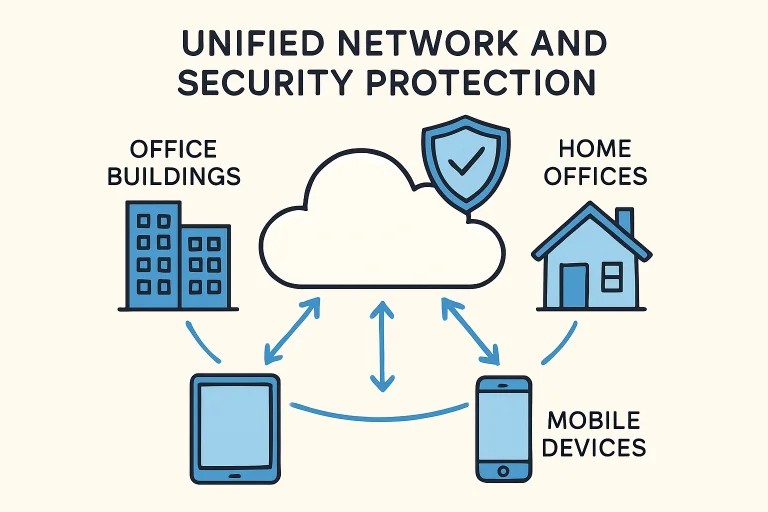
As organizations across industries embrace digital transformation, the need for flexible, secure, and agile connectivity solutions grows more acute. Secure Access Service Edge (SASE) is emerging as a comprehensive solution for businesses seeking to adapt to new work models and technology trends while safeguarding vital data and applications. SASE integrates network and security capabilities into a unified, cloud-based service that meets the evolving demands of hybrid and remote work. With the proliferation of mobile devices and employees working from various locations, traditional network security approaches are no longer sufficient. SASE not only addresses these challenges but also enhances the scalability and performance of enterprise connectivity. For organizations evaluating new network architecture models, SASE stands out by reducing complexity and making both connectivity and security easier to manage from anywhere. Its cloud-centric approach improves network agility and security posture for businesses of all sizes. SASE has gained traction rapidly as the shift to remote work and cloud-based applications makes traditional security architectures obsolete.
Understanding SASE
SASE is a framework that integrates wide-area networking (WAN) with comprehensive security services, including secure web gateways, firewall-as-a-service, and zero-trust network access. Delivered in the cloud, SASE empowers organizations to provide consistent, secure access to data and resources regardless of user location, device, or application. By combining networking and security functions into a single architecture, it eliminates the need for multiple standalone tools that can complicate management and create security gaps.
This architecture provides a centralized policy and management platform that enables IT teams to enforce security measures globally. Because services are delivered through the cloud, SASE naturally supports the scalability and flexibility that modern business operations demand. It also improves network performance by routing traffic through optimized cloud points of presence while applying security controls in real time. As organizations increasingly rely on cloud applications and remote workforces, SASE offers a streamlined approach to maintaining strong security, simplifying infrastructure, and ensuring reliable connectivity across distributed environments.
Drivers of SASE Adoption
- Hybrid Work Models: The rise in employees working remotely emphasizes the need for secure, reliable access to business-critical resources. SASE enables organizations to extend protection far beyond the corporate perimeter, securing remote workers without sacrificing network performance.
- Cloud Migration: As more businesses shift workloads and data to the cloud, relying on static, perimeter-based security exposes gaps. SASE leverages cloud-native technology to protect both users and data wherever they reside.
- Complex Threat Landscape: The sophistication and frequency of cyber threats continue to climb. SASE provides cohesive, real-time threat prevention by integrating multiple security technologies within a single platform.
Research by ZDNet finds that organizations moving to the cloud need to rethink their security approaches, and SASE is often identified as a top solution for closing the security gaps that accompany remote work and multi-cloud environments.
Benefits of SASE
- Unified Security: By bringing together firewall, secure web gateway, cloud access security broker, and zero trust network access into one platform, SASE reduces silos and streamlines threat detection and response.
- Improved Performance: SASE reduces network hops and latency by directing user traffic to the nearest point of presence in the cloud. This architecture provides fast and reliable access to applications and data, regardless of location.
- Scalability: Unlike traditional hardware-dependent models, SASE allows organizations to scale up or down instantly as user numbers or data needs change, thanks to its inherent cloud-based nature.
Modern SASE solutions also enhance visibility and analytics across the entire enterprise network, empowering organizations to monitor usage patterns, detect anomalies, and ensure compliance with regulatory mandates.
Challenges in Implementing SASE
- Integration with Existing Systems: Retrofitting SASE into legacy infrastructure can require significant effort and meticulous planning, as organizations must unify previously separate systems under a new model.
- Policy Management: Ensuring consistent security policy enforcement across cloud and on-premises environments can be complex, especially for globally distributed teams and assets.
- Skill Gaps: Enterprises may face internal knowledge and experience deficits. Identifying or upskilling staff to manage SASE solutions becomes critical to success.
Despite these challenges, many businesses are finding that SASE’s advantages outweigh the upfront investment, especially given the agility and security enhancements it provides.
Real-World Examples
A growing number of enterprises have adopted SASE to address security deficiencies and productivity challenges created by remote work. For example, a recent CSO Online survey found that over 68% of IT leaders consider SASE a central strategy for protecting distributed workforces and hybrid environments. By consolidating networking and security functions into a unified cloud-delivered platform, organizations can enforce consistent policies and maintain visibility across all users, devices, and locations.
In retail, healthcare, and financial services, organizations report reduced complexity and dramatically improved security incident response since implementing SASE. IT teams benefit from simplified management dashboards, faster threat detection, and the ability to scale security controls as business needs evolve. Additionally, SASE helps improve application performance for remote employees by optimizing traffic routes and minimizing latency. These advantages make it easier for companies to support flexible work models while maintaining strong protection against cyber threats and data breaches.
Future of SASE
Looking ahead, the evolution of SASE will likely focus on integrating artificial intelligence for dynamic threat detection and automating policy enforcement. AI-driven analytics will allow platforms to analyze massive volumes of network data in real time, identifying anomalies and suspicious behavior before they escalate into major security incidents. Automation will also help security teams reduce manual workloads by instantly applying policies based on risk levels, user identity, and device posture. The rise of edge computing and the ongoing growth in cloud-first strategies are also set to accelerate SASE’s adoption. As applications and data move closer to users at the network edge, SASE will ensure consistent protection and optimized connectivity across distributed environments. Additionally, organizations will benefit from improved visibility and unified management across multiple locations and cloud services. As businesses continue pursuing digital transformation, SASE will serve as a cornerstone for building resilient, adaptive, and secure connectivity frameworks that support long-term innovation and growth.
Conclusion
SASE is redefining how organizations secure and connect their operations in an increasingly complex digital world. By merging networking and security into a cloud-native model, SASE offers the agility, efficiency, and robust protection that modern enterprises need to thrive. As more businesses shift workloads and users beyond traditional network boundaries, SASE will remain pivotal in safeguarding data, supporting productivity, and driving long-term digital success.