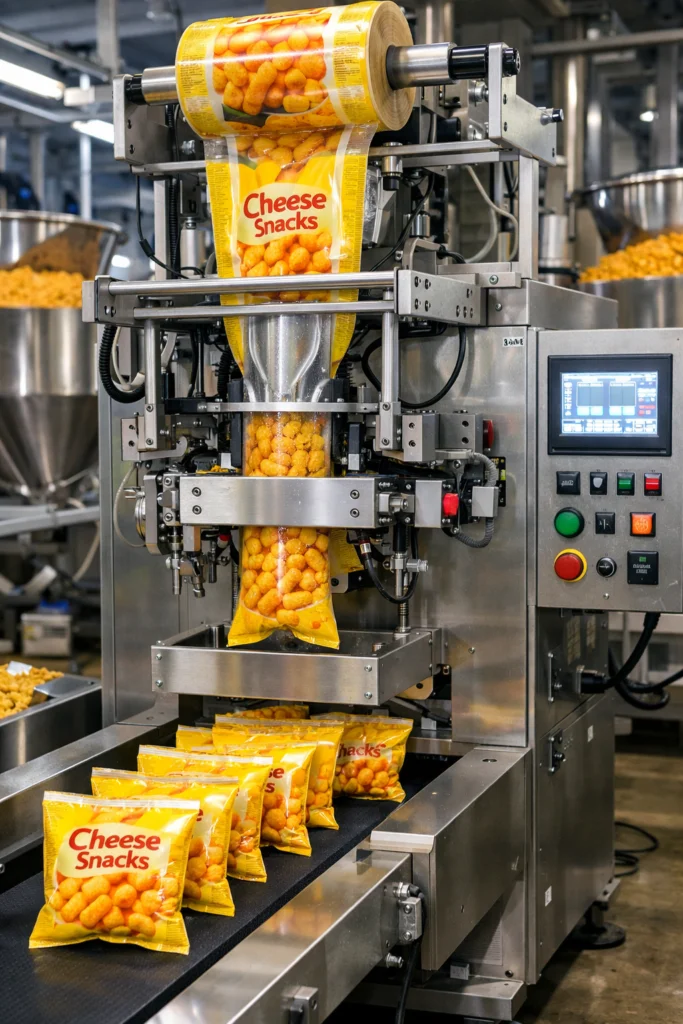
Manufacturing environments built around high output require packaging systems that keep pace with production. When products leave processing equipment, they must move immediately into packaging without slowing the line. Vertical form fill seal technology has become a common solution in such environments because it combines several packaging steps within a single machine structure. The system forms the package, fills it with product, and seals it in a continuous motion. This arrangement allows production facilities to package large volumes of goods while maintaining consistent quality.
Many packaging lines begin their design process by consulting experienced vffs machine manufacturers capable of supplying equipment matched to the characteristics of the product and the speed of the production line. Proper alignment between machine design and product handling requirements helps prevent interruptions once the line is in operation.
The Basic Operating Principle of VFFS Packaging
Vertical form fill seal equipment produces flexible packages from a continuous roll of packaging film. The film passes through the machine and forms a tube around a vertical forming collar. Once shaped, the film edges are sealed together to create the back seam of the package.
The machine then performs three operations in sequence:
- The bottom seal of the package is created.
- The product is dispensed into the open tube.
- The top seal is applied, completing the package.
After sealing, the finished package separates from the film and the process repeats. Because these actions occur within one machine cycle, packaging can proceed quickly without transferring the product between multiple machines.
Continuous Motion and High Output Rates
High-speed packaging relies on consistent machine motion rather than intermittent stops. Many VFFS machines operate using continuous motion systems that maintain film movement while sealing and filling occur.
This approach reduces delays between packaging cycles. Instead of stopping for each step, the system synchronizes sealing jaws, product dosing equipment, and film feed rollers so that all actions occur in coordinated timing.
The result is a packaging process capable of producing hundreds of packages each minute, depending on product type and package size.
Efficient Use of Packaging Film
Material efficiency plays a significant role in large-scale packaging operations. Flexible film packaging used in VFFS machines allows manufacturers to produce lightweight packages while reducing material waste.
The film roll feeds directly into the machine, eliminating the need for preformed containers. Package size can also be adjusted by changing forming tubes and adjusting film length. This flexibility allows manufacturers to produce different package sizes without replacing the entire packaging system.
Material savings accumulate quickly in facilities that produce thousands of packages each hour.
Integration with Product Dosing Systems
Packaging speed depends not only on the machine forming the package but also on how quickly product can be delivered into the package.
VFFS machines connect to several types of dosing equipment depending on product characteristics:
- Auger fillers for powders
- Multi-head weighers for snack foods and irregular solids
- Volumetric cup fillers for granules
- Liquid pumps for sauces and beverages
These systems measure product quantities before each package cycle and deliver them into the forming tube at the correct moment. When synchronized correctly, filling operations keep pace with packaging speed without causing product spillage or delays.
Flexibility Across Product Categories
One reason vertical packaging technology is widely used is its ability to handle many types of products. Industries that rely on this equipment include food processing, agriculture, chemicals, and consumer goods manufacturing.
Products commonly packaged using VFFS systems include:
- Snack foods such as chips and nuts
- Coffee, sugar, and powdered drink mixes
- Frozen vegetables and prepared foods
- Pet food and animal feed
- Detergents and cleaning granules
Each product category requires adjustments to sealing temperature, dosing systems, and film materials. Once configured, the machine can operate continuously for long production runs.
Sealing Quality and Package Integrity
High-speed packaging would have little value if package integrity were compromised. VFFS machines use controlled heat and pressure to create reliable seals in flexible packaging film.
Two sealing operations occur during the packaging cycle:
The vertical seal forms the back seam of the package, creating the tube shape. The horizontal sealing jaws then create the top and bottom seals.
Proper temperature control ensures that film layers bond securely without damaging the packaging material. Reliable sealing prevents contamination and preserves product freshness.
Synchronization with Upstream Production Lines
Packaging equipment must operate in coordination with upstream manufacturing processes. If packaging speed falls behind product output, finished goods accumulate and slow the entire line.
VFFS machines connect to upstream conveyors and feeding systems through sensor-controlled synchronization. Sensors detect product flow and adjust packaging speed accordingly.
This coordination allows packaging operations to match production speed, maintaining a steady flow from processing equipment to finished goods storage.
Automation and Monitoring Systems
Modern packaging machinery includes control systems that monitor machine performance and adjust operating parameters in real time.
Operators can track variables such as:
- Package count per minute
- Film tension levels
- Seal temperature
- Product dosing accuracy
Touchscreen interfaces allow operators to modify settings quickly when switching between products or package sizes. Automated monitoring also helps identify potential mechanical issues before they cause machine downtime.
Maintenance Considerations for High-Speed Packaging
High-output packaging systems require consistent maintenance to ensure reliable operation. Components such as sealing jaws, film rollers, and dosing systems experience constant mechanical movement.
Routine maintenance typically includes:
- Cleaning product contact surfaces
- Checking film alignment and tension
- Inspecting sealing elements
- Lubricating moving parts
Preventive maintenance helps maintain stable machine speed and reduces the risk of unexpected stoppages.
The Role of VFFS Systems in Modern Packaging Facilities
Packaging operations have become a critical link between manufacturing output and product distribution. Vertical form fill seal technology allows producers to package goods quickly while maintaining consistent package quality.
By combining package formation, filling, and sealing within a single system, VFFS machines reduce handling steps and simplify packaging line design. Their ability to operate continuously makes them suitable for facilities where production speed and packaging reliability must remain closely aligned.
As manufacturing volumes grow and supply chains demand faster throughput, vertical packaging systems continue to support efficient product handling across a wide range of industries.