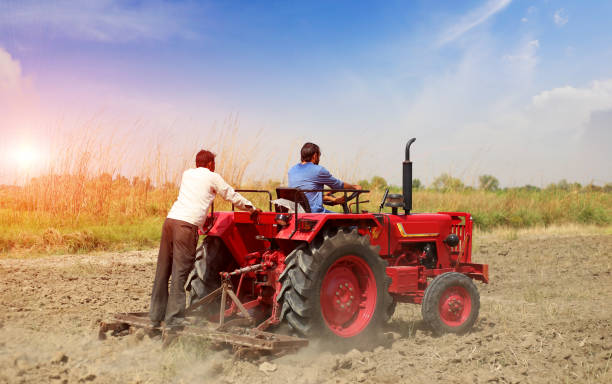
Buying a Mahindra tractor is not just about horsepower or a good deal. In India, the “right” machine is the one that matches your soil, crop cycle, field size, and the implements you actually use, so you get pull, grip, and fuel efficiency without overbuying.
Start with three on-farm questions
Before you look at brochures, be clear on what your farm demands day after day.
- What is your dominant soil type: sandy, alluvial, black cotton, red, laterite, or acidic?
- What is your main workload: tillage, puddling, haulage, spraying, inter-culture, or loader work?
- How tight are your spaces: orchard rows, bunds, terraces, or narrow village lanes?
State-wise soil & crop map with the right Mahindra fit
Different states share similar soils, so you can use this quick map even if you farm in a border district.
| Zone & soil | Where you’ll find it (examples) | Major crops | What to prioritise in your Mahindra tractor |
| Alluvial (loamy to clay loam) | Punjab, Haryana, UP, Bihar, WB plains | Wheat, paddy, sugarcane, maize | 40-55 HP for heavy tillage + haulage; strong hydraulics, good braking, higher lift capacity |
| Black cotton (deep clay, high draft when wet) | Maharashtra, MP, parts of Gujarat, Telangana | Cotton, soybean, tur, wheat | 45-60 HP; torque-rich engine, wider rear tyres, sturdy rear axle; consider 4WD for wet spells |
| Sandy & sandy loam | Rajasthan, Kutch, parts of Haryana/UP | Bajra, mustard, cumin, groundnut | 30-45 HP; lighter build for floatation, efficient haulage, good cooling for hot summers |
| Red soil (light to medium) | TN, Karnataka, AP, Odisha, Chhattisgarh | Millets, pulses, groundnut, paddy pockets | 30-50 HP; balanced weight, quick implement changes, good steering for frequent turns |
| Laterite (porous, sometimes stony) | Kerala, Goa, coastal Karnataka, Konkan | Arecanut, coconut, rubber, spices | Compact build; higher ground clearance, tight turning radius; choose a small tractor if rows are narrow |
| Acidic/high rainfall soils | Assam, NE, parts of WB & Odisha | Tea, rice, jute, horticulture | 4WD advantage in slushy fields; better sealing/electrics; tyres suited for wet traction |
| Hill & terrace soils | HP, Uttarakhand, J&K hills, NE hills | Apple, potato, maize, vegetables | Low centre of gravity, 4WD, excellent brakes; a nimble small tractor reduces risk on slopes |
How soil changes your power and drive choice
Soil decides draft load. Draft is what makes an implement “feel heavy” and it directly impacts fuel use.
- Heavy clay/black cotton: prioritise torque and traction; 4WD helps when the surface turns greasy after irrigation or rain.
- Alluvial with repeated haulage: focus on braking, transmission feel, and cooling, because trolley work runs the engine hot for longer.
- Sandy soils: avoid excessive weight; look for stable steering and tyre options that reduce sinkage, especially after a light shower.
- Stony/laterite patches: ground clearance and sturdy linkages matter more than peak power, because sharp edges stress the underbody.
Power bands that fit most Indian farms
Use this as a starting point, then refine it based on your implements and field conditions.
- 15-25 HP: ideal as a small tractor for orchards, vegetables, and spraying; easy to manoeuvre and store.
- 26-35 HP: suits inter-culture, light tillage, and short-haul trailers; a smart pick for mixed cropping on smaller holdings.
- 36-45 HP: a versatile tractor band for rotavators, seed drills, and steady haulage on village roads.
- 46-60 HP: better for heavy primary tillage, larger trolleys, and demanding PTO work during peak season.
- 60+ HP: consider only if you regularly run large implements on open fields and want faster coverage per hour.
Crop pattern: match implements first, then pick the Mahindra tractor
If you choose the implement set first, the model selection becomes simple and you avoid overspending.
- Paddy (puddling + transplanting support): 4WD or good wet-field tyres, smooth low gears, strong hydraulics for puddler/rotavator.
- Sugarcane (ridge + haulage): higher power band, stable steering, strong rear lift and drawbar work.
- Cotton/soybean/pulses (inter-culture): easy steering, quick turns, compatible cultivator/sprayer; mid-range power is usually enough.
- Orchards & plantations: a small tractor with narrow width, tight turning, and good visibility saves time and crop damage.
- Mixed farming with dairy: focus on trailer haulage, loader compatibility, and service access.
Quick state cues: what farmers often overlook
These are field-tested checks that save you regret later.
- Punjab/Haryana/Western UP: if you run heavy rotavators, check hydraulic lift capacity and heat management.
- Bihar/Eastern UP/WB: frequent wet patches mean you should shortlist models with better traction and reliable electrics.
- Maharashtra/MP: black soil needs grip; ask for tyre upsizing options and ballast guidance.
- Rajasthan: dust and heat punish filters; choose easy-to-clean air filtration and ensure service reach in your tehsil.
- South peninsular states: if your work is mostly inter-culture, don’t overbuy HP; instead invest in the right implements.
- NE & coastal belts: corrosion is real; protect wiring, and choose a dealership known for after-sales follow-up.
Choosing the right size: when a small tractor beats a bigger one
Bigger is not always better. A small tractor often delivers higher utilisation because it fits your daily jobs.
Pick a small tractor if you have:
- Orchards, vineyards, arecanut, coconut, or rubber rows
- Small holdings with frequent turning and tight bunds
- Regular spraying, weeding, and light haulage
- Terrace farming or mixed vegetable plots
Go for a higher power tractor if you have:
- 5+ acres of open field work with heavy primary tillage
- Regular long-distance trolley haulage
- Heavy PTO work (large rotavator, baler, big reaper)
Don’t skip these Mahindra buying checks
A short test drive tells you more than any brochure.
- Start in low gear with an implement hitched; feel for smooth pull, not just engine sound.
- Check the turning radius on your typical headland space.
- Assess brake bite on a slight slope with a loaded trolley.
- Ask about service intervals, part availability, and turnaround time in your district.
Final word
If you match soil grip, crop workload, and implement size first, choosing a Mahindra tractor becomes a confident decision and not a gamble. Shortlist 2-3 options in the right power band, test them on your own field, and buy from a dealer who will stand by you in peak season, even during your hectic harvest windows. That’s how you get years of reliable work and better returns from every hour your machine runs.