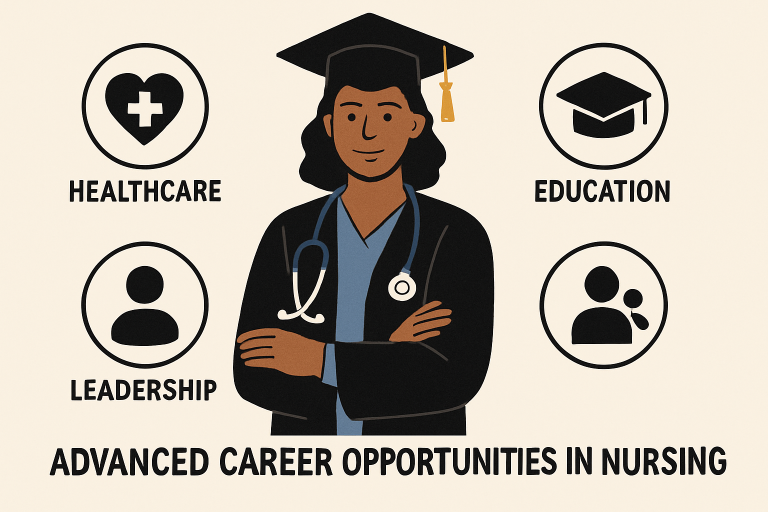
Nurses are essential in delivering high-quality, compassionate care in healthcare systems worldwide. As the industry faces new challenges, from technology advancements to increasing patient complexity, nurses equipped with advanced skills are more crucial than ever. Earning a Master of Science in Nursing (MSN) enables nurses to assume roles that require specialized expertise, such as nurse practitioner, nurse educator, or healthcare leader. The rise of MSN online programs means registered nurses can now access graduate-level education while maintaining their employment, removing barriers to advancement, and helping them realize their full professional potential.
Pursuing an MSN isn’t just about career growth—it’s a strategic move for those passionate about making meaningful improvements in patient care and healthcare delivery. These advanced degrees provide an environment where nurses can deepen their clinical understanding, refine their leadership skills, and develop expertise in specific areas, ultimately contributing to improved patient satisfaction, safety, and care outcomes. The diverse tracks within MSN programs also allow for tailored learning paths, whether your interests lie in clinical practice, education, administration, or mental health.
Today’s nurses are also seeking educational opportunities that provide the flexibility to study at their own pace. Online MSN options offer the perfect solution, allowing busy professionals to balance work, family life, and studies. These programs are not only convenient but are often designed with rigorous standards to ensure graduates are ready for advanced roles in healthcare.
Recognizing the national need for advanced nurses, leading academic providers are innovating program design to address both workforce shortages and the evolving nature of patient care. For example, many universities now offer hybrid or fully online MSNs, making the path to advanced nursing roles more accessible than ever.
Why Pursue an MSN?
Advancing your education through an MSN expands the scope of your practice, prepares you for leadership opportunities, and equips you to respond to the growing complexities of patient care. With this degree, nurses may transition into roles such as nurse practitioner, clinical nurse leader, or nurse educator—positions with greater autonomy and impact, both within direct care environments and at the organizational level.
Furthermore, MSN holders are often regarded as champions of evidence-based practice and innovation, shaping policy and driving initiatives that improve healthcare quality. These credentials carry weight with employers, signaling deep commitment to the profession and readiness for greater responsibility.
Specialized Tracks in MSN Programs
Modern MSN programs often offer specialized tracks tailored to meet the diverse aspirations of today’s nursing workforce. Each track sharpens expertise and prepares graduates for specific functions, including:
- Family Nurse Practitioner (FNP): Focuses on full-scope family care across life stages, addressing everything from preventative health to chronic disease management.
- Psychiatric-Mental Health Nurse Practitioner (PMHNP): Emphasizes holistic mental health assessment, intervention, and patient support for individuals and families.
- Nurse Educator: Trains future nurses and clinical staff, essential for sustaining a well-prepared healthcare workforce.
- Nurse Executive Leader: Cultivates administrative and organizational leadership skills necessary for effective management and system-wide change.
For instance, Northwest Missouri State University’s MSN program addresses the surging need for advanced practice and education-focused roles that directly influence care quality and patient satisfaction. These specialization paths reflect the dynamic opportunities in contemporary healthcare and the impact that highly trained nurses can have on patient lives.
Flexibility Through Online MSN Programs
The changing landscape of healthcare education has made it increasingly accessible for nurses to continue their studies through online MSN programs. These programs are designed for convenience and flexibility, featuring asynchronous coursework, virtual simulations, and part-time options, all while retaining academic rigor.
A good example is the University of Maryland School of Nursing’s online MSN in Nursing Leadership and Management. This program, recognized for its comprehensive curriculum and learner support, ranks among the nation’s top public nursing programs, according to U.S. News & World Report.
Impact on Patient Care and Healthcare Systems
Nurses with MSNs bring advanced skills and specialized training to clinical care, management, and policy-making roles. This depth of expertise leads to more robust patient assessments, better care coordination, and outcomes aligned with the latest research and best practices. By fostering interprofessional collaboration and driving evidence-based change, MSN-prepared nurses help organizations achieve greater patient safety and satisfaction—and help close critical primary care gaps.
Meeting the Demand for Advanced Practice Nurses
The healthcare industry is experiencing a considerable shortfall in primary care providers, especially in underserved and rural areas. MSN graduates are vital to meeting these gaps, often serving as family nurse practitioners, mental health specialists, and healthcare administrators. Programs such as Miami University’s MSN are designed to prepare nurses who can respond to these challenges, providing leadership and direct care in increasingly complex environments.
This focus on advanced practice and population health is emphasized in national workforce analyses and supported by institutions like the American Association of Colleges of Nursing, which highlights the urgent need for more MSN-prepared professionals.
Conclusion
Earning a Master of Science in Nursing is a transformative step for nurses ready to advance their careers and expand their impact. MSN graduates are distinguished by their contribution to clinical excellence, leadership, education, and system-wide improvement in today’s rapidly changing healthcare environment. Thanks to flexible formats and a broad array of specializations, nurses can now pursue this valuable credential in a way that fits their lifestyles and professional ambitions. Choosing to advance through an MSN not only opens new doors for your career but also directly benefits the patients and communities you serve.