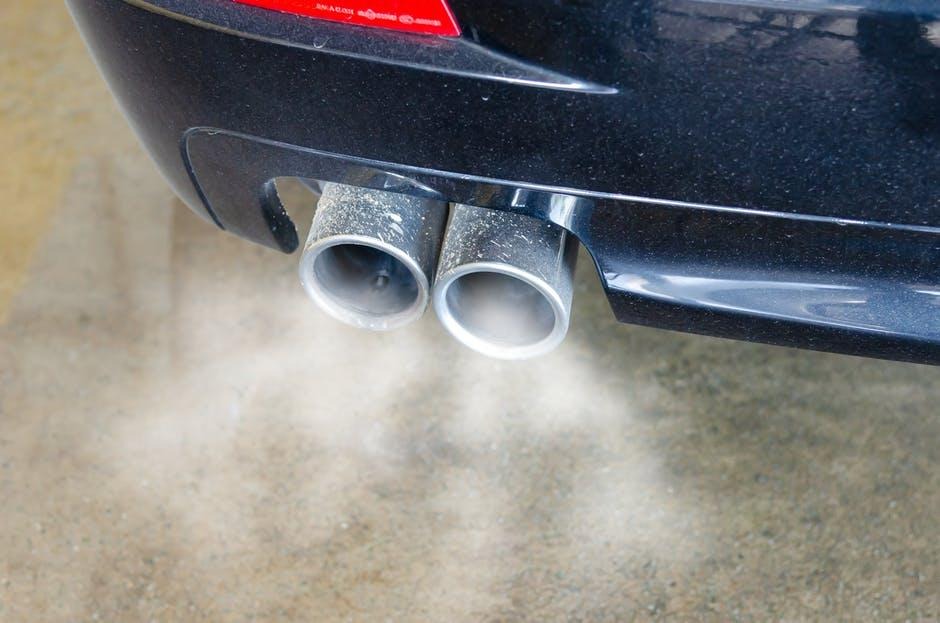
Keeping your vehicle’s emissions low is good for the environment, your health, and your wallet. Cars that run clean release fewer harmful gases into the air, which helps reduce smog and improve local air quality.
The good news is that you don’t need to be a mechanic to make a difference. With simple maintenance habits and smart driving choices, you can lower emissions and keep your vehicle running smoothly for years.
In this article, you’ll learn easy, practical tips that fit into everyday life.
Why Low Vehicle Emissions Matter
Low vehicle emissions help protect both people and the planet. When cars release fewer pollutants, the air becomes safer to breathe, especially for children and older adults. Cleaner air also means fewer environmental problems like smog buildup and acid rain.
Reducing emissions also benefits your vehicle. Engines that burn fuel cleanly often run more efficiently, which can improve fuel economy and reduce long-term repair costs. By taking care of your car, you are taking care of your surroundings at the same time.
Keep Up With Regular Oil Changes
Fresh oil plays a big role in reducing emissions. Old or dirty oil can cause your engine to work harder, which increases pollution. Clean oil allows engine parts to move smoothly and burn fuel more efficiently.
Check your owner’s manual for the recommended oil change schedule. Following it closely helps keep your engine clean and reduces harmful exhaust gases. Using the right type of oil for your vehicle is just as important as changing it on time.
Replace Air Filters on Schedule
Air filters keep dirt and debris from entering your engine. When the filter is clogged, airflow is reduced, and fuel does not burn properly. This can lead to higher emissions and lower gas mileage.
Inspect your air filter every few months. If it looks dirty, replacing it is quick and inexpensive. A clean filter helps your engine breathe better and burn fuel more cleanly, which lowers emissions.
Maintain Proper Tire Pressure
Tires that are underinflated make your engine work harder. This extra effort increases fuel use and emissions. Proper tire pressure helps your car roll smoothly and efficiently.
Check tire pressure at least once a month using a simple gauge. Inflate tires to the level recommended on the driver’s door sticker or in the manual. This small habit can noticeably reduce emissions and improve fuel efficiency.
Fix the Check Engine Light Quickly
A glowing check engine light is a sign that something is wrong. Ignoring it can lead to increased emissions and more expensive repairs later. Many emission-related issues trigger this warning.
When the light turns on, have the vehicle checked as soon as possible. Early repairs keep emissions low and prevent minor problems from becoming major ones. Even small fixes can make a big difference in how clean your car runs.
Use the Right Fuel for Your Vehicle
Using the correct fuel grade helps your engine run as designed. The wrong fuel can cause incomplete combustion, which raises emissions.
Check your owner’s manual to see what fuel is recommended. Higher-octane fuel is not always better unless your vehicle requires it. Using the proper fuel supports cleaner burning and better engine performance.
Keep Your Spark Plugs in Good Shape
Spark plugs ignite the fuel-air mixture inside the engine. Worn or dirty spark plugs cause misfires, which increase emissions and waste fuel.
Replace spark plugs according to the manufacturer’s schedule. New spark plugs help fuel burn evenly, improve starting, and lower harmful exhaust output. This simple step keeps your engine efficient and clean.
Don’t Skip Emissions Testing
Emissions tests are designed to make sure vehicles meet air quality standards. These tests help catch problems that increase pollution. Staying compliant also prevents fines or registration issues.
Scheduling a smog check Stockton ensures your vehicle meets local emission requirements and runs as cleanly as possible. Regular testing gives peace of mind and helps you spot issues before they grow into costly repairs.
Drive Smoothly and Avoid Aggressive Habits
How you drive has a direct impact on emissions. Rapid acceleration, hard braking, and speeding all increase fuel use and pollution. Smooth driving reduces engine strain.
Accelerate gradually and maintain a steady speed when possible. Using cruise control on highways can also help. Calm driving not only lowers emissions but also improves safety and fuel economy.
Reduce Unnecessary Idling
Idling wastes fuel and releases pollutants into the air. Modern vehicles do not need long warm-up periods, even in cooler weather.
If you are parked for more than a minute, turn off the engine. Reducing idle time is an easy way to cut emissions and save fuel without any cost.
Keep the Exhaust System in Good Condition
The exhaust system controls how gases exit your vehicle. Leaks or damaged parts can cause higher emissions and louder noise.
Have the exhaust system inspected during routine maintenance. Fixing leaks and replacing worn components ensures harmful gases are properly treated before leaving the vehicle.
Avoid Carrying Excess Weight
Extra weight makes your engine work harder. The harder it works, the more fuel it uses and the more emissions it produces.
Remove unnecessary items from your trunk and back seat. Keeping your vehicle lighter improves efficiency and reduces pollution. This is a simple habit that pays off over time.
Plan Trips Wisely
Short trips with a cold engine produce more emissions than longer trips. Combining errands into one trip allows your engine to reach optimal temperature.
Planning routes ahead of time also reduces unnecessary driving. Fewer miles driven means fewer emissions released into the air.
Keep Up With Scheduled Maintenance
Routine maintenance keeps all vehicle systems working together. Skipping services can cause small issues that increase emissions over time.
Follow the maintenance schedule in your owner’s manual. Regular inspections help maintain efficiency, performance, and low emission levels.
Watch for Fuel System Issues
Problems in the fuel system can lead to poor combustion and higher emissions. Signs include rough idling, poor acceleration, or reduced fuel efficiency.
Address fuel system issues early. Cleaning fuel injectors or replacing faulty parts helps fuel burn cleanly and keeps emissions under control.
Drive Cleaner With Simple Habits
Lowering vehicle emissions does not require complex tools or expensive upgrades. Simple maintenance habits, smart driving, and regular inspections go a long way in keeping your car clean and efficient.
Take action today by scheduling routine maintenance and making small changes that lead to cleaner air and smoother driving. A well-maintained car benefits everyone on the road.
Find solutions tailored to your needs-start exploring more articles today!