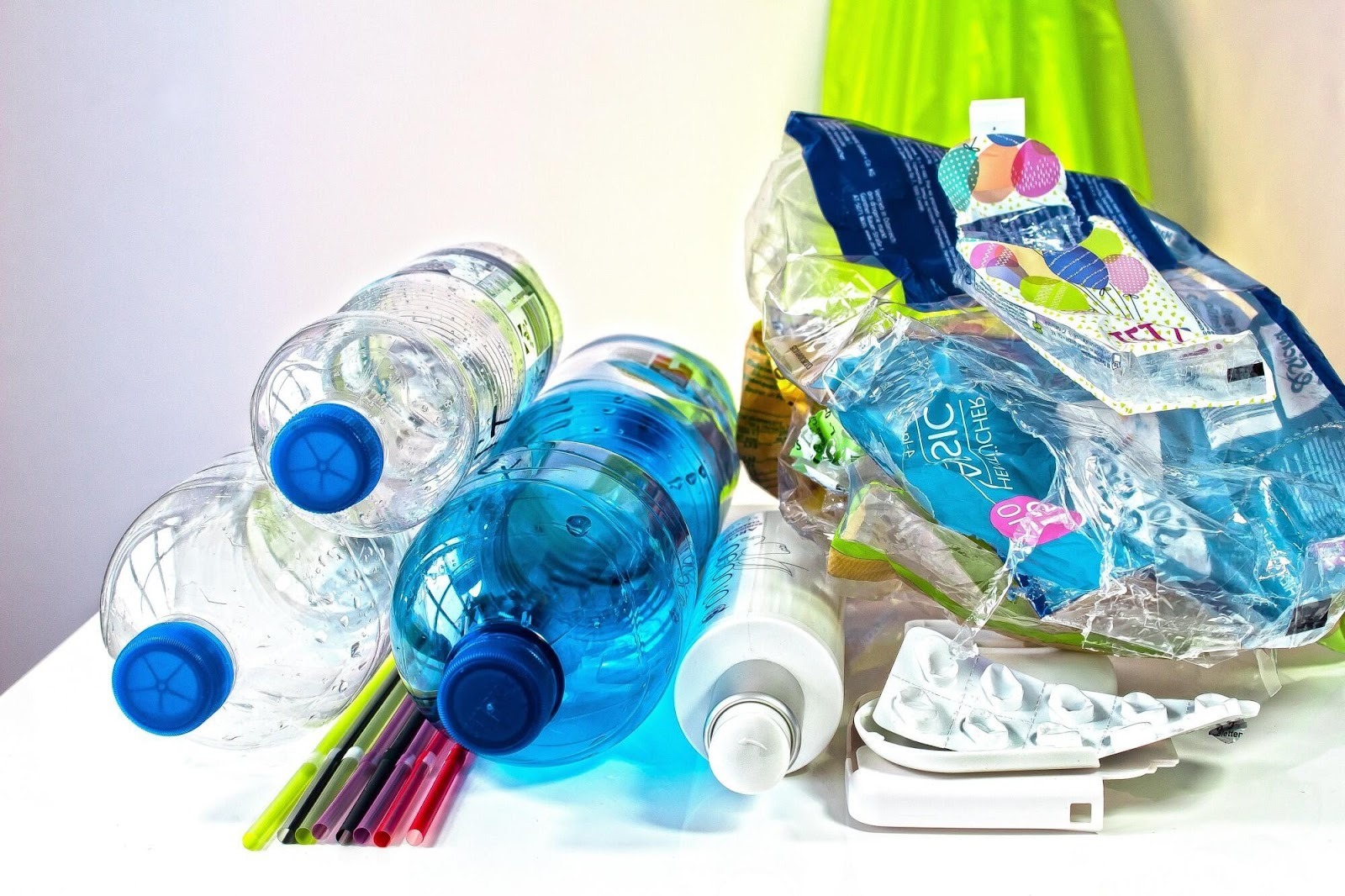
Have you ever asked yourself why some recycled plastic turns out clean and useful while other plastic gets thrown away? The answer often comes down to how well the plastic is washed during recycling.
Many people do not realize that poor cleaning can ruin plastic and waste time and money. Smart washing systems are now changing how recycling plants handle this problem. They use better control and careful cleaning methods to get stronger results.
By reading this blog post, you will understand how smart washing systems work and how they help make plastic recycling cleaner, faster, and more effective. Let’s dive in!
Understanding the Challenge of Dirty Plastic Waste
Plastic waste does not arrive at recycling plants in a clean state. It often carries food scraps, labels, glue, dirt, and even oil.
These unwanted materials make recycling harder and more costly over time. When plastic is not cleaned well, it can lower the quality of the final recycled product.
Traditional washing methods rely on fixed settings and simple machines. These machines may use the same amount of water and force for every load.
This approach can miss hidden dirt or damage the plastic. As a result, many recyclers face losses and high rejection rates.
What Makes Washing Systems Smart?
Smart washing systems use sensors, software, and controlled actions to improve cleaning. These systems can adjust water flow, heat, and movement based on the plastic type.
They respond to real conditions instead of guessing what the load needs. This makes cleaning more accurate and reliable.
These systems also collect data during the washing process. The data helps operators see what works best for different plastics.
Over time, the system learns and improves results. This smart approach leads to cleaner plastic and fewer mistakes.
Better Cleaning Accuracy with Smart Technology
One of the biggest benefits of smart washing systems is improved cleaning accuracy. Sensors can detect how dirty the plastic is before and during washing.
This allows the system to apply the right level of cleaning without causing damage. Clean plastic flakes come out more consistent and ready for reuse.
Accurate cleaning also helps remove labels and sticky residue more effectively. These materials often cause problems in later recycling steps.
When plastic is washed well, it moves smoothly through the rest of the recycling line. This saves time and effort for workers.
How Smart Systems Reduce Waste
Waste reduction is a major goal in modern recycling. Smart washing systems help by lowering the number of rejected materials.
When plastic is cleaned properly, less of it needs to be thrown away. This means more plastic gets a second life instead of going to landfills.
Water and energy waste are also reduced with smart systems. They use only what is needed for each load. This careful use helps recycling plants save resources.
It also supports cleaner operations that are better for the environment.
Improving Efficiency Across Recycling Lines
Efficiency matters a lot in recycling plants that handle large volumes of plastic. Smart washing systems speed up operations by reducing rework.
Clean plastic moves faster through sorting, melting, and reshaping stages. This helps plants meet demand without added stress.
The SEO focus applies here because smart washing systems revolutionize plastic recycling by improving cleaning accuracy, reducing waste, and boosting efficiency across recycling lines.
When all these benefits work together, recycling becomes more reliable. Beginners can better understand how technology supports better results.
The Role of Automation in Daily Operations
Automation is a key part of smart washing systems. Automated controls reduce the need for constant manual checks. This allows workers to focus on monitoring quality instead of fixing problems.
Plants can run longer hours with fewer interruptions. Automation also helps keep cleaning results steady. Human error is reduced when machines follow data-based instructions.
Over time, this leads to higher trust in recycled materials. Buyers feel more confident using recycled plastic in new products.
Adapting to Different Types of Plastic
Not all plastic is the same, and smart systems understand this difference. Some plastics are softer, while others are hard and thick.
Smart washing systems can adjust settings for each type. This prevents damage and ensures proper cleaning.
For example, a plastic recycling washing machine can adjust its washing strength when it detects lighter plastic flakes. This helps avoid breakage while still removing dirt and labels. The result is cleaner material with better value. This flexibility is very helpful for mixed plastic loads.
Saving Costs While Improving Quality
Cost control is important for recycling plants, especially smaller ones. Smart washing systems help lower costs by reducing waste and reprocessing.
When plastic is cleaned well the first time, plants spend less on fixing errors. This leads to better use of time and money.
Quality also improves alongside cost savings. Clean plastic sells at a higher value and meets industry standards more easily. This balance of quality and cost helps recycling stay profitable.
It also encourages more companies to invest in recycling efforts.
Supporting a Cleaner Environment
Smart washing systems play a role in protecting the environment. By using less water and energy, they reduce the overall footprint of recycling plants.
Cleaner plastic also means fewer harmful chemicals remain in recycled products. This supports safer use in daily items.
Better recycling helps reduce the need for new plastic production. This lowers pollution and saves natural resources. When smart systems improve recycling success, the environment benefits in many ways.
Beginners can see how small changes lead to big results.
Why Smart Washing Matters for the Future?
The demand for recycled plastic continues to grow. Industries want clean and reliable materials they can trust.
Smart washing systems help meet this demand by raising standards. They make recycling more dependable and less wasteful.
As technology improves, these systems will become even smarter. They will handle more plastic types and adapt faster to changes. This progress supports a strong recycling future.
Understanding these systems now helps beginners stay informed and ready.
A Cleaner Path Forward for Plastic Recycling
Smart washing systems show how technology can solve real recycling problems. They improve cleaning accuracy, cut waste, and boost efficiency in clear ways. These systems support better quality plastic and stronger recycling lines.
They also help protect resources and lower environmental harm. For beginners, learning about these systems builds a strong foundation of understanding. Recycling is no longer just about collection, but about smart processing.
With better washing methods, plastic recycling can grow and succeed. Did this guide help you? Browse the rest of this section for more advice on a variety of topics.