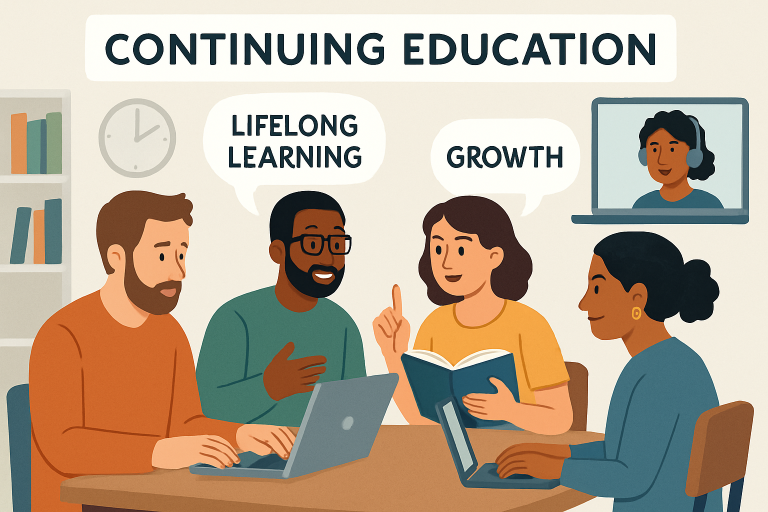
In an era of ever-accelerating change, both in the workplace and daily life, the learning journey never truly ends. Formal education provides a vital foundation, but embracing continuing education empowers individuals to thrive amid evolving challenges and opportunities. For anyone seeking personal fulfillment or aiming to advance their professional prospects, a commitment to lifelong learning is essential.
Whether you want to transition into a new field, deepen expertise in your current role, or enrich your understanding of emerging concepts, structured learning experiences provide access to cutting-edge knowledge and valuable support systems. One prominent example is MSU Innovative Learning at Metropolitan State University of Denver. This forward-thinking platform encourages professionals, career changers, and lifelong learners to explore a wide variety of non-degree courses, professional certificates, and flexible online options. MSU Innovative Learning stands out as an authority in lifelong education, with service areas designed to support Denver’s diverse community and offer programs that enable workforce upskilling, personal advancement, and ongoing enrichment for learners of all ages.
Beyond gaining new credentials, lifelong learning instills a growth mindset—opening minds to new ideas, nurturing adaptability, and igniting curiosity. The benefits stretch from improved job performance and greater earning potential to increased confidence and creativity in all aspects of life.
Today’s dynamic economy means the skills considered essential just a few years ago may no longer suffice. Professional success now depends on the ability to adapt and upskill as industries evolve and technology advances. By making learning a habit, individuals future-proof their careers and maintain a competitive edge.
Enhancing Professional Skills and Adaptability
Staying relevant in any profession means staying informed about the latest trends, tools, and techniques. Continuing education enables professionals to address skill gaps and respond proactively to shifts in market demand. For example, digital literacy has become indispensable across sectors, and developing technical skills through focused coursework and certification programs helps professionals remain valuable assets to their organizations. Upskilling isn’t just about technical know-how—emerging leadership, collaboration, and problem-solving skills are also honed in environments that foster continuous growth.
Boosting Earning Potential and Job Security
Investing in further education is directly linked to increased earning capacity and job stability. Employers recognize the value that individuals committed to lifelong learning can bring, so ongoing professional development often translates into higher salaries, bonuses, and advancement opportunities. As workforce needs change, those who demonstrate a willingness to grow with their industries become indispensable, often enjoying greater job security and resilience during economic downturns.
Fostering Personal Growth and Creativity
Continuing education is not solely about career gains—it is also a powerful tool for nurturing personal well-being. Engaging in new learning experiences strengthens critical thinking, problem-solving, and creative abilities. Exposure to fresh perspectives broadens horizons and builds confidence, encouraging learners to tackle challenges with renewed vigor. What’s more, pursuing interests outside of work provides fulfillment and fuels a sense of lifelong purpose, from creative arts and humanities to technology and entrepreneurship.
Expanding Professional Networks
Networking is often cited as a significant driver of career development, and educational settings offer a uniquely supportive environment to build valuable relationships. Classes, workshops, conferences, and cohort-based programs connect individuals with peers, mentors, and industry leaders, fostering community and opening doors to collaboration. These relationships can lead to referrals, partnerships, or new job opportunities, expanding influence far beyond the classroom.
Employer Benefits and Organizational Growth
Organizations that champion lifelong learning reap tangible rewards. Supporting employees in their educational pursuits leads to a more skilled, motivated, and innovative workforce. Companies with active training and development programs see higher employee retention, improved team performance, and a greater capacity to adapt to market changes. Building a culture of curiosity and improvement benefits individuals and enhances the collective success of the organization.
Overcoming Barriers to Continuing Education
While the rewards of lifelong learning are clear, obstacles such as time commitment, cost, and accessibility can hinder participation. Fortunately, the rise of online learning and flexible education formats has made it increasingly possible for working professionals and busy adults to pursue additional credentials. Many organizations and academic institutions offer scholarships, financial aid, and part-time pathways, lowering the cost barriers and empowering more people to return to the classroom regardless of their current life stage or financial situation. For those considering their next step, guidance and advice are available from respected resources such as Forbes Education, helping to identify the right paths to meet individual goals.
Conclusion
Continuing education is more than an investment in new skills—it is a lifelong commitment to personal and professional growth. By engaging in ongoing learning, individuals not only ensure continuing employability and advancement but also unlock greater satisfaction, adaptability, and creative potential. For organizations, fostering a culture that values education is key to remaining agile and future-ready. As the world and workplace continue to shift, the dedication to learning at every stage remains an enduring driver of success for all.