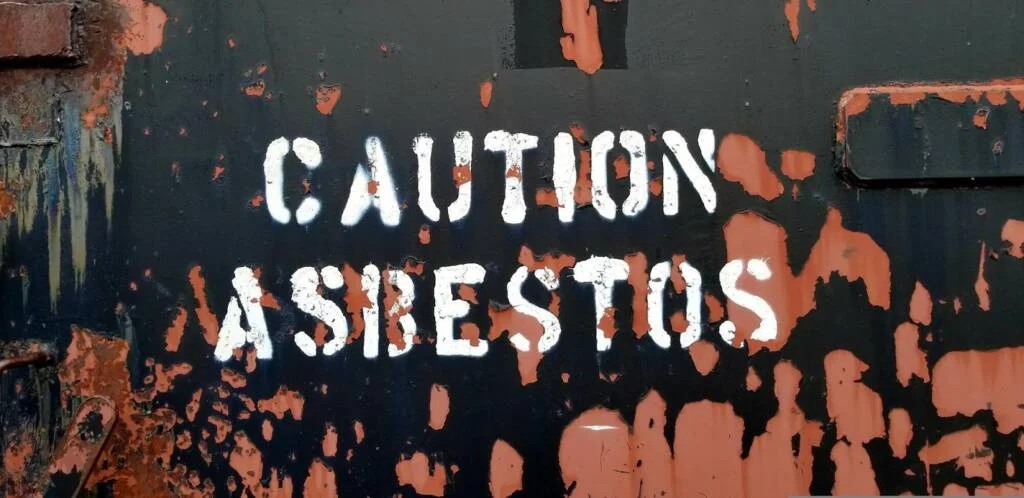
Are you worried that your home might have dangerous asbestos?
Asbestos can hide in the walls, ceilings, or floors of older houses. Knowing how to find it can keep you and your family safe.
Many people do not realize asbestos is around them every day. Read on to learn simple ways to detect asbestos before it causes harm.
Visual Inspection
Looking at your home carefully can help you spot possible asbestos. Walls, ceilings, and floors may hide old materials that contain fibers. Taking time to examine these areas is important for your safety.
Small cracks or damaged panels could be signs of hidden asbestos. Seeing unusual textures or dusty surfaces may require closer checking. You should note these areas to show a professional later.
Doing a visual inspection yourself does not remove asbestos risk entirely. It can give you clues about where problems might be. Following careful steps helps you stay cautious and prepared.
Material Sampling
Collecting small samples can help identify asbestos in materials safely. You should wear gloves and a mask to protect your lungs. Using a sealed container keeps the sample secure for testing.
Testing materials at home requires careful handling and patience. Disturbing old panels or tiles too much can release fibers into the air. Keeping the area clean while sampling reduces possible exposure.
Once the sample is collected, it can be sent to a lab. Professional labs can examine it and tell you if asbestos is present. Knowing the result helps you plan the next safe steps.
Bulk Testing
Taking larger pieces of material for testing gives more accurate results. Flooring, insulation, and ceiling panels can be carefully cut for bulk samples. Using proper tools and safety gear keeps you protected.
Bulk testing helps labs analyze the fibers in detail. They can tell the type of asbestos and how dangerous it could be. Accurate testing allows you to make smart decisions for your home.
You should always handle bulk samples gently and with care. Avoid breaking the material too much to keep fibers from spreading. Following safe practices helps prevent serious health risks.
Air Monitoring
Air monitoring can show if asbestos fibers are floating in your home. Special devices capture tiny particles for testing in a laboratory. Checking the air gives important information about possible risks around your family.
Homes with older walls, ceilings, or insulation may have hidden fibers. Air testing can find particles that are too small to see with the eye. Knowing where fibers exist helps you take action to protect everyone.
Monitoring air often works best when combined with other testing methods. It shows if more cleaning or repairs are needed to stay safe. Seeing these results gives peace of mind about your home’s safety.
Using air monitoring is a careful step to reduce asbestos exposure. You can plan safe actions based on the results. Checking the air regularly helps keep your home safe for all who live there.
Dust Sampling
Testing dust in your home can reveal hidden asbestos fibers. Dust from floors, shelves, vents, and corners may carry harmful particles. Collecting dust carefully reduces the risk of fibers spreading into the air.
Using a damp cloth or a special vacuum can help gather samples safely. You should place collected dust in sealed containers for laboratory testing. These results can show if asbestos is present in areas used daily.
Dust sampling works well in older homes where materials may degrade. It can detect fibers even when no damage is visible. Following safe methods helps you act before fibers become a bigger problem.
Laboratory Analysis
Laboratory testing gives clear results for detecting asbestos in your home. Experts look at samples under microscopes to see fibers and check for danger. Lab results help you make safe decisions for repairs or removal.
Labs can test dust, air, and materials from any area in the house. They use special tools to study fibers carefully and give clear reports. These results show whether any areas need attention to keep everyone safe.
Professional labs remove guesswork and provide trusted information about asbestos. Testing makes sure that the next steps are safe and correct. Using labs gives peace of mind when planning repairs or cleaning.
Thermal Imaging
Thermal imaging can help find hidden asbestos in walls or ceilings. Heat can show damaged panels or old insulation that holds fibers. Using this method is safer because it avoids touching the materials directly.
Older homes often have layers of walls or floors that hide asbestos. Thermal cameras can show places where asbestos might be behind these layers. Seeing these heat patterns helps you know which areas need checking carefully.
This method reduces handling materials that could release dangerous fibers into the air. It gives clear clues for where to focus attention and inspection. Using thermal imaging helps plan safe steps before any repair work.
Experts often use thermal imaging with other tests to check a home. Combining tools makes it safer and gives better results for homeowners. Careful planning keeps your home safer for family and visitors.
Professional Assessment
Hiring a professional can be the safest way to check for asbestos. Experts know how to inspect homes without spreading harmful fibers. They can also explain which areas need careful attention or testing.
Professionals can handle samples, check air quality, and analyze materials. They use tools that most homeowners do not have or know how to use. This gives accurate results and helps you plan next steps safely.
For people nearby, using the best asbestos removal Sutherland Shire can offer ensures expert handling. Professionals can remove dangerous materials safely and follow all rules. Hiring trusted experts reduces risks for your family and home.
A professional assessment saves time, stress, and possible health problems. It gives clear information to make safe choices for repairs or removal. Working with experts helps keep your home safe for everyone who lives there.
Know How to Detect Asbestos in Your Home Today
Finding asbestos in your home can feel worrying and confusing at first. Taking steps to check and handle it carefully keeps your family safe. You do not need to face it alone, as help and advice are available.
Acting early can prevent health problems and give you peace of mind. Always stay cautious and make safety your top priority.
If you enjoyed our post and information, make sure to check out the rest of our site for more informative content!