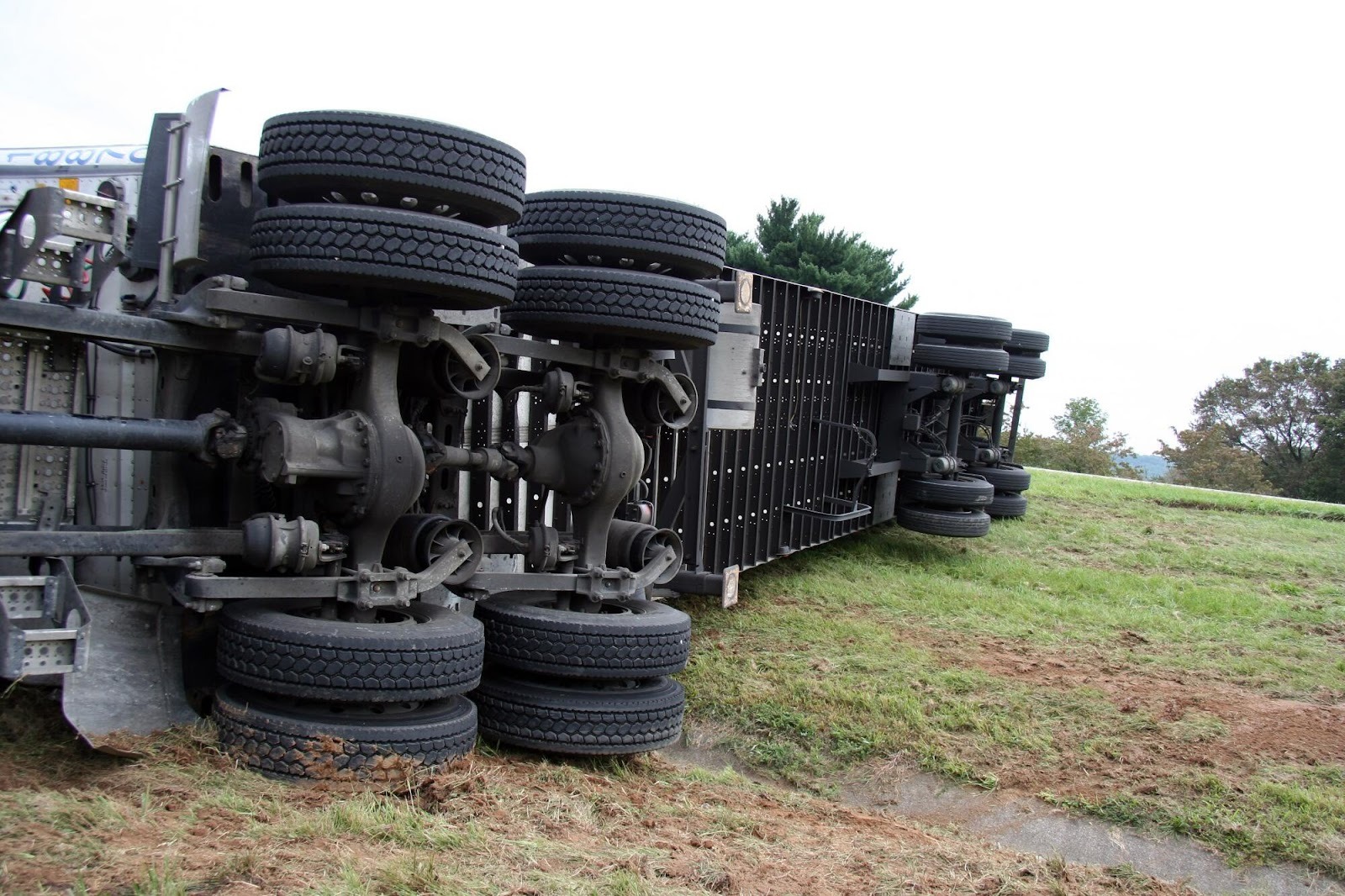
Every day, large vehicles such as trucks and buses travel our roads, helping to transport goods and people. However, when these heavy vehicles are involved in crashes, the results can be devastating.
Understanding the common causes of large vehicle crashes is crucial for safety on our highways. By being informed, we can all play a part in reducing the risks and preventing accidents in the future.
Read on to learn more.
Understanding Large Vehicle Crashes
The massive weight and size of these vehicles significantly contribute to the severity of accidents, making it crucial to determine the common factors that often lead to these devastating crashes.
For instance, consider the case of a fully loaded 18-wheeler weighing around 80,000 pounds colliding with a small passenger vehicle. The sheer force of the impact is catastrophic, resulting in severe injuries or fatalities. In such cases, the size and weight of the truck often prove to be the deciding factor in the severity of the crash.
Moreover, large vehicles have larger blind spots, which can make it difficult for drivers to detect pedestrians, bicyclists, or smaller vehicles. This increases the risk of accidents, especially in congested urban areas or at intersections. Additionally, the stopping distance required for large trucks is significantly longer than that of smaller vehicles, making it challenging for drivers to react in time to avoid accidents.
Identifying the causes of large vehicle crashes is vital to reducing the risk of these devastating incidents. By understanding the common factors contributing to these crashes, such as driver fatigue, inadequate maintenance, and reckless driving, we can work towards implementing effective safety measures to minimize the risk of accidents and save lives.
1. Driver Fatigue
One of the leading causes of large vehicle crashes is driver fatigue. Long hours on the road can wear down even the most experienced drivers, leading to mistakes or slower reaction times.
Research shows that drowsy driving is similar to driving under the influence of alcohol. To combat fatigue, trucking companies can implement stricter regulations on work hours, ensuring that drivers take adequate breaks and rest periods.
2. Distracted Driving
With the rise of smartphones, distracted driving has become increasingly prevalent. Whether it’s texting or using a GPS, distractions can divert a driver’s attention from the road.
Large vehicle drivers must be particularly cautious, as one moment of inattention can lead to a severe accident. Educating drivers on the risks of distractions and implementing stricter penalties for distracted driving can help improve safety.
3. Poor Maintenance Practices
Large vehicles require regular maintenance to ensure they are safe to drive. From brake issues to tire blowouts, mechanical failures can quickly result in a catastrophic crash. Truck companies should have clear maintenance schedules and regularly inspect their vehicles.
4. Weather Conditions
Adverse weather conditions, like heavy rain, snow, or ice, can also play a significant role in vehicle crashes. Large trucks take longer to stop, so drivers must be especially vigilant during bad weather. Companies can train drivers on how to adjust their driving strategies in these conditions, such as slowing down and keeping a greater following distance.
Strategies to Address Large Vehicle Crashes
Addressing the issues that lead to large vehicle crashes requires a multifaceted approach. Here are some strategies to consider:
Training and Education:
Companies should invest in training programs. These programs help drivers handle complex road scenarios.
They focus on hazard recognition and improving decision-making skills. This training should also emphasize the consequences of reckless driving, including fines, license suspension, and damage to personal reputation.
Regular Inspections:
Implementing a strict vehicle inspection regimen can significantly reduce the risk of accidents caused by mechanical failure. Companies should require detailed, regular inspections that cover critical components like tire pressure, brake pads, and suspension systems. By catching potential issues early, companies can avoid costly repairs, reduce downtime, and most importantly, save lives.
Encouraging a Safety Culture:
Fostering a culture that prioritizes safety can have a profound impact on driver behavior. Companies can promote a safety-first mentality by recognizing and rewarding drivers who demonstrate safe practices, such as safe driving awards or bonuses for accident-free periods. Additionally, encouraging open communication about safety concerns and near-miss incidents can create a sense of shared responsibility among drivers.
5. Inexperienced Drivers
Inexperienced drivers can significantly contribute to the problem of large vehicle crashes. Those who are new to operating heavy machinery may not have the skills to judge distances accurately or handle challenging driving situations. Therefore, ensuring that proper training programs are in place can help build a strong foundation for new drivers.
6. Load Distribution Issues
Improperly loaded cargo can also lead to accidents. If the weight of the load is unevenly distributed, it can affect handling and stability. Drivers should adhere to the guidelines for loading their vehicles and regularly check weights to ensure loads are balanced.
The Role of Technology in Enhancing Safety
Technology plays an important role in improving safety for large vehicle operators. With advancements such as lane departure warnings, collision avoidance systems, and automatic braking, many modern trucks are equipped to help prevent accidents. These tools assist drivers in making safer decisions on the road.
Staying Informed and Advocacy
The public can also influence the safety of large vehicles. Advocating for better laws and regulations regarding large vehicle safety can help decrease accident rates.
If someone is involved in a crash, it’s essential to seek legal advice. To hire a truck accident lawyer in Salt Lake City can provide essential guidance and support in navigating the legal aftermath of an accident.
Working Together for Safer Roads
As we’ve seen, large vehicle crashes can stem from various causes, including driver fatigue, distractions, poor maintenance, and even harsh weather conditions. By implementing effective strategies and utilizing technology, we can significantly reduce the risks of these tragic events.
Always stay aware and prioritize safety, whether you’re behind the wheel of a car or watching out for large vehicles on the road. Let’s work together to make our roads safer for everyone.
For more helpful tips, check out the rest of our site today.