Virtual healthcare is no longer a distant concept or a fringe service; it is rapidly transforming the global landscape of how medical care is delivered and accessed. This shift is fueled by new technologies and changing patient expectations, making healthcare more accessible, flexible, and aligned with the challenges of the modern age. Today, individuals in rural communities who once struggled to see a doctor or consult a specialist can now connect with highly trained medical professionals without leaving their homes or missing a day’s work. This has been a game-changer for busy families who juggle chronic health conditions, work commitments, and family schedules. The expansion of remote healthcare solutions provides a patient-centric model tailored to today’s diverse needs. With more patients able to book telehealth appointments online, timely care is now possible regardless of location, eliminating barriers such as travel, time off, and lengthy waitlists. By significantly reducing logistical hurdles, virtual healthcare opens up avenues that had previously been closed, thereby building a healthier and more resilient society.
These far-reaching innovations extend well beyond simple video consultations or remote chats. Leading healthcare providers now integrate cutting-edge digital records, artificial intelligence, and a host of technology-driven tools to create a seamless, holistic healthcare experience. These tools can manage not only single, acute medical episodes but also ongoing care for complex and chronic conditions over time. Patients can use mobile apps to track symptoms, communicate with their care teams, and even upload health data from remote monitoring devices such as blood pressure cuffs or heart monitors. Secure and intuitive data-sharing platforms enable both patients and providers to maintain up-to-date records, ensuring that treatments are based on the most current information. This growing digital infrastructure is not just a matter of convenience—it’s a pillar that supports more flexible, adaptable, and responsive care for a greater number of people. As society grows increasingly comfortable with these tools, the narrative around virtual healthcare is rapidly evolving from novelty to a central part of care delivery that patients expect.
Expanding Access Through Telemedicine
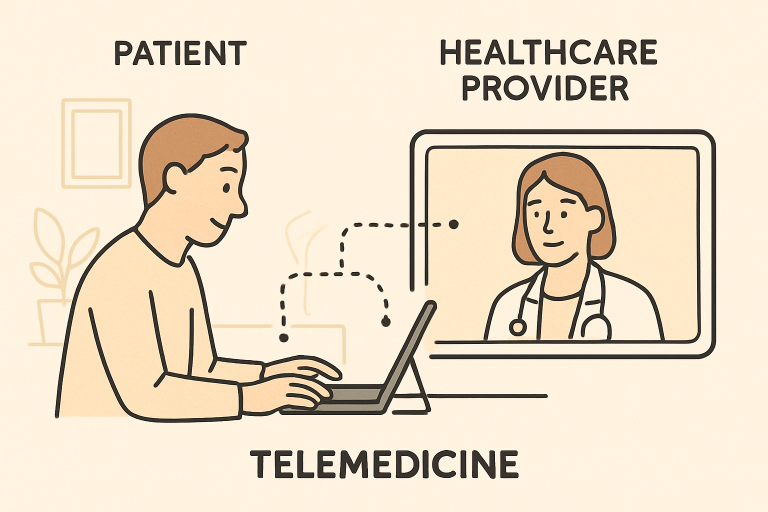
Telemedicine has become a cornerstone of modern healthcare, revolutionizing how, when, and where patients connect with clinical expertise. Rather than requiring patients to physically travel to hospitals or clinics—trips that could take hours or even days in remote regions—telemedicine brings healthcare directly to the patient’s living room, library, or classroom. This on-demand access dramatically reduces wait times for appointments and enables follow-ups that might otherwise be missed due to logistical or financial barriers. By improving access for rural populations, individuals with limited mobility, and those with inflexible work schedules, telemedicine also plays a crucial role in reducing health inequities. Importantly, this technology is not just about convenience; it is increasingly integrated into the management of chronic diseases and preventative care. Studies reveal that frequent telehealth engagement helps patients adhere to treatment plans, improves medication management, and results in fewer costly hospital readmissions. Such outcomes demonstrate the value of telemedicine—not simply as a substitute for in-person care, but as an essential service for comprehensive, continuous care that keeps patients healthier in the long term.
Technological Innovations Driving Change
Today’s virtual healthcare ecosystem is powered by an interconnected array of sophisticated technologies designed to bring together patients, providers, and health data seamlessly. Modern electronic health records (EHRs) now synchronize in real-time with remote monitoring devices and wearables, providing clinicians with instant access to comprehensive patient metrics, including vital signs, blood glucose levels, and cardiac rhythms. This connectivity allows early interventions when abnormalities are detected, supporting better outcomes and patient safety. At the same time, platforms featuring secure messaging, video visits, and AI-driven chatbots facilitate efficient two-way communication. Patients can reach their care team with questions, request prescription refills, or receive educational support without the delays and frustrations of phone tag or office visits. Healthcare systems implementing these tools are seeing more than just operational efficiencies—they’re documenting higher patient satisfaction rates, greater adherence to care plans, and increased clinician enjoyment of their work. This technological shift also reduces administrative overhead, freeing up clinicians to focus more on medical decision-making and less on paperwork, ultimately leading to a better care experience for everyone involved.
Addressing Challenges in Virtual Care
Despite exciting advancements, persistent challenges threaten to undermine the promise of virtual care. Significant gaps remain in internet access, especially in rural and low-income urban areas where reliable broadband is unavailable. Even when connectivity is robust, not every household has access to smartphones, tablets, or computers capable of supporting modern telehealth solutions. Furthermore, disparities in digital literacy—knowledge of how to use devices and digital platforms- can leave some patients at a disadvantage. Vulnerable populations, such as elderly patients, non-English speakers, and those relying on Medicaid or public health programs, are at particular risk of being excluded from virtual care innovations. Healthcare organizations, philanthropies, and policy leaders are collaborating to pilot programs that distribute internet-enabled devices to those in need, design training initiatives to enhance digital skills, and expand broadband infrastructure in underserved areas. These efforts must be sustained and expanded if virtual care is to fulfill its potential and decisively close the gaps in healthcare access nationwide. Broader public and private investment, as well as thoughtful policy development, will play key roles in ensuring that these disparities are not perpetuated by new technologies but eliminated through careful, inclusive design and delivery.
The Role of AI in Enhancing Patient Care
Artificial intelligence is now at the forefront of healthcare innovation, offering solutions that extend far beyond administrative automation. In clinical care, AI algorithms are capable of analyzing massive datasets to identify patterns, predict disease risk, and tailor interventions for individual patients. Applications include flagging abnormal test results for immediate attention, recommending personalized medication schedules, and supporting remote diagnosis with image analysis tools. In mental and behavioral health, AI-powered applications help identify symptoms of anxiety, depression, or risk of relapse by tracking trends in self-reported data and engagement with digital therapeutic programs. These technologies are especially valuable in a time of growing provider shortages and increased patient demand—enabling a smaller workforce to care for more people more effectively. By facilitating earlier interventions and supporting accurate, timely diagnoses, AI helps to optimize clinical workflows and empower both patients and providers. Over time, these improvements are expected to reduce healthcare costs while enhancing the quality and consistency of care across diverse patient populations.
Future Prospects of Virtual Healthcare
Looking ahead, virtual healthcare stands on the threshold of further transformative change, promising new ways for technology to support prevention, wellness, and acute care. The explosive growth of wearable health devices, such as smartwatches that detect heart irregularities or track sleep, is enabling individuals to engage more deeply in their own health management daily. VR-enabled rehabilitation environments and gamified therapies are making physical and cognitive therapy more engaging and accessible for patients recovering from injury or stroke. At the systems level, advanced analytics and AI-powered care coordination platforms streamline resource allocation and provide clinicians with actionable insights for prevention and early intervention. Regulatory changes at both state and federal levels continue to support telehealth expansion, particularly through updated reimbursement frameworks and relaxed rules for cross-state practice, potentially opening up access for millions more Americans. Nonetheless, realizing the full benefits of virtual care will also require proactive approaches to safeguard patient privacy, promote seamless system interoperability, and ensure continued progress toward equitable care for all segments of society. The road ahead is challenging, but with continued innovation and collaboration, virtual healthcare is poised to be an enduring cornerstone of a modern, resilient health system.
Conclusion
The ongoing evolution of virtual healthcare is fundamentally reshaping how patients interact with the health system, shifting the focus to inclusivity, accessibility, and patient empowerment. As technology continues to break down barriers, healthcare is poised to become more equitable, reliable, and responsive to the needs of today’s diverse populations. The next wave of progress depends on the dedication of medical professionals, technology companies, and policymakers working together to address persistent challenges and ensure that every patient, regardless of location, demographic background, or technological savvy, can benefit from these life-changing advancements. Ultimately, the future of healthcare is virtual, connected, and exceedingly patient-focused.