The Hidden Cost of Always Chasing the Lowest Price
We live in a world obsessed with getting a “good deal.” From discount apps to bargain bins, we’re constantly encouraged to save money wherever possible. But sometimes, what seems cheap upfront ends up costing far more in the long run. Whether it’s a low-quality product that breaks too soon or a “budget” decision that drains time and energy, the pursuit of cheap can quietly turn into waste.
Frugality and financial mindfulness are powerful habits — they help us live within our means and make intentional choices. Yet, there’s a fine line between being smart with money and being shortsighted. Recognizing that difference can transform not only your finances but also your peace of mind. Even when facing debt or financial pressure, resources like National Debt Relief can help people find realistic solutions without resorting to quick fixes that end up costing more over time.
When Saving Becomes a False Economy
A “false economy” happens when you choose the cheaper option only to spend more in the end. It might be a bargain pair of shoes that falls apart after two months, or a budget phone that constantly needs repairs. The initial savings feel good, but the ongoing replacements, frustrations, and hidden costs add up quickly.
This pattern doesn’t just apply to shopping. It can also appear in lifestyle choices — skipping preventive healthcare to avoid co-pays, putting off car maintenance, or taking on high-interest debt to “solve” immediate problems. These decisions save a few dollars today but create far bigger bills tomorrow.
According to the U.S. Department of Energy, energy-efficient appliances may cost more upfront but significantly reduce electricity costs and waste over time. The same logic applies to nearly every area of life: investing in quality often saves money, effort, and stress in the long run.
The Psychology Behind Cheap Choices
At its core, the temptation to buy cheap often comes from an emotional place. We equate spending less with being responsible or “winning” at money management. The thrill of finding a deal can even trigger a small dopamine rush, reinforcing the habit. But this short-term satisfaction can cloud long-term judgment.
There’s also the influence of scarcity thinking — the fear that there won’t be enough money, time, or opportunity later. This mindset drives people to make decisions based on immediate affordability instead of overall value. True financial wellness, however, requires a shift from scarcity to strategy. Instead of asking, “What’s the cheapest option?” try asking, “What’s the smartest use of my money?”
Quality Over Quantity: The Long-Term Advantage
When you prioritize quality, you’re investing in longevity and reliability. This doesn’t mean always buying the most expensive option — it means evaluating the balance between price, durability, and purpose. A well-made winter coat that lasts five years is cheaper per wear than a fast-fashion jacket that needs replacing every season.
In finance, the same principle applies. Choosing a reliable financial plan or taking time to research debt repayment options can be more effective than jumping at short-term “quick relief” offers that seem appealing but carry hidden costs. Quality financial decisions, like quality products, support stability and reduce waste over time.
A useful concept from behavioral economics known as the “penny-wise, pound-foolish” effect describes how people focus on small savings while ignoring bigger financial consequences. Recognizing this pattern can help you make smarter, more sustainable decisions — whether you’re managing your budget, career, or daily habits.
Cheap Choices and Environmental Waste
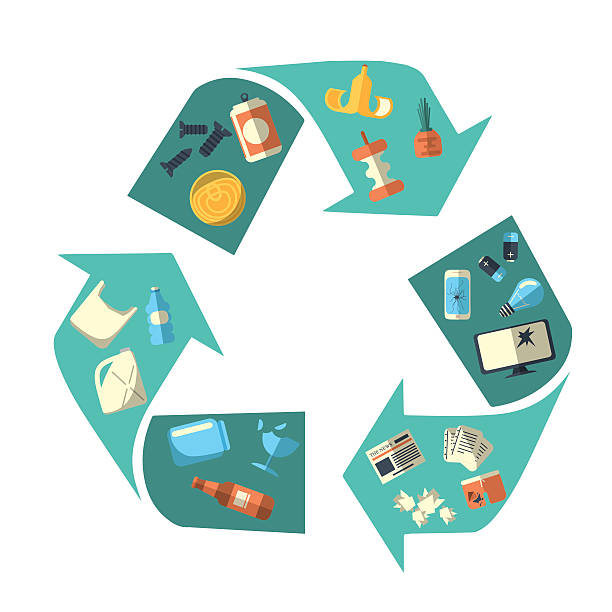
Beyond personal finance, cheap buying habits have a broader impact on the planet. Low-cost items often come with hidden environmental costs — fast fashion, single-use plastics, and poorly made electronics all contribute to waste and pollution. Every time a cheaply made item breaks or gets tossed away, it adds to the cycle of consumption and disposal.
Buying fewer, better-quality products not only saves money in the long term but also supports sustainability. According to the Environmental Protection Agency, choosing durable goods and reusing materials are among the most effective ways to reduce waste and environmental strain. When we shift from “cheap” to “conscious,” we align our spending with both personal and planetary well-being.
Recognizing the True Value of Time and Energy
Sometimes the hidden cost of cheap choices isn’t financial at all — it’s time and stress. Constantly replacing broken items, dealing with unreliable services, or fixing mistakes drains mental energy. That energy could be used for meaningful work, rest, or experiences that truly enrich your life.
When you start valuing your time as much as your money, you naturally become more selective. You begin to see that “cheap” isn’t always convenient — it can be exhausting. Paying a little more for reliability, comfort, or peace of mind often yields returns that go far beyond dollars and cents.
Finding the Balance Between Frugality and Waste
Being smart with money doesn’t mean spending freely, but it also doesn’t mean buying the cheapest option every time. The goal is balance — knowing when to invest, when to save, and when to walk away.
Here are a few guiding principles to help you find that balance:
- Think in terms of total value, not just price. Consider the lifespan, quality, and emotional benefit of each purchase.
- Track patterns of regret. Notice which “deals” end up feeling like disappointments. They often reveal where your false economies lie.
- Invest in essentials that impact your well-being. Spend wisely on items and services that directly affect your comfort, safety, and health.
- Prioritize durability over novelty. Trendy or disposable purchases often lose value faster than timeless, functional ones.
- Be intentional, not impulsive. Pause before purchases and ask if the choice aligns with your long-term goals or just short-term emotions.
The Smart Kind of Saving
Frugality is about making choices that serve your future, not just your present. It’s about distinguishing between being careful and being shortsighted. The smartest form of saving happens when your spending supports stability, efficiency, and peace of mind — not when it forces you into endless cycles of replacement or regret.
So the next time you reach for the cheapest option, pause and ask: Will this truly save me money, or will it cost me more in the long run? Real financial wisdom is less about finding the lowest price and more about finding the highest value. When you spend with intention and awareness, you don’t just save money — you save yourself from waste, frustration, and stress.