Mold prevention requires a proactive approach that combines new technology with effective daily practices. Many homeowners overlook how quickly mold can set in when the right conditions converge—usually moisture, warmth, and organic material. The health risks of unchecked mold range from mild allergies to serious respiratory problems, emphasizing the importance of maintaining a clean and dry indoor environment. Exploring solutions like mold exposure treatment is essential if you suspect contamination, but prevention is always the best defense.
Taking steps to both reduce moisture and disrupt mold’s ability to take hold can make a dramatic difference in the long-term safety and comfort of your home. These proven strategies not only help inhibit growth but may also reduce the need for expensive remediation down the road. Making simple changes today can yield significant benefits in air quality and home value tomorrow.
Mold is often most persistent in areas where air circulation is limited, such as closets, basements, and bathrooms. Even small leaks or regular condensation from showers can become persistent sources that feed a hidden infestation. Additionally, homes in humid regions or with aging infrastructure, like leaky pipes or old windows, are particularly at risk. Addressing these issues with targeted solutions can greatly increase your indoor air quality.
Beyond daily cleaning, incorporating long-term strategies that involve building materials, technology, and smart design can create a robust anti-mold system in your home. These solutions remain effective year-round and adapt well to routine home maintenance schedules.
Innovative Storage Solutions to Enhance Airflow
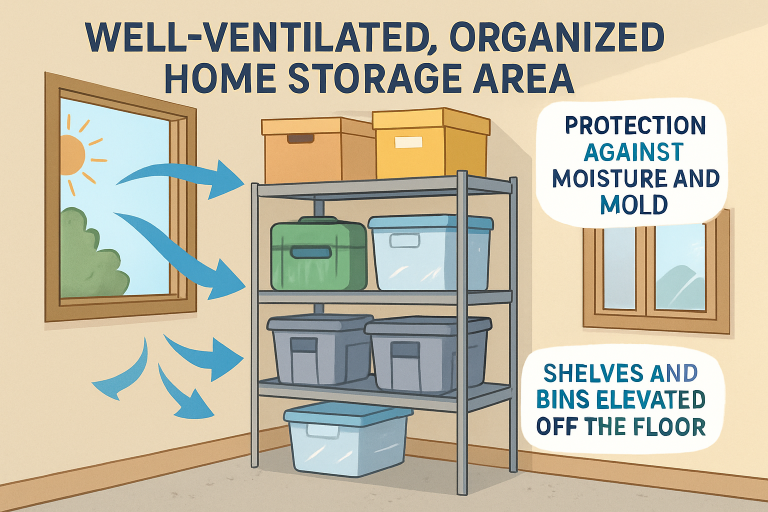
Good storage is more than just organization; it’s the first line of defense against trapped moisture. Garden tools, winter gear, and boxes stored directly on concrete or basement floors can absorb invisible humidity, creating a haven for mold. Wall-mounted or metal rail storage systems—which suspend items at least a foot above floors—encourage airflow and minimize dampness, reducing mold’s ability to take root. Even small changes, such as ventilated shelving in closets and pantries, can significantly improve circulation and keep these vulnerable spots dry. Referencing methods like these ensures a cleaner, healthier environment, especially in high-humidity seasons.
Harnessing UV Technology for Mold Prevention
Ultraviolet-C (UV-C) light is gaining widespread adoption due to its effectiveness at destroying mold spores in the air and on surfaces. Installing UV air sanitizers in HVAC ducts or using portable UV wands in bathrooms and basements can provide active, ongoing protection. These systems disrupt mold DNA and render spores inert, giving homeowners a powerful, maintenance-light way to keep indoor air clear of harmful contaminants. While UV technology doesn’t replace good cleaning habits, when integrated with routine home care, it offers extra peace of mind for those prone to allergies or asthma.
Smart Home Devices for Humidity Control
Smart thermostats and humidity monitors can actively prevent the moisture buildups that feed mold. The latest smart HVAC systems and stand-alone sensors connect to your phone or smart speaker, issuing alerts when humidity rises above safe thresholds, which are generally recommended to be between 30% and 50%. Many modern devices will even activate dehumidifiers or boost ventilation automatically, addressing issues before they become a problem. By tracking seasonal moisture trends and responding accordingly, these technologies transform mold prevention into a more manageable part of everyday living.
Choosing Mold-Resistant Building Materials
Renovating or building with mold-resistant materials provides an effective, long-lasting barrier. Products like fiberglass-faced drywall, treated wood, and specially formulated insulating panels prevent moisture absorption and resist mold colonization. For bathroom remodels or finished basements, these materials outlast traditional options exposed to periodic dampness or leaks. Selecting such products can drastically reduce the risk of mold in high-moisture spaces, and installation remains similar to that of standard materials. Consider brands that offer certified mold resistance for the best results.
Utilizing Natural Mold Inhibitors
Chemical-free, plant-based prevention is another rising trend. Essential oils such as tea tree, clove, and eucalyptus possess strong antifungal properties. Homeowners can mix 15-20 drops of these oils with water in a spray bottle and apply twice weekly to suspect areas like window sills, shower grout, and under sinks. Besides actively fighting spores, these solutions leave a natural, fresh scent, making them excellent for those seeking greener, less toxic alternatives to traditional cleaners.
Regular Maintenance of Appliances
Appliances that handle water, such as dishwashers and washing machines, are prime locations for mold to grow unnoticed. To prevent this, regularly running cleaning cycles with white vinegar and baking soda, keeping doors ajar to ensure proper drying, and wiping down gaskets or seals after every few uses can help keep these spaces free from hidden mold colonies. Neglecting appliance maintenance is a common cause of recurring odors and spores, especially in humid or poorly ventilated laundry rooms.
Implementing Proper Ventilation Practices
The most overlooked solution for mold prevention is targeted ventilation. Bathrooms and kitchens are particularly prone to moisture accumulation. Installing exhaust fans and committing to using them during showers or cooking is critical—yet many homeowners skip this step. Fans should run for at least 20 minutes after moisture-producing activities, and window vents or trickle vents should be maintained to promote continuous air exchange throughout the home. This strategy is simple, affordable, and remarkably effective.
Regular Inspection and Prompt Repairs
Consistent home inspections help identify risk factors before they develop into serious mold issues. Checking under sinks, around windows, in basements, and along exterior walls for leaks or damp spots enables rapid response. Simple fixes—like sealing cracks, tightening pipe fittings, or addressing foundation seepage—can prevent thousands in later repairs. Prioritizing these inspections as part of your regular maintenance schedule significantly reduces mold’s opportunity to gain a foothold.
Leveraging these creative and evidence-based strategies allows you to take mold prevention into your own hands—combining immediate results with lasting home health.
Conclusion
Preventing mold growth at home is less about quick fixes and more about adopting proactive, creative strategies that keep moisture and humidity under control. From improving ventilation to using mold-resistant materials and staying vigilant with regular maintenance, homeowners can protect their spaces from hidden damage and health risks. With consistent care and thoughtful prevention, your home can remain a safe, comfortable, and mold-free environment for years to come.