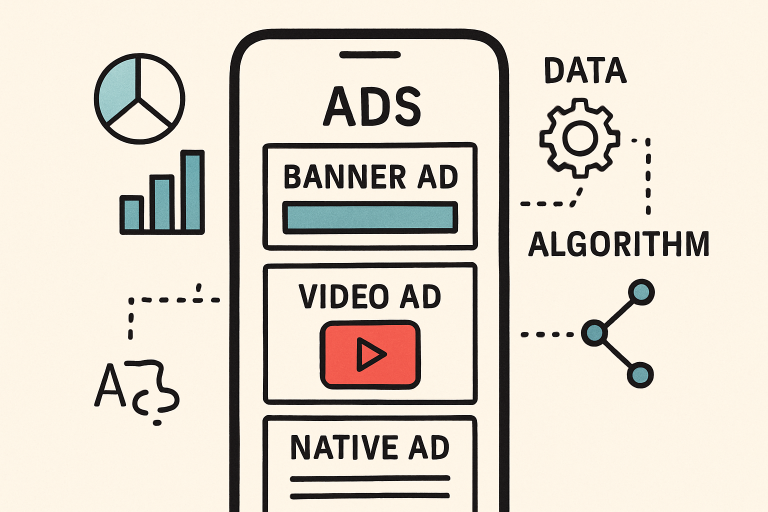
The shift toward mobile-first browsing and app usage means marketers must align their advertising strategies to consumers’ preferred devices. The benefits of mobile programmatic go beyond efficiency; it empowers brands to reach highly segmented audiences at the right moment, tailoring messages with unprecedented precision and relevance. Incorporating robust targeting, analytics, and creative automation, this approach forms the backbone of modern mobile advertising strategies.
With the rise of mobile usage surpassing desktop for digital access, businesses are increasingly seeking the most efficient and impactful ways to reach customers on their smartphones and tablets. One of the most advanced and targeted solutions is mobile programmatic advertising—an automated method of buying and optimizing digital ads across mobile devices in real time. As competition intensifies, developing a strategy that harnesses the full potential of programmatic technology is essential to gain a measurable edge in the marketplace.
Understanding Mobile Programmatic Advertising
Mobile programmatic advertising leverages automated technology and real-time bidding (RTB) to buy and place ads within mobile apps and websites. The process uses algorithms, audience data, and smart software to target consumers with relevant ads based on their online behavior, location, and preferences, ensuring brands connect with the right user at exactly the right time.
Unlike traditional ad buying, programmatic solutions operate dynamically, adjusting campaigns on the fly based on performance insights and the latest data. This adaptation makes the approach cost-efficient and results-focused, scaling campaigns according to real-time feedback and marketplace demand.
Key Components of a Successful Strategy
High-performing mobile programmatic campaigns are built on a strategic foundation comprising audience segmentation, real-time bidding (RTB), and cross-device targeting. Audience segmentation leverages user data to create precise segments, enhancing ad relevance and campaign efficiency. RTB enables rapid, automated bidding for ad slots within milliseconds to secure valuable placements. Cross-device targeting ensures consistent brand messaging across smartphones, tablets, and connected devices to maintain a cohesive customer journey.
Leveraging AI and Machine Learning
Artificial Intelligence (AI) and machine learning (ML) are significant drivers of growth within mobile programmatic advertising. Their application enables several key advancements that enhance campaign effectiveness and efficiency. Firstly, AI facilitates predictive analytics, where aggregated user data is analyzed by models to forecast user engagement and conversion probabilities. This predictive capability allows for the refinement of campaign targeting, thereby substantially improving return on investment (ROI). Secondly, Dynamic Creative Optimization (DCO) leverages AI to personalize real-time advertising creatives. This process involves continuously testing and deploying visual elements and messaging that demonstrate the highest performance, tailored to individual user characteristics and past interactions. Thirdly, AI powers fraud detection systems. These automated systems are designed to rapidly identify and flag malicious activities, such as bot-generated traffic and fraudulent practices like click spam or ad stacking. By mitigating such fraud, advertisers can safeguard their financial investments and ensure their advertising reaches genuine audiences. These AI-driven innovations are collectively instrumental in transforming the digital advertising landscape, leading to campaigns that are more responsive to market dynamics and demonstrably more outcome-oriented.
Importance of Data Privacy and Compliance
The evolution of privacy laws—such as GDPR in Europe and CCPA in California—demands advertisers follow strict data usage and consent protocols. To build lasting consumer trust, companies must embrace transparency: clearly communicating how user data is collected and used, offering opt-in choices, and securely storing personal information. Respecting these standards doesn’t just avoid fines—it enhances brand reputation and deepens audience relationships.
Forward-thinking marketers also implement privacy-first strategies, such as leveraging anonymized, aggregated data and prioritizing first-party over third-party data sources. These practices ensure campaigns remain compliant as regulations and expectations evolve.
Optimizing Ad Creatives for Mobile
Success in mobile programmatic advertising is contingent upon creating ad creatives that are visually appealing but also functional, and interactive. Key best practices involve employing responsive design to ensure ad layouts and assets automatically adjust to various screen sizes and device orientations for a consistent user experience. Incorporating interactive elements like swipeable galleries, quizzes, or playable content encourages direct user engagement, enhancing ad recall and the duration of user interaction. Furthermore, clear, strategically positioned Calls-to-Action (CTAs) is crucial for guiding users toward desired next steps, such as app downloads, sign-ups, or purchases, directly within the mobile environment.
Measuring and Analyzing Campaign Performance
Effective iterative improvement and strategic scaling necessitate consistent and in-depth analysis. Key metrics for evaluating campaign performance include Click-Through Rate (CTR), which measures ad appeal by the proportion of impressions leading to clicks; Conversion Rate, indicating campaign effectiveness by the percentage of clickers completing a desired action; and Return on Ad Spend (ROAS), which assesses financial efficiency by measuring revenue generated per dollar spent. Advanced techniques like attribution modeling and cohort analysis can enhance performance insights and inform future budget decisions.
Future Trends in Mobile Programmatic Advertising
The mobile programmatic advertising sector is undergoing swift transformation due to technological progress and shifts in user behavior. Key emerging trends poised to influence its future include adopting 5G technology, which enables the seamless delivery of high-fidelity video, augmented reality (AR), and live interactive content through ultra-fast mobile data. Furthermore, the utilization of AR ads is growing as marketers explore interactive brand experiences that integrate digital messages with users’ physical surroundings. Additionally, advancements in data integration, particularly the amalgamation of first, second, and third-party data, are expected to provide more profound insights into user intent and facilitate highly personalized marketing approaches. Maintaining adaptability and continuously adopting novel formats and data strategies will be crucial for success in mobile advertising as these trends mature.
Conclusion
A robust mobile programmatic advertising strategy requires a combination of cutting-edge technology, creative excellence, and unwavering attention to privacy. By prioritizing accurate audience targeting, tapping into AI-powered optimizations, and keeping creative formats both engaging and compliant, brands can maximize impact and ROI in the mobile-first era. As the digital ecosystem grows ever more complex, brands embracing these fundamentals will be poised for long-term programmatic growth and sustained engagement with their audiences.