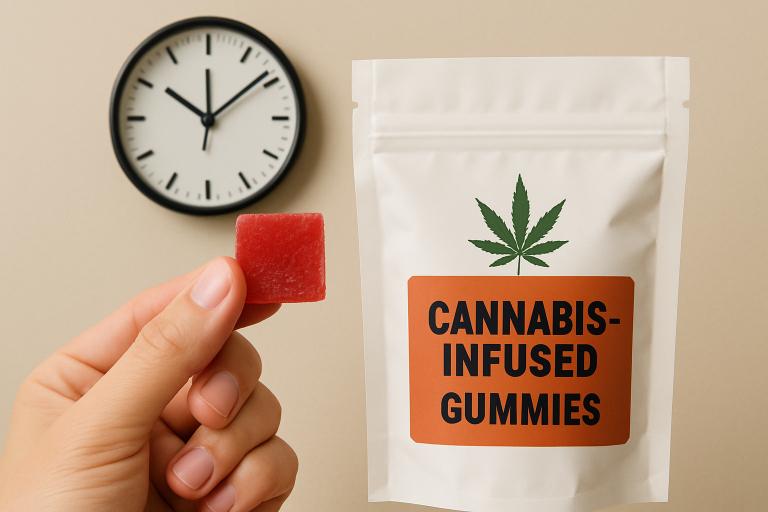
How Edibles Work in the Body
Edibles are food or beverage products infused with cannabinoids such as THC or CBD. Unlike smoking or vaping, edibles enter the body through the digestive system. Once consumed, the active cannabinoids are metabolized by the liver, with THC being converted into 11-hydroxy-THC—a more potent compound that crosses the blood-brain barrier more efficiently. This unique metabolic process contributes to both the intensity and the duration of the edible experience, making it distinct from other cannabis products. New users often have questions about where to source high-quality, legal edibles. Choosing a reputable dispensary in Connecticut can make a significant difference in both safety and experience. Legal dispensaries provide products that are tested, labeled, and regulated, reducing risks associated with unknown dosages or contaminants commonly found in illicit markets. The effects of edibles are typically more intense and longer-lasting than inhaled cannabis products. Peak effects can last several hours, which is why it’s important to approach consumption with careful planning and full awareness of dosage and timing. Understanding these fundamentals sets the stage for a positive and controlled edible experience. Numerous studies have confirmed the differences between edible and inhaled cannabis experiences, noting variation in onset times and individual reactions. The U.S. Centers for Disease Control and Prevention (CDC) highlights cautious dosing and patience as critical components of safe edible use.
Reading Edible Labels and Dosing
Accurate dosing is crucial for a satisfying and safe experience with edibles. Commercial products clearly state cannabinoid content per serving—usually in milligrams (mg) of THC and/or CBD. For those new to edibles, starting with a dose of 2.5–5 mg THC is generally recommended. Many experts urge beginners to wait at least two hours after consuming an edible before considering an additional dose, as effects can take time to fully manifest. Labels should also indicate total potency per package, serving sizes, and batch information. These markers not only help prevent accidental overconsumption but also aid in tracking personal preferences and tolerances over time. Regulated dispensaries are particularly scrupulous about clear labeling, making them a reliable option for new and experienced users alike.
Expected Timeline and Effects
Edible cannabis has a delayed onset compared to inhaled forms, with effects often starting 30 to 90 minutes after consumption. Full potency may not be felt until two to four hours after ingestion. The duration of the effects varies but typically lasts anywhere from four to eight hours, depending on the product’s potency, your metabolism, and other individual factors. Consuming edibles on a full stomach can slow the onset even further, sometimes stretching the anticipation— and the high— throughout the day. This delayed onset is the most common reason for accidental overconsumption. Impatience or misunderstanding about how long it takes for effects to set in has led many users to consume additional doses prematurely. Plan accordingly and remain patient to avoid discomfort or unwanted effects.
Consumption Tips for Beginners
- Start low, go slow: Always begin with a small dose, waiting at least two hours before considering more.
- Stay hydrated: Drink water or a non-alcoholic beverage to mitigate dry mouth and help your body process cannabinoids.
- Eat beforehand: Having a meal before consuming edibles can moderate the intensity of the experience and delay its onset.
- Select a comfortable setting: Enjoy edibles in a safe, familiar environment to help cut down on anxiety or paranoia.
- Avoid mixing substances: Combining cannabis with alcohol or other drugs increases the risk of negative interactions.
Beginners are often susceptible to common pitfalls, such as consuming more before initial effects appear. Sticking with a steady, measured approach enhances the overall experience and helps avoid unnecessary discomfort.
Potential Risks and Side Effects
Edibles, like all cannabis products, come with potential short-term side effects. The most common include dry mouth, reddened eyes, sluggish reactions, and drowsiness. At higher doses, users may experience anxiety, paranoia, or even mild hallucinations. While extremely rare, excessive consumption can result in panic attacks or significant discomfort, particularly for those with low tolerance or new to edibles. If you feel overwhelmed, the best course of action is to find a quiet space, remain hydrated, and allow the effects to subside naturally. Effects will gradually wear off, though the duration can be several hours. In persistent or severe cases, contacting a healthcare provider is always advised.
The Legal Landscape
Cannabis edibles are not universally legal. Laws governing production, sale, and consumption can differ between countries, states, and even cities. Always verify your local laws before attempting to purchase or use cannabis edibles. Purchasing from licensed dispensaries in regulated jurisdictions reduces the risk of ingesting unsafe, improperly labeled, or contaminated products.
Quality and Sourcing
The quality and source of your edibles play a major role in their safety and effectiveness. Look for third-party tested products that display clear, consistent, and comprehensive labels—including batch numbers and potency information. Legal dispensaries typically provide these assurances, while illicit or homemade edibles often offer none. This lack of quality control poses risks of unintentional overdosing or exposure to harmful substances. Always err on the side of caution and choose products from licensed retailers, especially if you’re new to edibles or sensitive to THC.
Edible FAQs
- How long does a typical edible high last? The effects can last between 4 and 8 hours, influenced by product strength and individual tolerance levels.
- Can you overdose on edibles? While fatal overdoses are nearly unheard of, consuming too much can result in severe, uncomfortable reactions that require time and patience to resolve.
- Are CBD edibles intoxicating? CBD alone is non-intoxicating, but always review the label to ensure the THC-to-CBD ratio aligns with your intentions.
- What should I do if I eat too much? Stay calm, hydrate, and rest. The effects are temporary, but if you become anxious or feel unwell for a prolonged period, seek professional medical advice.
Navigating the world of edibles is a rewarding journey when approached with knowledge and caution. Rely on reliable resources, informed dosing, and legal sources to maximize both safety and enjoyment as you explore what cannabis has to offer.
Conclusion
Edibles offer a distinct and often more intense cannabis experience compared to inhalation, but they also require a thoughtful and informed approach. By understanding how edibles work in the body, paying close attention to dosage and labeling, and exercising patience with their delayed onset, consumers can minimize risks while enhancing their enjoyment. Safe practices such as starting low, sourcing from licensed dispensaries, and staying mindful of local laws ensure the experience remains positive and predictable. With proper preparation and awareness, edibles can be a safe, enjoyable, and versatile option for both new and experienced cannabis users alike.