Why Comparison Matters
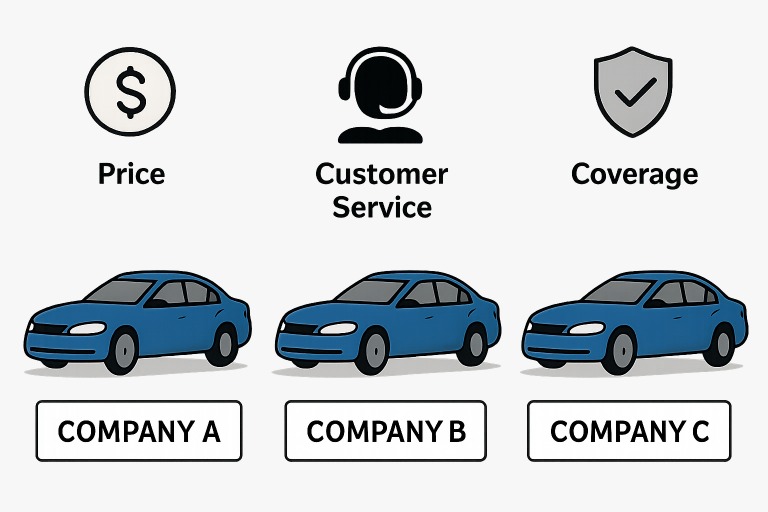
When looking for the proper insurance protection for your vehicle, selecting the quickest or cheapest offer on the market might be tempting. However, investing a small amount of time comparing auto insurance companies can lead to substantial savings and give you peace of mind when it matters most. A thorough comparison allows you to identify which providers offer essential features, quality service, and robust claims support—factors just as important as the price tag.
Every insurer has different strengths, so reviewing more than just premium costs ensures you’ll be better protected in an accident or emergency. Many industry experts agree that comparing plans and coverage terms from various auto insurance companies can bring hidden benefits, such as more comprehensive coverage, flexible options, and faster claims processing when you need it the most.
This approach puts you in control of your policy—not just settling for what’s widely advertised, but matching your unique driving profile to the insurer best equipped to serve you. As your needs and circumstances shift over time, the research you invest now can yield long-term protection and value.
Focusing on the full suite of services offered, from digital claims tools to customer support and add-on benefits, enables drivers to spot value that pure price comparisons can’t reveal. By being proactive and detailed in your comparison, you’re more likely to discover a policy that fits your budget and lifestyle.
Key Factors to Consider When Comparing Auto Insurance Companies
- Customer Service: Are claims handled efficiently and fairly? Responsive customer support and transparent communication are crucial when filing a claim or making policy changes.
- Financial Stability: Insurers should be able to pay claims in any scenario. For extra confidence, check their ratings from trusted agencies like AM Best or Moody’s.
- Policy Flexibility: Look for insurers that offer customizable coverage and allow you to adjust deductibles, limits, and add-ons easily as your needs evolve.
- Discount Opportunities: Companies often offer safe driver discounts, bundling for home and auto, or loyalty rewards. These can significantly lower your bill without reducing coverage.
These factors can dramatically influence your satisfaction with the price and your insurer’s support during stressful times. First-hand reviews and independent feedback are valuable for understanding where a company excels.
Coverage Types Explained
Understanding your policy’s components is key to choosing the proper coverage. The significant types of auto insurance include:
- Liability: Required in most states, protects you financially if you cause damage to another person or their property.
- Collision: Covers repairs or replacement if your car is damaged in a crash, regardless of fault.
- Comprehensive: Extends your protection beyond crashes—including theft, vandalism, weather events, and animal encounters.
- Uninsured/Underinsured Motorist: Protects you if another driver at fault has insufficient or no insurance.
Choosing the right mix means balancing protection and out-of-pocket costs, ensuring you don’t pay for unnecessary extras while avoiding costly gaps in coverage. For more details on coverage requirements and recommendations, this guide on coverage types can help clarify what’s best for you.
Balancing Cost and Value
Finding the lowest auto insurance premium is appealing, but weighing what’s included in that price is essential. Evaluate deductibles, coverage limits, repair shop flexibility, and customer service ratings. As Consumer Reports notes in its car insurance savings guide, the best insurers may charge more premiums but frequently offer superior claims service and coverage extras. These distinctions are crucial if you ever need to file a claim.
Higher-value policies usually offer more comprehensive protection, lower claim wait times, and include valuable add-ons, delivering better overall financial security for your investment.
Using Independent Reviews and Ratings
Not all insurers deliver the same level of support when it matters most. Third-party sources like J.D. Power and state insurance department indices provide annual ratings on customer satisfaction, claim resolution, and complaint ratios. Steady, high scores are reliable indicators of consistently strong service. Consider also asking family or friends about recent claims experiences—sometimes firsthand insights offer added perspective beyond what statistics or marketing materials provide.
Consulting independent reviews from authoritative industry sources keeps you informed and helps you avoid companies that may have a history of delays or unsatisfactory settlements.
How to Shop Effectively
- Define your needs: Note your preferred coverage types, limits, and optional extras, such as roadside assistance or rental reimbursement.
- Gather multiple quotes: Seek personalized quotes from at least three diverse insurers for an accurate side-by-side comparison.
- Use comparison tools: Digital platforms can streamline comparison shopping, but confirm all details with a licensed agent before committing to a plan.
- Ask key questions: Inquire about claims processing timeframes, payment methods, policy changes, and cancellation procedures to assess real-world service delivery.
Documenting the pros and cons of each provider helps maintain clarity and avoid decision fatigue, mainly when coverage options differ significantly.
Adjusting Your Policy as Needs Change
Major life events often require a fresh look at your auto insurance. Relocation, vehicle upgrades, marriage, or adding new drivers—like teens—can dramatically change your coverage needs and cost structure. Experts suggest reviewing policies yearly to ensure they fit your evolving lifestyle, risk profile, and personal finances.
Even if you’re satisfied with your current insurer, regularly checking for new discounts, policy features, or better service options could save you money and provide improved protection over time.
Resources and Tips for Smart Comparison
- Consult your state’s insurance department website for consumer complaint histories and educational resources. For example, visit the National Association of Insurance Commissioners (NAIC) Consumer Resources.
- Review loss ratio data and financial strength ratings to avoid unstable insurers unable to pay claims.
- Pay attention to annual notices regarding policy changes, as rates and terms can shift unexpectedly.
- Loyalty doesn’t always pay—compare offers even as a long-time customer to ensure you’re still getting a competitive deal.
By combining independent reviews, official consumer resources, and tailor-made quotes, you’ll empower yourself to confidently select coverage that genuinely fits your budget and lifestyle. Smart comparison shopping puts you firmly in control, ensuring that your insurance meets—but exceeds—your expectations in times of need.