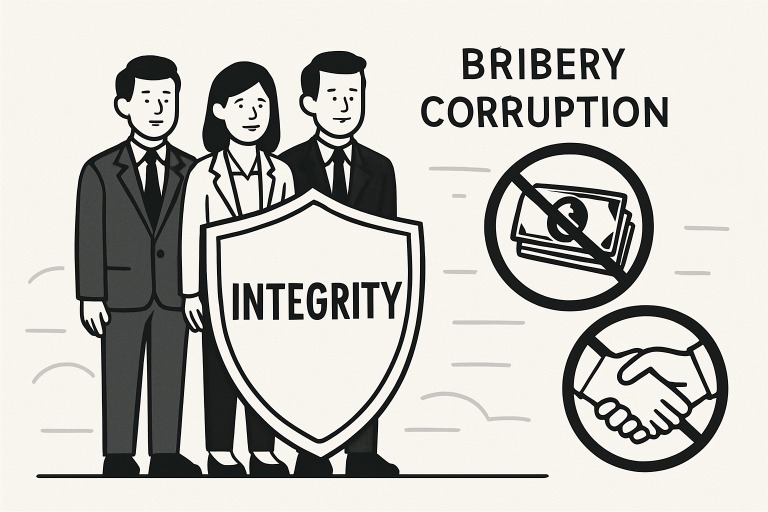
Why Address Bribery and Corruption?
Bribery and corruption continue challenging global organizations, threatening their financial well-being, reputation, and operational legitimacy. Every year, corrupt practices siphon trillions from the worldwide economy, undermining trust in public and private institutions. Taking direct, actionable steps to prevent misconduct is non-negotiable for organizations serious about compliance and ethics. Addressing these risks promptly can prevent massive fines, safeguard careers, and preserve the integrity of the business.
To ensure teams are fully educated and compliant, businesses frequently use professional development resources like traliant.com for up-to-date anti-bribery and anti-corruption training. These courses are tailored to the evolving legal landscape and offer practical scenarios that help organizations build a robust culture of accountability.
Bribery and Corruption: A Global Perspective
Bribery and corruption are not isolated to specific regions or industries; they’re global phenomena. Enforcement of anti-bribery laws such as the Foreign Corrupt Practices Act (FCPA) in the United States and the UK Bribery Act demonstrates a worldwide commitment to rooting out these harmful practices. International organizations, including the United Nations, have implemented frameworks and conventions to help unify standards and promote transparency. Failure to comply with global standards can result in sanctions, export restrictions, and loss of investor confidence, making it imperative for organizations to understand local and international laws.
Staying updated on regulatory changes and global enforcement actions helps companies avoid penalties and provides a blueprint for ongoing compliance. Case studies from major multinational corporations reveal that comprehensive compliance programs and strong leadership commitment can significantly lower the risk of regulatory breaches and help organizations thrive in high-risk markets.
Spotting the Signs of Corruption
Corruption can take many forms, from direct bribes and kickbacks to subtle, ongoing “facilitation payments.” Identifying red flags early is essential to prevent small lapses from escalating into major scandals. Employees at every level should be trained to recognize the most common corruption indicators, which, according to BBC News, can include sudden windfalls, unusual invoicing, and relationships with third parties that seem overly close or secretive.
- Unexplained or illogical payments and invoicing structures
- Insufficient documentation for financial transactions
- Staff with unusually close relationships with officials or vendors
- Requests for special treatment or secrecy in financial dealings
Conducting a Risk Assessment
A targeted risk assessment is a vital tool in anti-bribery and corruption efforts. Organizations should systematically review operations to pinpoint where they are most exposed. Departments with large contracts, potential touchpoints with public officials, or reliance on third-party agents require closer scrutiny. It’s best practice to incorporate several steps:
- Analyze previous incidents and complaints to identify trends or recurring vulnerabilities.
- Conduct thorough interviews across departments to ensure all perspectives are captured.
- Consider geographic and industry-specific corruption indices, using resources such as Transparency International’s Corruption Perceptions Index.
- Score risks based on likelihood and potential financial or reputational impact, then prioritize mitigation strategies accordingly.
Informed risk mapping enables organizations to allocate resources intelligently and implement controls where needed most.
Developing Clear Policies
A company’s anti-bribery and anti-corruption policies are the foundation for all preventive measures. Comprehensive policies should define prohibited conduct, clarify disciplinary actions, and provide examples relevant to your employees’ everyday activities. For best results, keep the language clear, concise, and accessible to everyone, regardless of role or location. Review and update these documents regularly to reflect laws and business practices changes.
Training and Awareness Programs
Anti-corruption training must move past a simple check-the-box approach to be truly effective. Instead of treating it as a one-time requirement, organizations should design programs that actively engage employees and encourage long-term awareness. Interactive modules, case studies, and real-world scenarios allow individuals to see how corruption risks arise and how to respond appropriately. Periodic refresher courses are equally important, helping reinforce lessons and adapt content to evolving challenges. Forbes notes that companies investing in ongoing training often experience higher reporting rates and reduced unethical behavior, demonstrating the tangible impact of well-structured programs. Offering multiple formats—such as workshops, webinars, and e-learning platforms—ensures accessibility and appeals to different learning preferences. By diversifying methods and prioritizing consistency, organizations foster a culture of transparency, accountability, and vigilance that strengthens ethical decision-making across all levels of the workplace.
Building Effective Reporting Mechanisms
Employees must feel safe and empowered to report unethical or illegal conduct concerns. Establishing clear, accessible reporting channels—such as confidential hotlines, secure digital portals, or designated ombudsmen—is crucial. Prompt, impartial investigations and timely feedback to whistleblowers foster confidence in the process.
- Uphold confidentiality at every stage of the reporting and investigative process.
- Offer regular status updates and emotional support to whistleblowers
- Enforce strict non-retaliation policies, making it clear that retribution will not be tolerated
A robust reporting culture deters misconduct and signals to third parties, regulators, and stakeholders that your organization takes its ethical obligations seriously.
Practical Examples and Lessons Learned
Notable cases like those involving Siemens and Walmart illustrate the fallout and the transformation possible after corruption scandals. Siemens, for example, fundamentally overhauled its compliance structures and cultural values, evolving into a leader in business ethics. By learning from such examples, companies can identify best practices and avoid repeating costly mistakes. Proactive transparency, leadership buy-in, and continuous improvement are common denominators in organizations that rebound successfully.
For further reading, see Siemens to pay $1.6 billion in bribes case and Walmart Accused of Bribing Mexico Officials.
Conclusion
Preventing bribery and corruption demands constant vigilance, education, and a comprehensive approach. Only by regularly assessing risk, maintaining clear policies, investing in training, and fostering robust reporting mechanisms can organizations truly create an environment where unethical conduct is swiftly addressed. Leadership commitment and employee engagement are pivotal in cultivating an ethical workplace that mitigates legal risks and contributes to a healthier, more trustworthy global business environment.