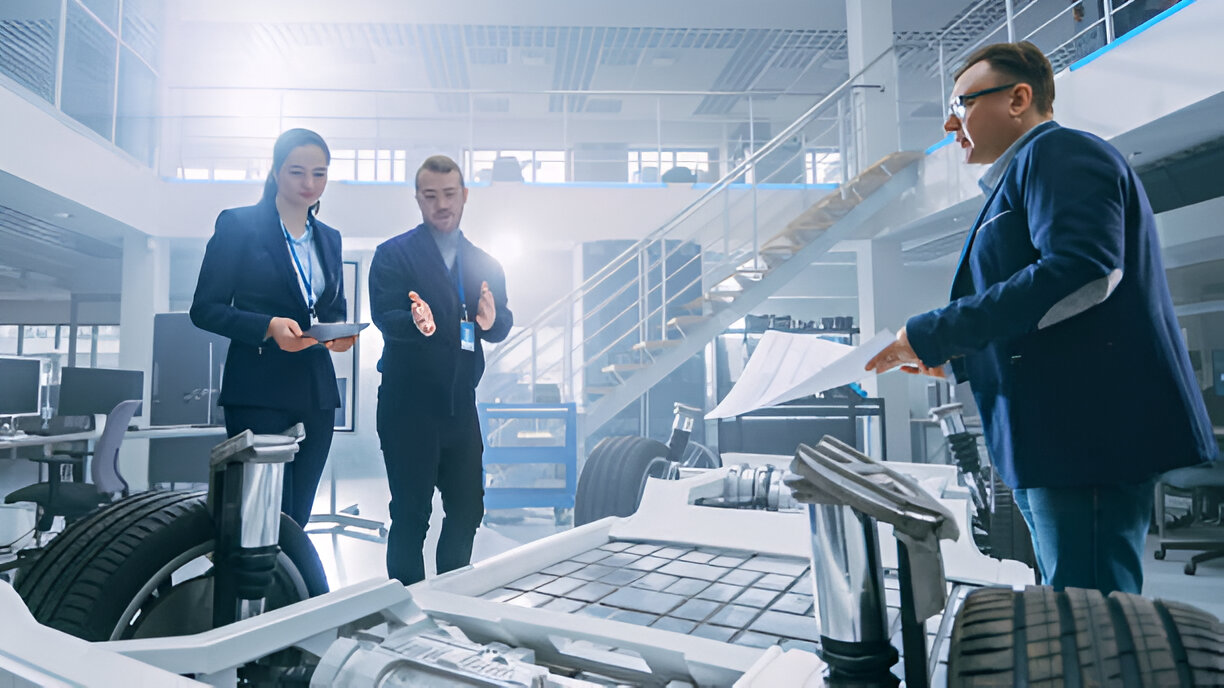
The manufacturing sector is entering a new era shaped by advanced automation, smart technologies, and rapidly changing market demands. To thrive in this environment, companies must look beyond meeting today’s production targets and focus on preparing their workforce for the challenges of tomorrow. Building a future-ready manufacturing team means equipping employees with technical and soft skills, fostering adaptability, and encouraging continuous learning. Manufacturers can ensure that their teams remain competitive, resilient, and capable of navigating future uncertainties by investing in skill development, embracing innovative training methods, and cultivating a culture that values flexibility and problem-solving.
Why Manufacturing Teams Need To Adapt
Recent technological advancements in automation and AI have reshaped manufacturing, with robots sharing the factory floor with humans. Success now demands more than technical skill; companies seek adaptable, digitally fluent, and problem-solving teams. Beyond mechanical know-how, workers must collaborate, think critically, and stay eager to learn as conditions change. As the sector faces constant change, organizations that embrace manufacturing assessment and analysis gain vital insights to support workforce transformation, helping them stay competitive and identify evolving skill gaps.
In this environment, upskilling and reskilling are crucial as new tools and processes rapidly emerge, making today’s skills outdated quickly. Manufacturers that fall behind risk losing to technological, market, and supply chain changes. Developing a future-ready team helps organizations stay competitive by responding faster, maintaining quality, and capturing growth opportunities. Workforce adaptability has become as vital as product innovation and operational efficiency.
The Shifting Skillset in Manufacturing
The manufacturing sector is seeing increased demand for professionals with strong technical, analytical, and collaboration skills. They need to solve complex problems, make data-driven decisions, and work well in teams. Employees must interpret data, operate advanced machinery, and optimize processes using real-time insights. Future-ready teams will have digital literacy, critical thinking, and adaptability to new technologies. Employers value troubleshooting, effective communication, and embracing automation to improve roles. Leaders should expand candidate criteria and invest in ongoing talent development.
Challenges Manufacturers Face When Building a Skilled Workforce
Manufacturers face challenges in talent shortage, technology gap, and retention due to shrinking labor pools and increased demand for advanced skills. They focus on long-term engagement strategies, continuous learning, and tailoring development pathways to individual strengths and career goals to address these issues. Clear advancement opportunities and regular feedback can make manufacturing jobs more appealing to next-generation talent while motivating experienced workers to share their knowledge. This is especially important as aging workforces in many regions contribute to a loss of institutional knowledge.
Strategies for Future-Proofing Manufacturing Teams
Continuous learning is essential for employees to stay sharp in a tech-driven environment. Organizations can partner with technical colleges or online learning providers to expand upskilling options and make education accessible to all staff members. Mentorship programs help accelerate knowledge transfer, build confidence, and foster a culture of mutual support. Soft skills development, such as communication, creative problem-solving, and collaboration, empowers teams to adapt quickly to changing roles and challenges. Training sessions on interpersonal skills help resolve conflicts efficiently, embrace diversity, and manage change together. Leveraging technology, such as simulated work environments, remote diagnostics, and collaborative robots, can help teams become more agile and resilient against unexpected shifts in production demands.
The Role of Digital Literacy in Manufacturing
Digital skills are now essential in manufacturing, with over 60% of firms increasing digital training. Employees interact with sensors, cloud dashboards, and CAD platforms, enabling safe operation, data-driven decisions, performance monitoring, and troubleshooting. For example, shop floor workers use tablets for instructions, ensuring safety and efficiency. Mastering these tools boosts safety, minimizes downtime, and fosters innovation. Digitally literate staff are crucial for competitiveness and cybersecurity.
Prioritizing Soft Skills: Beyond Technical Training
The fast pace of change highlights the importance of soft skills in manufacturing. Teams need to work across functions, innovate together, and adapt to disruptions like supply shortages, changing customer specs, or urgent maintenance. Traits like emotional intelligence, open communication, and a willingness to learn are vital for resilient, high-performing teams. These qualities help organizations respond creatively to shifting circumstances, especially as automation handles routine tasks.
Employers value these qualities as they help teams handle ambiguity, improve continuously, and build a culture of shared success. Firms with strong soft skills report fewer accidents, lower turnover, and more innovation, benefiting both profits and growth.
Creating a Culture of Engagement and Growth
Engaged manufacturing employees drive innovation and retention. Leaders who foster dialogue, transparency, support, and clear career paths make employees feel valued and invested in their futures. Systems for feedback, mentorship, and rewards boost engagement and resilience. This culture encourages initiative, new ideas, and continuous learning. Organizations that celebrate milestones and recognize skills see higher morale and loyalty. Empowered employees perform better, recruit talent, and enhance the company’s reputation.
Learning From Industry Leaders
Top global manufacturers prioritize workforce agility, increasing productivity, innovation, and employee satisfaction. They run in-house academies for continuous learning, tailored to local needs. Organizations can learn from these leaders by partnering with educational institutions, investing in immersive training, or offering flexible schedules. Benchmarking industry best practices enables companies to adopt scalable solutions to improve workforce readiness and future-proof their business.
Action Steps to Transform Your Workforce
To prepare manufacturing teams for the future, organizations should evaluate their current and future skill requirements, invest in continuous education across technical, digital, and interpersonal development, encourage curiosity, facilitate cross-training, and set metrics for progress. Regularly refining development programs in line with evolving technologies and market expectations is crucial. Strategically investing in employee growth through innovative learning, modernized skills development, and a culture of engagement equips teams to thrive in a competitive global landscape. With the right strategies, organizations can ensure their most significant asset, their people, are ready for any challenges.
Conclusion
In the rapidly changing manufacturing industry, adaptability is a crucial competitive advantage. Companies that invest in upskilling, digital literacy, and soft skills development can navigate market shifts, technological advancements, and supply chain disruptions confidently. Fostering a culture of engagement, continuous learning, and cross-functional collaboration can transform the workforce into a future-ready asset. Companies that embrace innovation in processes and products, as well as employee development, will ensure long-term growth, stability, and a strong global market presence.