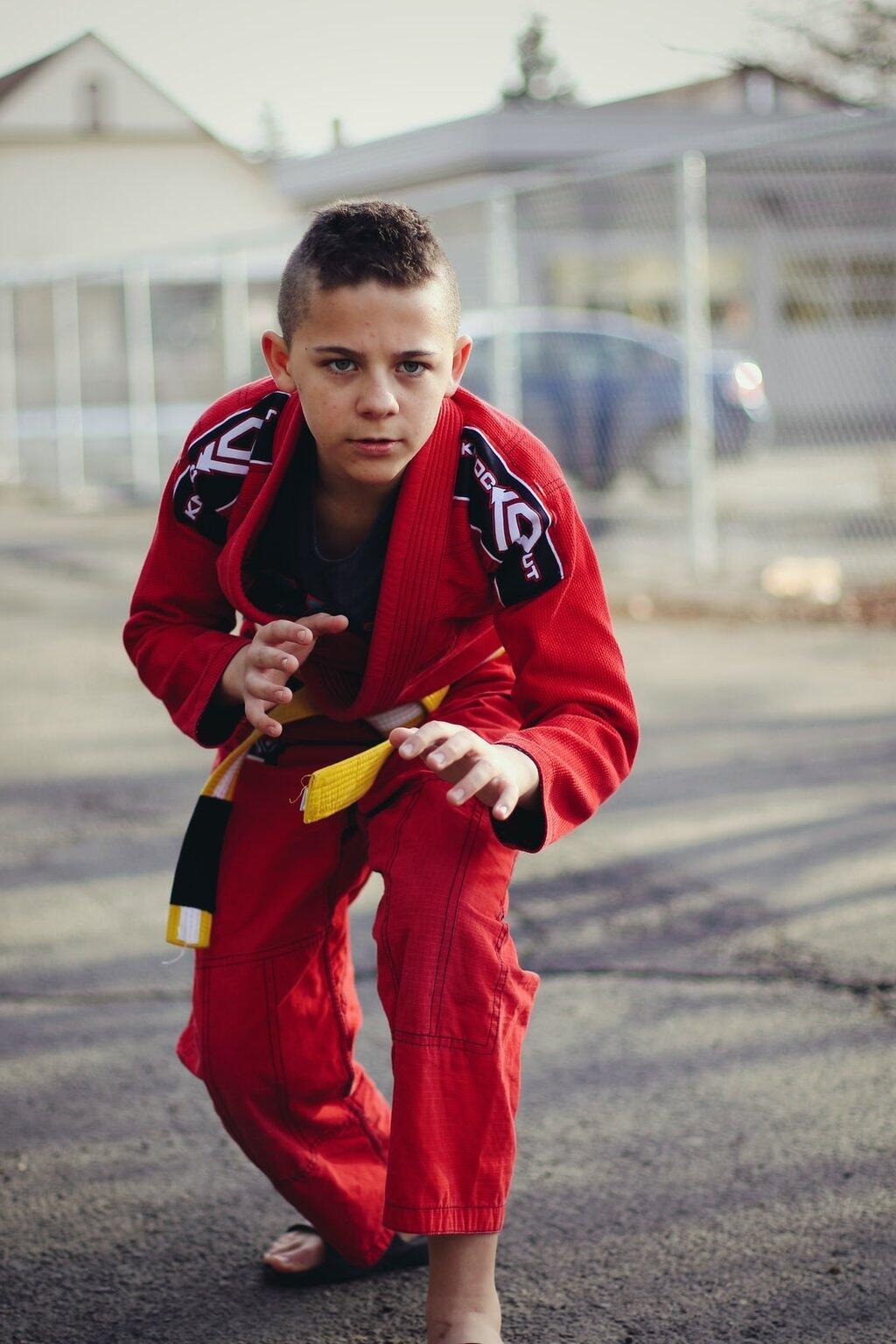
Did you know that the martial arts wear market is projected to reach $9.63 billion by 2032? This growth shows how important martial arts uniforms are worldwide.
From the striking colors to the detailed designs, martial arts uniforms show the essence of each discipline. They represent more than the act of fighting. They carry meaning tied to culture and tradition.
In this article, you will learn about the cultural meanings of martial arts uniforms. These insights will explain why they are more than just training clothes. Continue reading to learn more.
Symbol of Discipline
The martial arts uniform stands for discipline and dedication. Wearing it signals readiness for training. It marks the start of focused practice.
When practitioners put on their uniforms, they take on a role of respect. This role demands self-control and concentration. It sets the tone for proper behavior.
Uniforms remind students that martial arts is about self-mastery, not aggression. The effort needed to earn them builds commitment. This dedication strengthens their connection to the art.
Identity and Tradition
Every martial arts style has a distinct uniform that shows its identity. The judogi in Judo, for example, is simple and practical. This reflects the sport’s focus on technique over appearance.
Uniforms connect practitioners to tradition. They strengthen the link between past and present students. This helps ensure the art is passed down through generations.
Wearing these uniforms is a shared experience. It unites practitioners within communities. It also builds a strong sense of belonging.
Respect for History
Martial arts uniforms honor the ancient origins of the practice. Many styles have histories that go back centuries. The design of the uniforms reflects this heritage.
A black belt carries deep meaning in many martial arts. It shows a high level of skill. It also represents dedication to the art.
Earning this rank means respecting the knowledge passed down over time. It connects practitioners to those who came before them. This respect keeps the tradition alive.
The Role of Color in Uniforms
Color is important in martial arts uniforms. It shows a martial artist’s skill level and status. Colors can be different in each style.
White
White represents purity and the start of a student’s journey. Wearing a white uniform shows a blank slate. It signals readiness to learn new skills.
This stage focuses on humility. It also shows eagerness to grow. Students begin building their foundation in the art.
Colored Belts and Ranks
As students improve, they earn colored belts to show their progress. Each belt color has a special meaning. Yellow can mean awareness, while black can mean mastery.
This belt system marks the end of one stage and the start of another. It helps students stay committed to training. It also inspires them to aim for excellence.
Black
In many martial arts, the black belt is a sign of mastery. It shows a high level of skill and understanding. It is respected by both peers and instructors.
Earning a black belt does not mean learning is over. It marks the start of a deeper study. This stage focuses on refining techniques and knowledge.
Uniforms as Cultural Symbols
Colored ninja uniforms are cultural symbols that connect practitioners to their roots. These garments whisper stories of dedication, pride, and respect.
Connecting Generations
The rituals of wearing a martial arts uniform often include special ceremonies. These connect new students with their instructors. They also link them to the larger community.
These moments are rich in tradition. They highlight the importance of the art. They also honor those who practiced it in the past.
Regional Variations
Different martial arts styles have unique uniforms. These reflect their cultural backgrounds. For example, the Karate gi is different from Taekwondo attire.
Uniform variations show the identity of each discipline. They also reflect the region where the art began. Learning about these differences builds appreciation for martial arts worldwide.
Uniforms and Personal Development
Martial arts uniforms are instrumental in shaping a practitioner’s character. They foster a sense of responsibility, humility, and self-awareness.
Building Confidence
Wearing a uniform can boost a student’s confidence. It reminds them of their place in the martial arts journey. It also helps them feel proud of their progress.
Earning colored belts gives a sense of achievement. This motivates students to keep going. The confidence they gain often carries into everyday life.
Sense of Belonging
Wearing a martial arts uniform makes practitioners part of a larger community. It helps them feel connected to others. This connection builds mutual respect and support.
A sense of belonging encourages camaraderie. Students learn to help each other grow. These bonds often last a lifetime.
Leadership and Teaching
As practitioners progress, they may take on teaching roles. This allows them to guide newer students. It also strengthens their understanding of the art.
Wearing the uniform in this role reflects leadership and mentorship. It shows a duty to share knowledge. It also preserves the values of the martial arts tradition.
Modern Interpretations
Martial arts uniforms still have deep cultural meaning. Modern versions have also appeared. These mix tradition with contemporary style.
Evolution of Design
Today’s uniforms use advanced materials for better flexibility. They are designed to improve comfort during training. This makes movement easier for practitioners.
Designers add features that improve functionality. They still keep the traditional look. This mix of old and new meets the needs of martial artists today.
The Role of Competitions
In competitions, uniforms play an important role in a participant’s mindset. They can help athletes feel prepared and confident. Some choose designs that reflect their personality.
These designs may also show personal achievements. They add individuality to the uniform. This makes the clothing even more meaningful and culturally significant.
Embrace the Traditions Behind Martial Arts Uniforms
Martial arts uniforms are more than practical clothing. They hold the values of respect, discipline, identity, rank, tradition, and community. Each one reflects the culture and legacy of martial arts.
Through every stitch, they remind practitioners of their journey. Wearing them enhances the training experience. It also encourages respect and appreciation for the tradition.
Searching for more informative articles like this? Then please keep browsing our blog now.