Construction sites are often exposed to theft, trespassing, and damage. With equipment and materials left unattended, they become easy targets. Security risks delay projects and raise costs.
Preventing these issues should be part of daily operations. A secure site protects workers, tools, and timelines.
It also helps avoid legal problems and insurance claims. Taking the right steps now prevents bigger losses later.
Here’s how to improve construction site security using proven strategies below.
Limit Access to Authorized Personnel Only
Controlling who gets in and out of the site is the first step. Use ID badges, check-in systems, or digital access tools.
This helps monitor all entries and exits. Limit access to key zones based on roles.
Don’t allow walk-ins or open gates. Each worker should know the access rules. Keep visitor logs for added record-keeping.
A secure perimeter combined with entry control helps cut down on trespassers. This keeps everyone safer and the site more secure.
Install Adequate Lighting
Poor lighting encourages criminal activity. Keep all corners of the site well-lit, including storage areas. Bright lights discourage intruders and make it easier to see suspicious activity.
Choose LED lights for better coverage and efficiency. Motion sensors can help save energy while increasing response to movement. Set up lights at access points, around fences, and near valuable assets.
Lights also make security cameras more effective at night. Review lighting setups regularly. Maintain them so there are no blind spots.
Use Strong Perimeter Fencing
Fencing sends a clear message that trespassing is not allowed. Use tall and sturdy fences that are hard to climb.
Secure gates with proper locks and alarms. Avoid leaving gaps or low spots that can be exploited.
Inspect fences often for damage or tampering. Consider adding anti-climb features if theft risk is high. Chain-link fencing is common, but other materials may be better in certain environments.
Combine fences with clear signs that warn of surveillance. A visible boundary deters casual entry.
Invest in Surveillance Systems
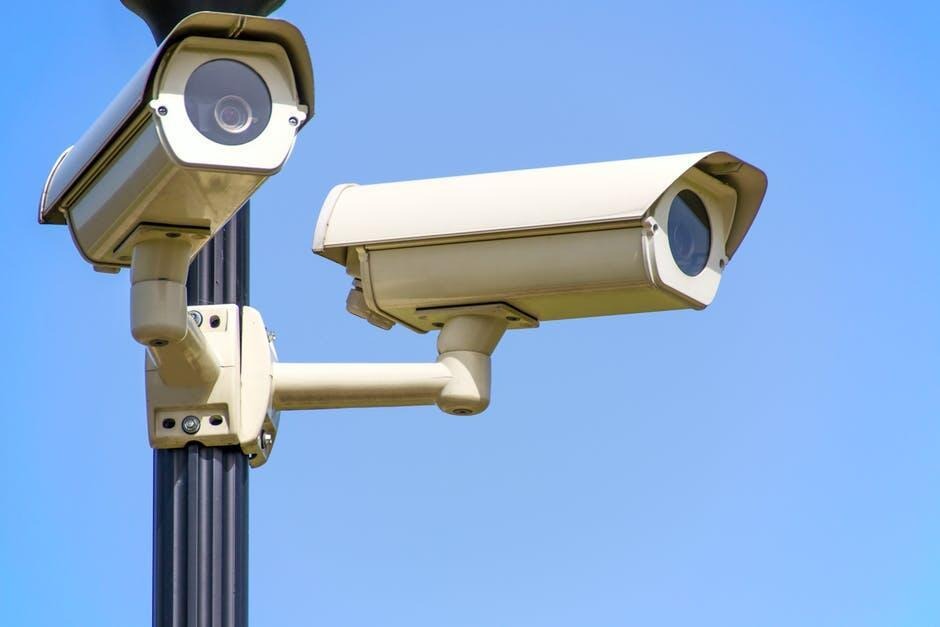
Security cameras play a big role in prevention and investigation. Place them at all entrances, exits, and high-risk areas.
Opt for real-time monitoring where possible. Store footage in secure cloud-based systems.
Use mobile alerts for any unusual activity. High-resolution video helps in identifying individuals.
Some systems use motion detection and night vision. Cameras should be tamper-proof and visible.
One known option for mobile surveillance is VideoGuard, which provides quick deployment and reliable coverage.
Secure Valuable Equipment
Heavy machinery, tools, and materials are easy targets. Park large equipment in central, visible areas. Lock tools in storage units when not in use.
Use GPS trackers on key machinery. Remove ignition keys daily or lock them up separately.
Label tools clearly to prevent resale. Create an inventory list with regular updates. Store smaller items off the ground and away from site edges.
Limit access to storage zones. Have a plan for replacing locks if keys go missing.
Implement On-Site Security Patrols
Human presence can deter threats better than technology alone. Hire trained guards for larger or high-risk sites.
Patrols should follow a schedule and check key points. Varying patrol routes make it harder for criminals to plan.
Combine security personnel with other systems like cameras and alarms. Make sure guards can communicate quickly in case of trouble. Equip them with flashlights, radios, and first aid kits.
Log patrol rounds to track coverage. Patrols add a strong visible layer of defense.
Lock Down After Work Hours
Sites should never be left completely open. Always secure gates, vehicles, and offices before leaving.
Activate alarms and ensure cameras are recording. Set routines for the last team to check everything.
Use time-controlled locks where possible. Keep the last person accountable for lock-up. Avoid sharing gate codes with too many people.
Night security or remote monitoring can provide added peace of mind. A clean and locked site is a safer site.
Train Workers on Security Protocols
Everyone on-site plays a role in safety. Start with an orientation that includes security rules.
Remind staff to report strangers or suspicious activity. Train them on locking procedures and access policies.
Make sure they understand the importance of following rules. Have a system for anonymous tips or reporting. Post signs and updates about current risks.
Keep communication clear and ongoing. A well-informed crew is less likely to create vulnerabilities.
Use Alarm and Detection Systems
Alarms alert site managers to intrusions quickly. Install motion detectors, door sensors, and glass-break alarms.
Connect alarms to a central system or monitoring service. Ensure alarms are loud and visible to deter intruders.
Test all devices regularly. Use mobile alerts so issues are noticed fast. Combine with lights and sirens for a stronger impact.
Set alarms to activate outside of work hours. They serve as an early warning system before damage is done.
Remove Site Clutter and Hiding Spots
A clean site is harder to sneak around in. Piles of scrap materials and debris create hiding spots. Keep the area tidy to maintain visibility.
Store materials neatly and away from fences. Clear out unused containers or vehicles.
Regular cleaning helps spot unusual items or activity. Organize tools and supplies at the end of each day.
Make sure the lighting covers all areas. A clutter-free layout helps staff and guards keep track of movement.
Post Warning and Instructional Signs
Clear signage helps reinforce security. Use signs that indicate restricted areas, surveillance in use, and safety rules. Place them near gates, equipment zones, and office trailers. Warning signs can reduce legal issues in case of incidents.
Include emergency contacts for fast reporting. Signs should be weatherproof and visible at night. Replace faded or damaged signs quickly.
Combine with fencing and lighting to create a strong message. Simple signs reduce confusion and show control.
Invest in Enhancing Construction Site Security
Construction site security needs more than just locks and cameras. It requires planning, training, and constant review.
Every team member should be involved in protecting the site. The more layers you add, the harder it becomes for threats to succeed.
A secure site helps projects run smoothly. It protects investments and keeps workers safe. Stick to these strategies for a stronger defense.
Stay alert and update your approach when needed. Keep safety at the center of every build.