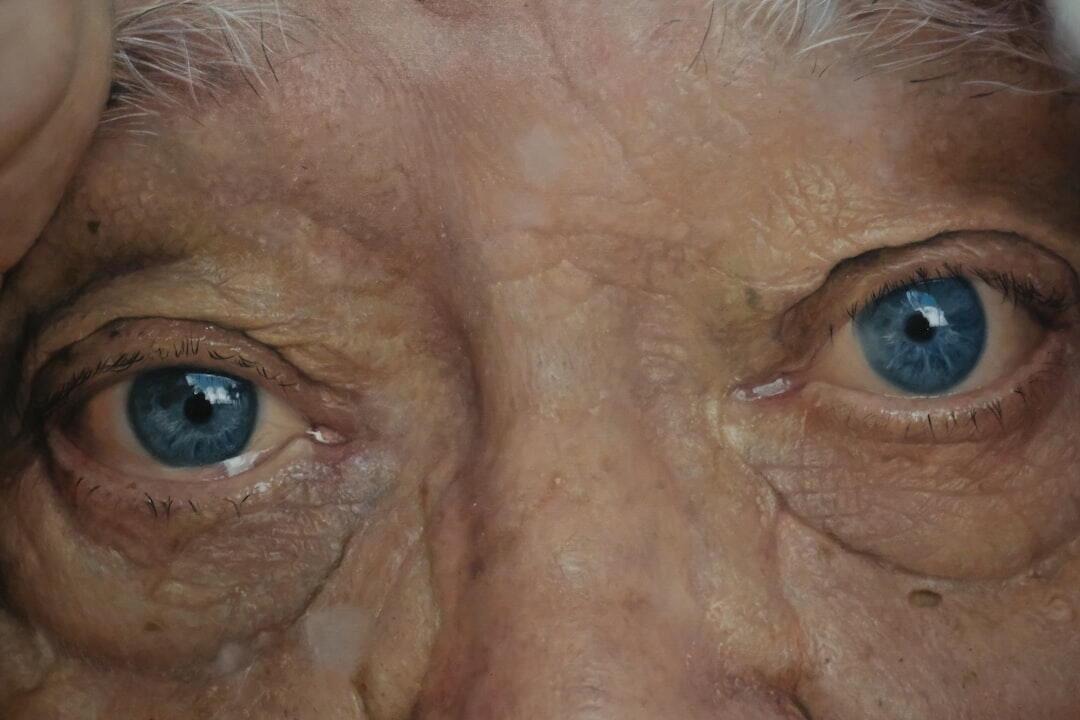
Have you ever noticed how headaches seem to come more often as people get older? For some seniors, these headaches aren’t just random-they may be linked to their eyesight. As we age, our eyes go through many changes, and these changes can affect more than just vision.
They can also play a role in the type and number of headaches we get, including migraines. If you or a loved one has been dealing with both eye problems and head pain, this post is for you. By the end, you’ll understand how age-related eye issues can influence migraines and what to look out for.
How Aging Eyes Can Affect Head Pain
As people grow older, the eyes naturally lose some of their strength. Reading small print, seeing in the dark, or focusing on near or far objects can become harder.
Straining the eyes for long periods can lead to headaches. When this strain continues, some seniors may begin to experience migraine-like symptoms. These are not always easy to link to eye problems unless you know what to look for.
The Connection Between Eye Conditions and Migraines
Several age-related eye conditions can lead to head pain. Glaucoma, for example, increases pressure inside the eye. This pressure may lead to sharp pain around the eyes and trigger migraines in some people.
Macular degeneration, which affects central vision, can also cause the brain to work harder to process what it sees, leading to fatigue and head pain. Dry eye is another common issue that may cause a dull, aching pain behind the eyes. These types of conditions can all play a part in why migraines may occur more often in seniors.
When Cataracts Add to the Problem
Cataracts happen when the lens of the eye becomes cloudy. This makes it hard to see clearly and can cause glare or halos around lights.
Some people may show early signs of discomfort from cataracts, like light sensitivity or needing brighter lighting when reading. Noticing these early signs can help reduce eye strain and lower the risk of headaches and migraines linked to vision problems.
Why Regular Eye Checks Are a Must
Many seniors skip eye exams once they stop driving or reading as much. Eye doctors can spot hidden issues like glaucoma or other changes before they get worse.
Treating these problems can help reduce the risk of migraines. Sometimes, a simple change in glasses or treating dry eyes can bring big relief. Staying up to date with eye care is a smart way to manage both vision and head pain.
Small Lifestyle Changes Can Make a Big Difference
Keeping screens at the right distance, using proper lighting when reading, and resting the eyes often during the day are helpful tips. Drinking plenty of water and using eye drops for dry eyes can also ease discomfort.
Seniors should avoid ignoring early signs of eye trouble, as doing so might lead to more frequent headaches or migraines in the future. A mix of healthy habits and regular care can go a long way in feeling better every day.
What You’ve Learned and Why It Matters
Now you know how age-related eye issues can play a major role in migraines among seniors. From glaucoma to cataracts, these problems don’t just affect vision-they can also bring on painful head symptoms.
Catching the signs early and getting proper care can make a real difference. Staying aware and making smart choices is key to enjoying clear vision and fewer headaches.
Did this guide help you? Browse the rest of this section for more advice on a variety of topics.