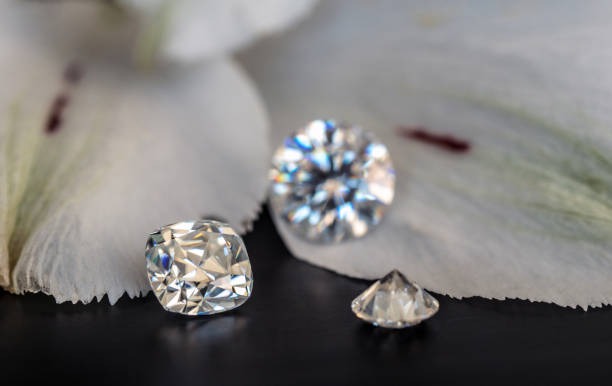
Lab-grown diamonds are revolutionizing engagement rings, offering the same sparkle, durability, and beauty as mined diamonds. These stones are created using advanced technology, replicating the natural diamond-growing process. This value shift reflects modern couples’ priorities for sustainability, ethical sourcing, and affordability without compromising quality. By embracing lab-grown diamonds, engagements blend tradition with innovation, creating a new standard for celebrating love.
Lab-grown diamonds are rapidly transforming the world of fine jewelry, especially in engagements. With increasing couples considering sustainability, value, and ethics as foundational cornerstones of their purchasing decisions, the appeal of lab grown diamond engagement rings continues to soar. These innovative stones provide a compelling alternative to traditional mined diamonds, resonating particularly well with a new generation prioritizing transparency, environmental responsibility, and ethical sourcing. By offering beauty and significance without the burdens often associated with mining, lab-grown diamonds usher in a new era for those seeking meaningful traditions and positive impact.
Unlike the traditional diamond trade, the process behind lab-grown diamond engagement rings empowers couples to invest in a diamond’s timeless symbolism and status without concerns about questionable sourcing or excessive expense. As a result, this movement doesn’t just make diamonds more accessible—it’s fundamentally shifting the cultural narrative around what it means to choose an engagement ring today. Couples no longer feel compelled to abide by conventional rules or marketing-fueled ideals; instead, they’re free to seek a ring that aligns with their unique values and dreams. In this way, lab-grown diamonds are democratizing luxury and rewriting the romance story for the modern era.
Understanding Lab-Grown Diamonds
Lab-grown diamonds are created in controlled laboratory environments using advanced technology to simulate the conditions under which natural diamonds form deep within the Earth. Two primary methods are the High Pressure High Temperature (HPHT) and Chemical Vapor Deposition (CVD). Both processes replicate natural diamond formation, resulting in visually, chemically, and structurally identical gems mined from the Earth. Gemologists often require specialized equipment to detect subtle differences between lab-grown stones and natural ones. Lab-grown diamonds are “real” in every sense, boasting the same carbon structure, durability, and dazzling brilliance. This means couples can choose quality and appearance without sacrificing quality or appearance. Lab-grown diamonds are certified and graded using the same standards as mined diamonds, ensuring a transparent and trustworthy buying experience. This innovation allows shoppers to access the quality, fire, and sparkle they expect while aligning with modern sensibilities.
Affordability and Accessibility
Cost is a significant factor driving the meteoric rise of lab-grown diamonds. Compared to their traditionally mined counterparts, these lab-created stones are typically 20-40% less expensive despite sharing identical visual and gemological properties. This price advantage means buyers can select a larger carat size or opt for superior clarity and color without exceeding their budget, making high-quality diamond rings more attainable for a broader range of people. This reduced cost doesn’t mean a compromise on beauty or durability. Instead, it empowers consumers to express their preferences and creativity with fewer financial constraints, enabling the selection of more elaborate settings, personalized designs, or complementary jewelry pieces.
Wider accessibility also democratizes, breaking down traditional barriers that once confined luxury jewelry to an elite few. Couples who may have previously considered alternatives now have the opportunity to purchase the diamond engagement ring of their dreams—a meaningful and beautiful ring. For those who wish to maximize beauty and value, lab-grown diamonds present a compelling blend of practical advantage and enduring symbolism, making them especially attractive in today’s market, where meaningful investments are more important than ever.
Ethical and Environmental Considerations
The diamond industry has faced scrutiny due to environmental and ethical issues, such as conflict financing, human rights abuses, and environmental degradation from large-scale mining operations. This has led to consumers questioning the source of their diamonds and the impact on communities and ecosystems. Lab-grown diamonds offer a solution, providing peace of mind for couples with conflict-free, less taxing purchases. Lab-grown diamond production reduces destructive mining practices, preventing habitat destruction, water pollution, and soil erosion. Major environmental organizations highlight this to avoid disrupting the ecosystem and human exploitation in troubled mining regions. However, environmental impact can vary depending on production processes and energy sources. Some producers use renewable energy or sustainable practices, while others rely heavily on fossil fuels. As awareness of these nuances increases, consumers invest time in researching suppliers and asking questions about traceability, carbon footprint, and environmental policies. Lab-grown diamonds offer options for values-driven couples, contributing to lasting change in a historically opaque industry.
Changing Consumer Preferences
Engagement ring buyers are shifting priorities to reflect personal values, lifestyles, and aspirations for a better world. Over half of engaged couples choose lab-grown diamonds for affordability, ethical sourcing, and transparency. This shift reshapes the engagement ring market, leading traditional jewelers and newer brands to offer more customizable, transparent, and ethically aligned options. Personalized designs and certificates guaranteeing conflict-free origins are becoming industry standards. Couples seek rings that symbolize love and hope for a more just and sustainable world. This trend is expected to grow stronger, expanding the definition of engagement jewelry in contemporary society.
Impact on the Traditional Diamond Industry
The rise of lab-grown diamonds has led to a shift in the traditional diamond sector, with demand for mined diamonds decreasing. Major brands are launching lab-grown collections and rethinking their marketing strategies to appeal to today’s tech-savvy consumers. Legacy brands focus on emotional value and aim to capture couples’ hearts and business. Established jewelers who embrace transparency, traceability, and innovative offerings are better positioned to thrive. The proliferation of lab-grown diamonds has created a more competitive market, encouraging innovation and modernization in an industry that once thrived on exclusivity. As more traditional retailers adopt lab-grown options, the definition of luxury and authenticity broadens, allowing couples to make choices that reflect their aesthetic tastes and desire to make a positive impact.
Future of Engagement Traditions
As awareness of the benefits of lab-grown diamonds spreads, these stones are poised to become the gold standard for engagement jewelry in the years to come. Today’s couples increasingly value meaning and intention over strict adherence to the conventions of past generations, choosing rings that symbolize enduring love and a commitment to ethics and global responsibility. This evolution away from mined diamonds is more than a simple trend—it signals a broader cultural shift in which sustainability, individuality, and conscious consumerism will define romance and status. By embracing lab-grown diamonds, couples today are setting new traditions that future generations will likely adopt, ensuring that the stories behind their most valued possessions reflect deep emotions and the progress and possibilities of our time.