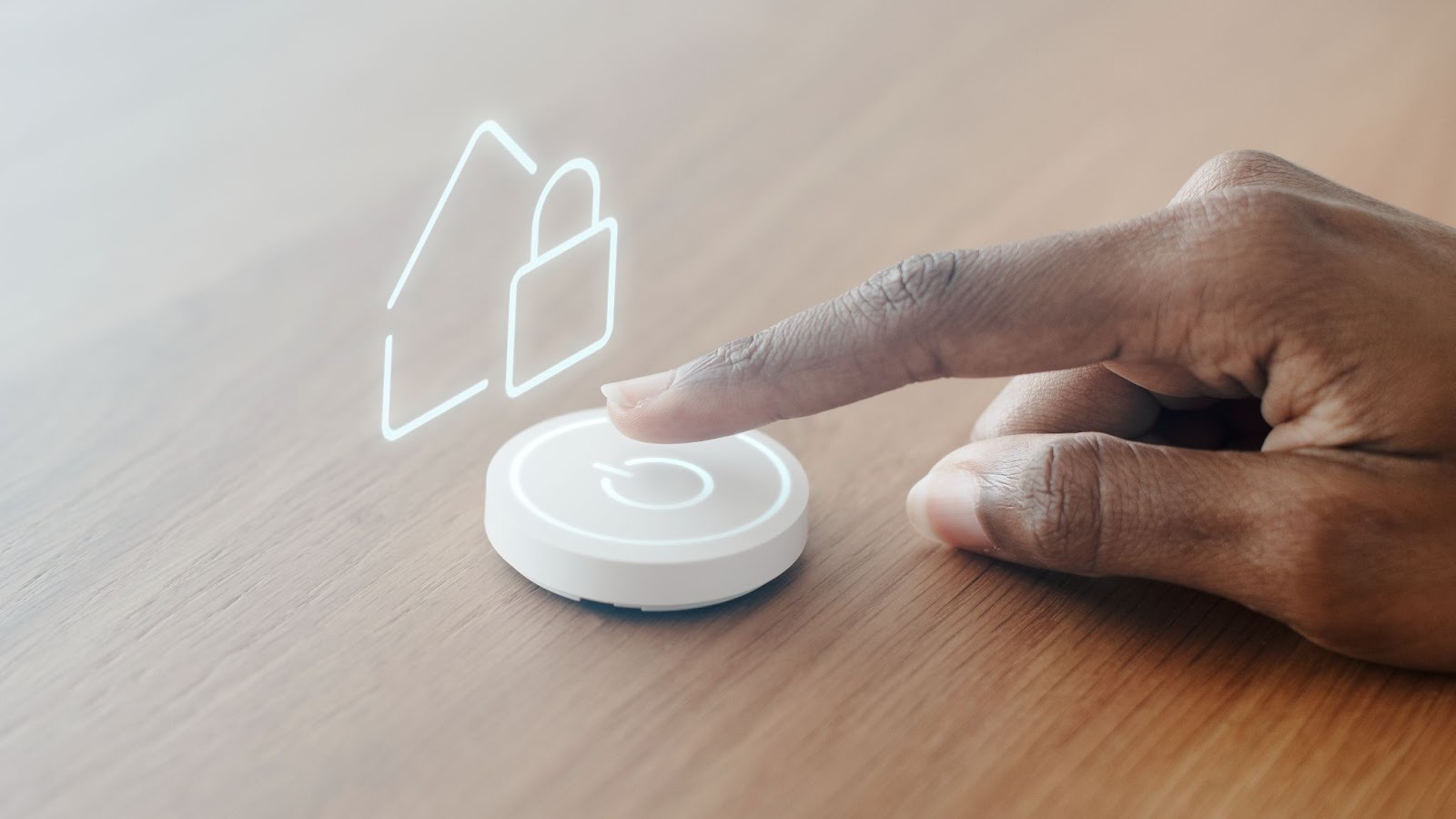
Smart home technology has made its way into everything from lighting and thermostats to security systems, and door locks are no exception. As more homeowners consider replacing traditional mechanical locking systems with smart home lock systems, a key question arises: Are smart locks really safe? Let’s unpack the facts and common misconceptions to help you decide if these digital locks deserve a place in your home security setup.
The Basics: What Is a Smart Home Lock System?
A smart home lock system is an electronic locking mechanism that can be controlled remotely via smartphone apps, voice commands, or even biometric verification. Some integrate with home automation hubs like Alexa, Google Home, or Apple HomeKit. These systems often offer features like keyless entry, guest access codes, activity tracking, and auto-locking timers.
They’re marketed as convenient, modern alternatives to mechanical locking systems, which use traditional keys and cylinders. While both serve the same primary purpose—securing your home—the way they function and the level of control they offer can vary widely.
Myth #1: Smart Locks Are Easier to Hack
This is one of the most persistent concerns—and for good reason. Anything connected to the internet has the potential to be hacked. But the reality is more nuanced.
Fact: Most reputable smart lock brands use end-to-end encryption and security protocols similar to those found in online banking. Additionally, features like two-factor authentication (2FA) add another layer of protection. While no system is 100% hack-proof, modern smart locks are designed with cybersecurity in mind.
The risk of physical break-ins with traditional mechanical locks—through techniques like lock-picking or bumping—is still very real. In that sense, the threat isn’t new; it’s just shifting.
Myth #2: Mechanical Locks Are More Reliable
Mechanical locks have been around for centuries. They don’t rely on power or connectivity, which gives them a reputation for being more reliable in emergencies.
Fact: While mechanical locking systems are generally dependable, smart locks are closing the gap with features like manual key overrides, built-in battery backups, and power alerts. Some models can even draw emergency power from a 9V battery if your internal battery dies. The key here is to choose a smart lock with solid fallback options.
Myth #3: Smart Locks Are Complicated to Use
People often assume smart locks are too technical or difficult to operate, especially for older users.
Fact: A good smart home lock system is designed with usability in mind. Most allow multiple methods of entry: smartphone app, keypad, fingerprint scan, or even a traditional key. User interfaces are getting more intuitive, and setup has become easier, often requiring no more than a screwdriver and a few app steps.
Once installed, many users find them more convenient than mechanical options—no more hiding spare keys or worrying if you locked the door.
Myth #4: If the Wi-Fi Goes Down, You’re Locked Out
This is a common fear with any smart device. If it relies on connectivity, does it stop working when the internet or power is out?
Fact: Many smart locks operate over Bluetooth or use local storage for access codes, meaning they don’t need constant Wi-Fi access. Also, most include manual key access or other offline unlocking methods. While internet outages may limit remote control or notifications, they don’t usually disable the lock entirely.
Where Smart and Mechanical Systems Can Work Together
Interestingly, you don’t always have to choose between a mechanical or smart lock. Hybrid models combine both, giving you the convenience of digital control with the fallback reliability of a physical key.
For example, you might have a smart lock on the front door for frequent access and a mechanical locking system on the back or basement doors for occasional use. This layered approach can enhance both convenience and security.
Making the Smart Move: What to Look For
If you’re considering upgrading to a smart home lock system, keep these key factors in mind:
- Brand reputation and security certifications
- Backup options, like mechanical keys or battery overrides
- Integration with your existing smart home setup
- User access controls and activity logs
- Ease of installation and app usability
Smarter Doesn’t Mean Riskier
Smart home locks are not inherently less secure than traditional locks. In fact, when chosen and used wisely, they can offer greater control, flexibility, and visibility over who enters your home and when. Just like any security system—mechanical or digital—its effectiveness depends on the quality of the product and how it’s maintained.
In short, smart home locks are safe, as long as you’re smart about how you use them.