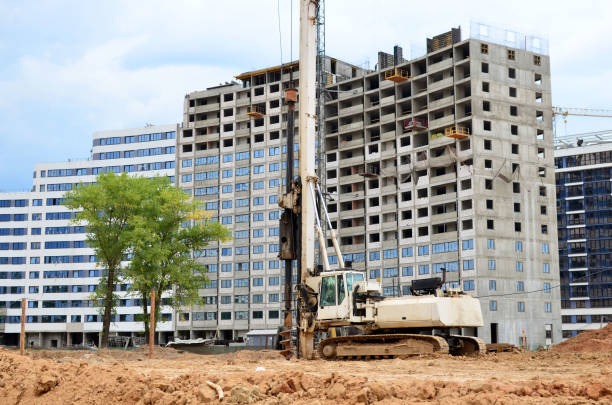
When you’re planning a project that requires serious digging—think foundations, utility trenches, or large-scale grading—knowing how deep your equipment can go is more than just a spec sheet detail. It’s a critical part of staying on schedule and getting the results you want. Excavators are the workhorses of the construction world, but not every machine is suited for every job. So, how deep can an excavator really dig? And when should you start looking into large excavator rentals instead of relying on smaller equipment?
Let’s dig into it.
Excavator Size Class and Digging Depth
Excavators are categorized by their size and operating weight. Generally, the larger the machine, the deeper it can dig. Here’s a quick breakdown of common classes and their average digging capabilities:
- Mini (compact) excavators: These machines are typically under 10 tons and offer a digging depth of around 7–12 feet. They’re great for landscaping, utility installs, and small residential work.
- Mid-size excavators: Usually ranging from 10 to 20 tons, these units can dig between 14 and 18 feet deep. They’re commonly used in commercial construction or light demolition projects.
- Large excavators: Weighing over 20 tons, these machines can reach depths of 20–25 feet or more. They’re designed for serious excavation work, such as road construction, deep trenching, and major site prep.
Some high-end models, especially those used in mining or large-scale infrastructure projects, can reach even deeper with extended arms or long-reach configurations.
Understanding the Limits of Standard Excavators
It’s important to remember that the maximum digging depth listed in an equipment spec sheet is under ideal conditions—flat terrain, perfect positioning, and a fully extended boom. Real-world conditions, however, often introduce challenges like:
- Sloped or uneven ground
- Nearby structures or property lines
- Soil that’s unstable or contains rock and debris
- Restricted swing space or low overhead clearance
These factors can reduce how efficiently an excavator can reach its full depth. So even if a mid-size model technically meets your project’s depth requirement, practical limitations might still require stepping up in size or considering alternative solutions.
When a Mini Excavator Isn’t Enough
Mini excavators are popular for their maneuverability, low weight, and relatively low cost. But if you’re trying to dig deeper than 10 feet, especially in dense soil, you’ll start to notice their limits quickly. Smaller machines often lack the hydraulic force needed to cut through tough ground and may become unstable at deeper depths.
Here are a few signs it’s time to consider something more powerful:
- Your trench depth exceeds 12 feet
- You need to remove large quantities of dirt in a short amount of time
- You’re working in rocky or compacted soil that requires higher breakout force
- You’re using heavy-duty attachments like hydraulic hammers or large buckets
In these cases, large excavator rentals offer the performance you need to keep things moving without delay.
When to Step Up to a Large Excavator
Large excavators are built for demanding projects where depth, speed, and strength matter. Beyond their digging capabilities, they offer additional benefits:
- Stronger hydraulics: This allows for greater breakout force, which is essential when working in dense material or breaking through rock layers.
- Extended reach: Many large models include long-arm or long-reach options that increase both vertical and horizontal digging range.
- Larger buckets: These machines can handle bigger loads, which helps speed up the earthmoving process and improve efficiency across the board.
- Heavy-duty attachments: Large machines are compatible with more powerful tools, including rippers, shears, and augers, making them versatile for multi-phase jobs.
If you’re excavating for basements, bridge piers, retention ponds, or any application that requires precision digging below 20 feet, renting a larger unit may save you from costly delays or rework.
Consider Reach and Dump Height Too
Digging depth is just one part of the equation. Reach and dump height matter just as much—especially if you’re loading debris into trucks, placing material into forms, or working along a trench line.
For example:
- A long-reach excavator might offer over 40 feet of horizontal reach but still require a careful balance of stability and digging angle.
- Dump height can affect how quickly your crew can move material. If your excavator’s boom doesn’t rise high enough to load over the sides of a dump truck, you’ll have to make inefficient workarounds.
By choosing the right size class for your equipment, you can ensure that your machine meets the full set of job requirements—not just the digging depth.
Tips for Choosing the Right Excavator for Your Job
Before selecting equipment for your dig, take the time to evaluate your project with the following in mind:
- Digging depth: Measure your required depth from grade to the bottom of the trench or cut.
- Work environment: Consider the terrain, soil type, and any access restrictions.
- Material volume: How much material needs to be moved and how fast?
- Attachments: Will you need specialty tools like grapples or hydraulic thumbs?
- Rental timeframe: Match your rental to the job schedule to avoid delays or wasted time.
If your job demands more than what a compact or mid-size unit can handle, explore your large excavator rentals options to make sure your site is equipped with the horsepower and reach it needs.
Don’t Forget About Support and Transportation
One overlooked factor when renting a larger machine is how it will get to and from the site—and what happens if there’s a breakdown.
Heavy machinery requires:
- Proper transportation: You may need a lowboy trailer and a driver with the right licensing.
- On-site space: Make sure there’s enough room to unload and maneuver the excavator safely.
- Technical support: Choose a rental provider that offers maintenance, repair response, and customer support for longer-term projects.
Planning ahead for these logistics helps avoid unexpected downtime or safety hazards.
Final Thoughts
Knowing how deep an excavator can dig is a vital piece of planning, but it’s not the only thing that matters. The conditions on your job site, the materials you’re moving, and the efficiency you need all play into the decision of what type of machine to rent.
When your project calls for deeper digs, greater force, or extended reach, large excavator rentals are often the most effective solution. They give you the muscle and capacity needed to tackle demanding excavation jobs without compromising on speed or safety.
By choosing the right equipment for your goals and working with a trusted rental provider, you’ll keep your site moving forward and your crew working efficiently—all while staying within budget and timeline.