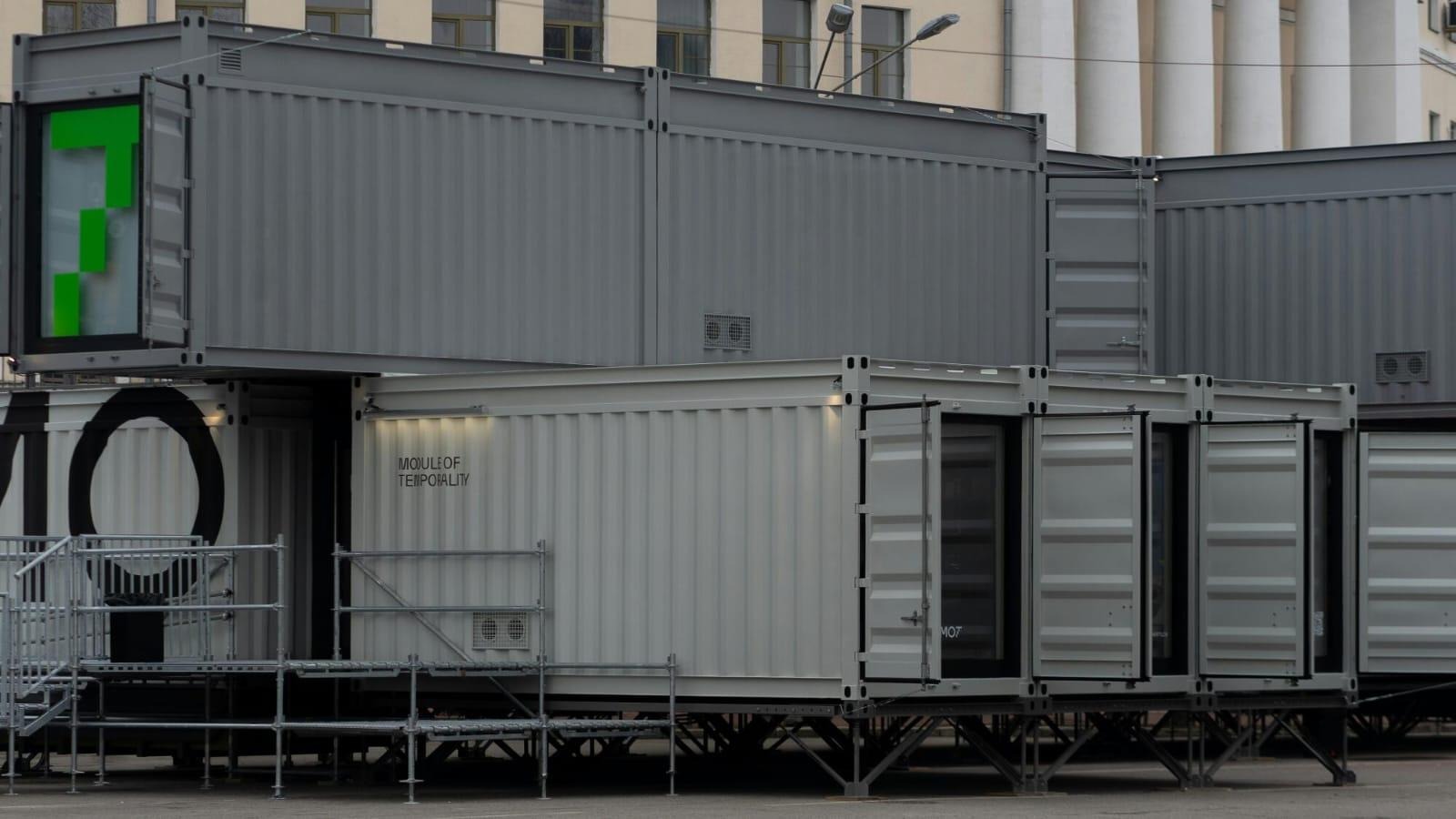
In today’s world, efficiency and cost matter a lot. Transporting modular structures is vital for modern construction and real estate. These structures are often prefabricated and made for easy assembly.
But they bring unique challenges for relocation. Transporting them safely and efficiently needs a solid plan. It also requires the right resources, knowledge, and sometimes special equipment.
Moving modular homes or transporting new builds requires careful planning. Knowing the logistics can make a big difference in a project’s success. Read on to learn more.
Understanding Modular Structures
Before diving into transport solutions, it’s essential to capture what modular structures entail. These buildings are constructed in sections or “modules” that are made in a factory before being transported to their final location.
Key characteristics of modular structures include:
- Quick assembly times due to prefabrication
- Customizable designs adaptable to various needs
- Environmentally friendly options
- Cost-effectiveness
The need for efficient transport solutions for modular structures is rising. So, it’s important to look into different strategies and technologies in the industry.
The Importance of Efficient Transport Solutions
Efficient transport solutions save time and reduce the risks of damage during relocation. Bad transport methods can cause delays, extra costs, and damage.
These issues hurt the project’s timeline and budget. To avoid these issues, many options can help move modular structures. When considering the transport of modular structures, there are crucial factors to keep in mind.
Transportation methods should align with the project’s schedule. Ensuring that the structural integrity of the modules is preserved during transit is vital. Balancing quality and affordability in transportation options can lead to significant savings.
Choosing the right method is essential for anyone who wants to protect their investment in modular structures.
Types of Transport Solutions for Modular Structures
Several transport solutions cater specifically to the unique needs that arise when moving modular structures:
1. Flatbed Trucking
Flatbed trucking is one of the most common methods for transporting modular homes. The open design of flatbed trucks allows for flexible loading and unloading options, minimizing the risk of damage. However, this method may require permits to transport oversized loads, depending on the dimensions of the modules.
2. Specialized Trailers
For larger or more complex modular buildings, specialized trailers designed specifically for transporting oversized structures can be a great choice. These trailers often have the necessary features to secure the modules tightly, ensuring minimal movement during transportation.
3. Rail Transport
In areas where rail lines are accessible, rail transport can be an efficient alternative. Utilizing trains can be a cost-effective way to transport large volumes of modular structures, especially over long distances.
4. Barges and Ships
For coastal or island locations, sea transport may be considered. Transporting modular structures via barges or ships may afford unique logistical advantages, especially for large projects.
Choosing the Right Transport Provider
Selecting a transport provider who understands the intricacies of modular structures is vital. Look for companies with experience in moving these types of buildings.
Research past projects and client feedback. Ensure the transport company has adequate insurance coverage. Investigate the availability of specialized equipment designed for transporting modular structures.
Request detailed quotes and compare costs to ensure affordability. Choosing a partner who specializes in modular structure transport can lead to smooth, efficient relocations.
Challenges in Transporting Modular Structures
While transporting modular structures has clear advantages, it also comes with its challenges. Factors such as weather conditions, road restrictions, and potential damage during transit can complicate the process.
Severe weather can prevent transport schedules from being upheld, leading to costly delays. Many roads have limitations regarding load size and weight, complicating transport routes. Protecting the modules during transit and ensuring that they arrive in perfect condition requires careful planning and execution.
These challenges necessitate careful planning and contingencies to avoid unexpected obstacles.
Strategies to Mitigate Transport Risks
To ensure smooth transportation of modular structures, consider implementing strategies that minimize risks. Inspect the modules before shipping to identify potential issues.
Keep an eye on weather forecasts to anticipate delays and adjust schedules accordingly. Always confirm the best routes beforehand, including any potential road restrictions.
These strategies can reduce risks when transporting modular structures. This leads to better and more predictable results.
Cost Considerations in Transporting Modular Structures
Understanding the financial implications of transporting modular structures is crucial to ensuring a successful project. Various factors influence transportation costs, which can include:
- Distance
- Load Size
- Permits
Every element affects the final price. So, it’s important to consider all factors before proceeding.
The Future of Transport Solutions for Modular Structures
The future of transport solutions for modular structures looks bright due to new technology. New logistics innovations, such as automated vehicles and improved tracking technology, will transform how we transport modular structures.
As modular buildings become more popular, finding modern transport solutions is key. Keeping an eye on industry trends and emerging technologies can better position businesses and homeowners looking to find the most affordable modular homes without the stress of transportation logistics.
Connecting Buyers with Solutions
The demand for modular structures is changing the construction industry. Now, buyers need easy access to affordable options. Brokers and specialized firms often play a critical role in this process, helping buyers navigate the landscape of available modular homes.
Being informed about transport solutions is essential for buyers, homeowners, and developers. Keeping informed ensures that any relocations or movements of modular structures happen seamlessly and on budget.
Also, with a good strategy, businesses can provide affordable modular homes. They can manage the logistics well, too.
Ensuring Efficient Movements of Modular Structures
Ensuring that modular structures are transported efficiently not only streamlines the process but also adds significant value to the entire project. By understanding the available transport options, selecting the right provider, and anticipating challenges, stakeholders can minimize risks and reduce costs.
As the interest in modular structures grows, so will the available transport solutions tailored to these unique buildings. Make informed decisions to enhance the overall success and effectiveness of your modular structure relocation project.
For more helpful tips, check out the rest of our site today.