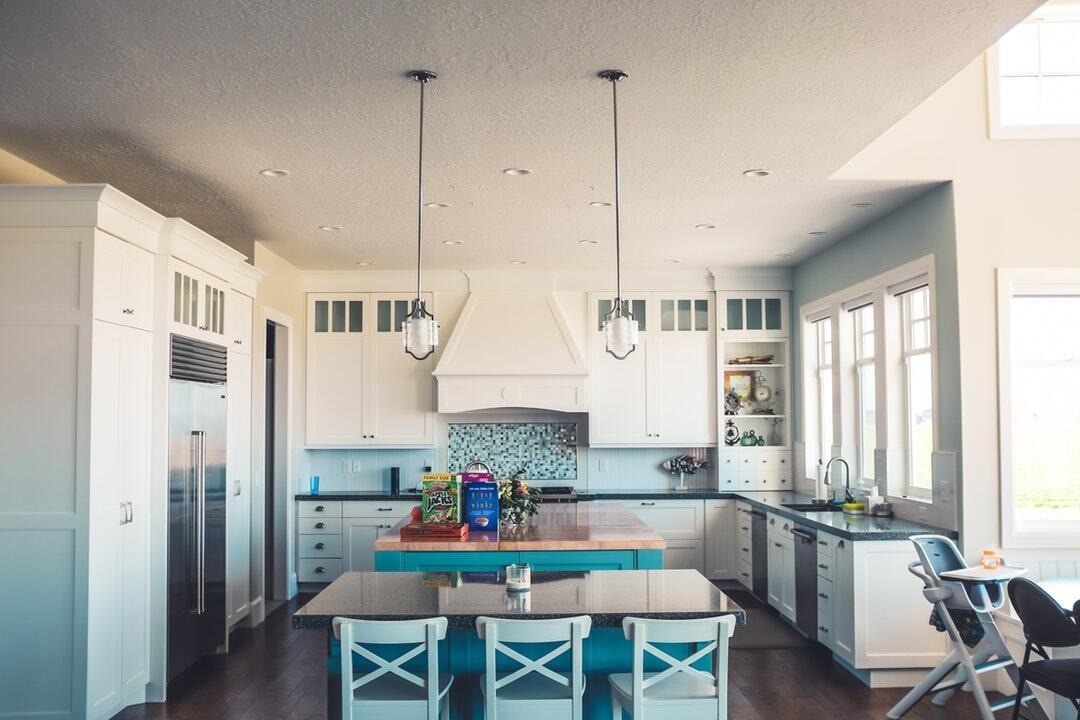
Building your dream space starts with a clear idea. It’s more than a project-it’s something personal. Every choice shapes the final result.
The steps to build your dream space can feel big at first. But with the right path, your vision can come to life. Here’s how it all comes together, one step at a time.
Site Evaluation and Selection: Choosing the Right Location
Finding the right location is one of the most important early decisions. The land should support your design and suit your needs now and in the future. Consider access to roads, water, power, and how the area fits your overall goals.
Look at how sunlight hits the land and how water drains during storms. These small details affect comfort and future maintenance. The right location will support a strong structure and easier daily use.
Visit the site more than once and at different times of day. You’ll notice how light changes, how quiet it is, and if the view is what you expect. A solid site choice gives your dream space a reliable start.
Setting a Realistic Budget: Balancing Dreams and Costs
A clear budget guides every decision. It should include the cost of land, labor, materials, fees, and finishing items. Adding a buffer for unexpected costs gives you room to adjust without stress.
Budgeting is about understanding your limits and goals. Keeping track of money from the beginning helps avoid surprises later. Make sure the numbers reflect your design priorities and long-term needs.
Smart planning protects the project from overspending. Use quotes from professionals to shape accurate totals. Balancing your dream with your budget keeps the vision on track.
Assembling the Right Team: Hiring Architects and Contractors
The right team brings your ideas to life. Architects help you shape the design, while contractors carry out the work. Make sure both understand your goals and communicate clearly.
Ask to see past projects before you commit. Check references and confirm that they are licensed and insured. A good relationship with your team leads to smoother progress.
Hiring an experienced home builder can improve the entire experience. They often manage everything from planning to final steps, helping avoid delays and errors. Choosing a team with proven skills means your project is in expert hands.
Navigating Permits and Legal Requirements: Staying Compliant
Every location has its own set of building rules. Before construction begins, permits must be approved by local authorities. Missing this step can lead to costly delays or legal problems.
Zoning laws, building codes, and safety standards all apply to custom homes. It’s important to follow them from the start to avoid changes later. Work with professionals who understand the local requirements.
Permits can take a long time to process, so it’s important to plan. Some permits may be needed for different stages of construction. Staying compliant keeps your project on track and legally protected.
Creating Detailed Blueprints: Laying the Technical Foundation
Blueprints are the foundation of the entire build. These drawings show every detail of your dream space, including layouts, sizes, and systems. A solid plan makes each phase clear for everyone involved.
Architects and engineers use blueprints to coordinate each part of the build. Every measurement, outlet, and beam must be exact. A good blueprint reduces errors and saves time during construction.
Accurate plans are also needed for permits and inspections. Without them, work may be delayed or rejected.
Selecting Materials and Finishes: Matching Style with Function
Choosing materials affects the final look and feel of your space. Think about how each part will be used and how long it will last. Quality materials support both comfort and strength.
Top-of-the-line materials may cost more but offer greater value over time. They require less upkeep and hold up under daily use. Long-lasting choices mean fewer repairs and updates later.
Your finishes reflect your taste. From flooring to lighting, every detail should match your overall style. Good design blends beauty with use for a space that feels right.
Breaking Ground: Beginning the Construction Process
Once permits are ready and plans are set, construction begins. The land is cleared, the foundation is poured, and framing takes shape. Each part must follow the blueprint exactly.
This stage includes installing support systems like plumbing, wiring, and HVAC. Careful attention here ensures everything works correctly later. Inspections often take place during this time.
Site managers should check progress daily to keep things moving. Any delays or changes must be handled quickly. Staying on schedule protects your timeline and your budget.
Managing the Build: Staying on Schedule and Budget
Active management is key to avoiding setbacks. A timeline shows what should happen and when. Regular updates help keep the team focused and aligned.
If issues arise, solve them quickly to stay on track. Keep communication open between you and your builder. Problems are easier to fix when caught early.
Costs must also be reviewed often. Compare what’s spent against what was planned. Tracking expenses helps you make smart choices as the project moves forward.
Interior Setup and Custom Features: Bringing Personality In
As the build nears completion, the inside work begins. Cabinets, fixtures, and flooring all contribute to creating a complete space. These choices define how your home looks and feels.
Custom features turn a house into your personal space. Built-ins, smart controls, and design accents reflect your lifestyle. Every item should match the plan and your vision.
Pay attention to the small details during this time. Finishes, textures, and colors all affect the final result. The right choices give your home a polished, lasting look.
Final Walkthrough and Move-In: Making the Space Yours
Before you move in, a final walkthrough takes place. This is your chance to inspect the work and report anything that needs fixing. Go room by room and check for small details.
The builder should correct any issues quickly. Once complete, the space is officially yours. Now you can begin to make it your own.
Moving in is the last step in the journey. The work is done, and your dream has taken shape. It’s time to enjoy the space you imagined from the start.
Turning Your Dream Space Into Everyday Living
Your dream space is more than walls and finishes. It reflects your choices, time, and effort from start to finish. Now it’s ready to support how you live every day.
Walk into your space with confidence and pride. Let it grow with your needs and reflect who you are. Begin the next chapter by enjoying what you built, step by step.
Did you find this article helpful? Visit more of our blogs!