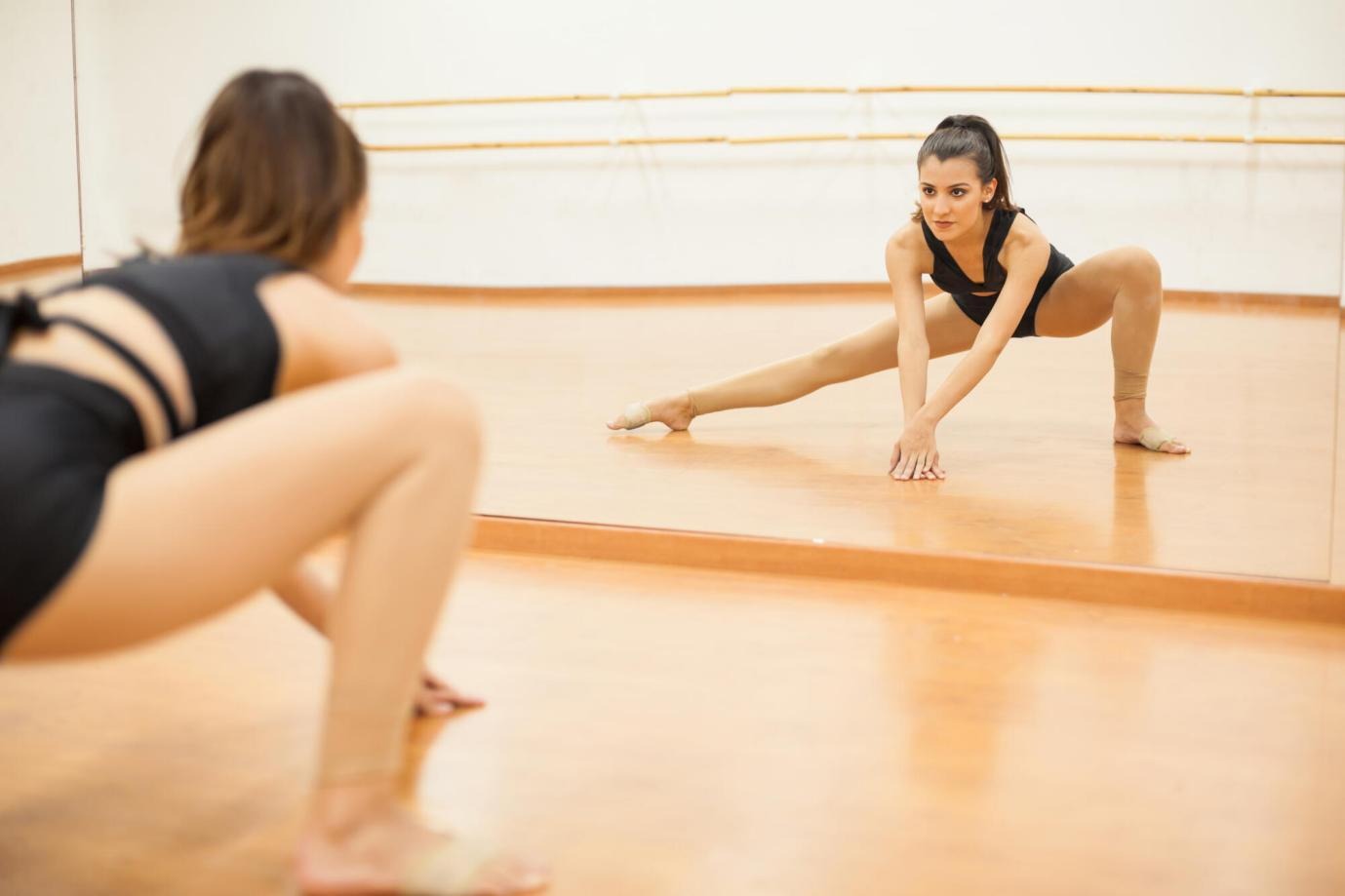
When people think about dancing, they usually picture the moves, the music, or the costumes. But there’s something just as important that often gets overlooked-the floor. The type of flooring dancers use can make a big difference in how well they perform and how safe they are.
A good dance floor helps dancers move better, feel more confident, and avoid injuries. In this article, we’ll look at why having the right kind of dance flooring matters so much for performance, health, and overall success in dance. Read on.
The Anatomy of a Dance Floor
A dance floor isn’t just any flat surface. Professional dance floors are typically made up of multiple layers designed to absorb shock, provide traction, and support various movement styles. There are two main types of dance floors:
Sprung Floors
These are designed to offer shock absorption and reduce the risk of injury. They provide a slight “give” under pressure, helping to cushion landings and reduce joint stress.
Vinyl or “Marley” Surfaces
These top layers vary in texture and grip and are chosen depending on the style of dance. For instance, ballet dancers may prefer a smoother Marley for effortless gliding, while hip-hop dancers might need more grip for quick directional changes.
The optimal dance flooring combines these elements to cater to both the style of dance and the physical demands placed on the dancer’s body. Make sure to consult experts when choosing a marley floor.
Injury Prevention and Physical Wellbeing
One of the most direct ways quality flooring impacts performance is through injury prevention. Poor flooring-such as concrete or worn-out wood-can lead to a host of injuries, including:
- Shin splints
- Stress fractures
- Tendonitis
- Knee and back injuries
A properly sprung floor absorbs a significant portion of the impact from jumps and other high-intensity movements. This helps preserve joint health and prevents the long-term wear and tear that leads to chronic pain or career-ending injuries. Especially for younger dancers whose bodies are still developing, and older dancers maintaining their practice, flooring can make a dramatic difference in health and longevity.
Enhanced Movement and Technique
Quality dance flooring can greatly enhance a dancer’s ability to execute movements correctly and artistically. Dance relies on a delicate balance between friction and glide. A floor that is too slick can lead to slips and falls, while a floor that is too sticky may prevent proper turns, spins, and slides.
For example:
Ballet dancers need a surface that allows them to pivot and turn en pointe without too much resistance, yet still provides enough grip to prevent sliding out of control. Contemporary dancers often move from standing to floor work fluidly. They need a surface that supports that transition without bruising or slipping.
Tap dancers require a surface that resonates sound well without being too hard on the feet. If the flooring doesn’t match the movement style, it can hinder performance by limiting freedom of expression and the ability to execute techniques cleanly.
Psychological Confidence and Performance Quality
Dancers often perform at their best when they feel confident and secure in their environment. Flooring plays a key role in fostering that confidence. Knowing the floor will support a landing, provide consistent traction, and reduce the risk of falls allows dancers to focus on artistry rather than safety.
A dancer’s psychological state directly affects performance. Fear of injury or inconsistency in footing can lead to hesitation, altered technique, and diminished emotional expression. In contrast, a reliable, high-quality floor encourages full commitment to movements, especially in high-stakes environments like:
- performances
- auditions
- competitions
Flooring and Longevity in Dance Careers
Dance is physically demanding, and careers can be cut short due to overuse injuries or joint degeneration. Investing in quality flooring is one of the most impactful long-term strategies to protect dancers’ health and extend their careers.
Studios and performance spaces that prioritize dancer wellbeing by installing proper flooring send a clear message: the art and the artist matter. This not only helps retain talented dancers longer but also supports a culture of care and professionalism within the dance community.
Considerations for Different Dance Styles
Different styles of dance have unique flooring needs:
Ballet and Contemporary
Require sprung floors with a smooth but not slippery Marley surface. Cushioning is key for jumps and pointe work. Without proper flooring, dancers may struggle with balance and risk injury during turns and landings.
Tap and Irish Dance
Need hard floors that amplify sound but still offer enough give to protect joints. The right surface also enhances rhythm clarity and improves the overall sound quality of each step.
Hip-Hop and Street Dance
Benefit from surfaces that allow for sliding, spinning, and quick stops without excessive grip or stickiness. A floor that’s too grippy can increase the risk of twisted ankles or hinder fast footwork.
Ballroom
Requires smooth floors with just the right level of friction to allow gliding while maintaining control. Slippery or uneven flooring can disrupt the flow of movement between partners and increase the chance of falls.
Portable and Temporary Flooring Solutions
For traveling performers or temporary spaces, portable dance floors are a growing solution. These modular systems offer many of the benefits of a permanent dance floor-such as shock absorption and surface consistency-while being easy to transport and install. However, they must still meet high standards to ensure dancers are adequately protected and supported.
Environmental and Economic Factors
Modern dance flooring also needs to meet sustainability standards. Many manufacturers now offer eco-friendly options using recycled materials or reducing emissions during production. While quality flooring represents a significant upfront investment, it reduces long-term costs related to injury, medical leave, and facility maintenance.
Studios that cut corners by installing subpar flooring may see higher turnover rates, lower dancer satisfaction, and increased liability risks. In contrast, those that invest in top-tier flooring often report improved student performance, higher enrollment, and greater retention.
The Foundation of Great Dance
A good dance floor does more than just give dancers a place to move-it supports them in every way. It helps prevent injuries, makes movements smoother, and gives dancers the confidence to perform at their best.
Whether you’re a beginner or a professional, having the right flooring can make a big difference in how you dance and how long you can keep dancing. Investing in quality flooring isn’t just smart-it shows that you care about dancers and their future.
If you want to read more articles, visit our blog.