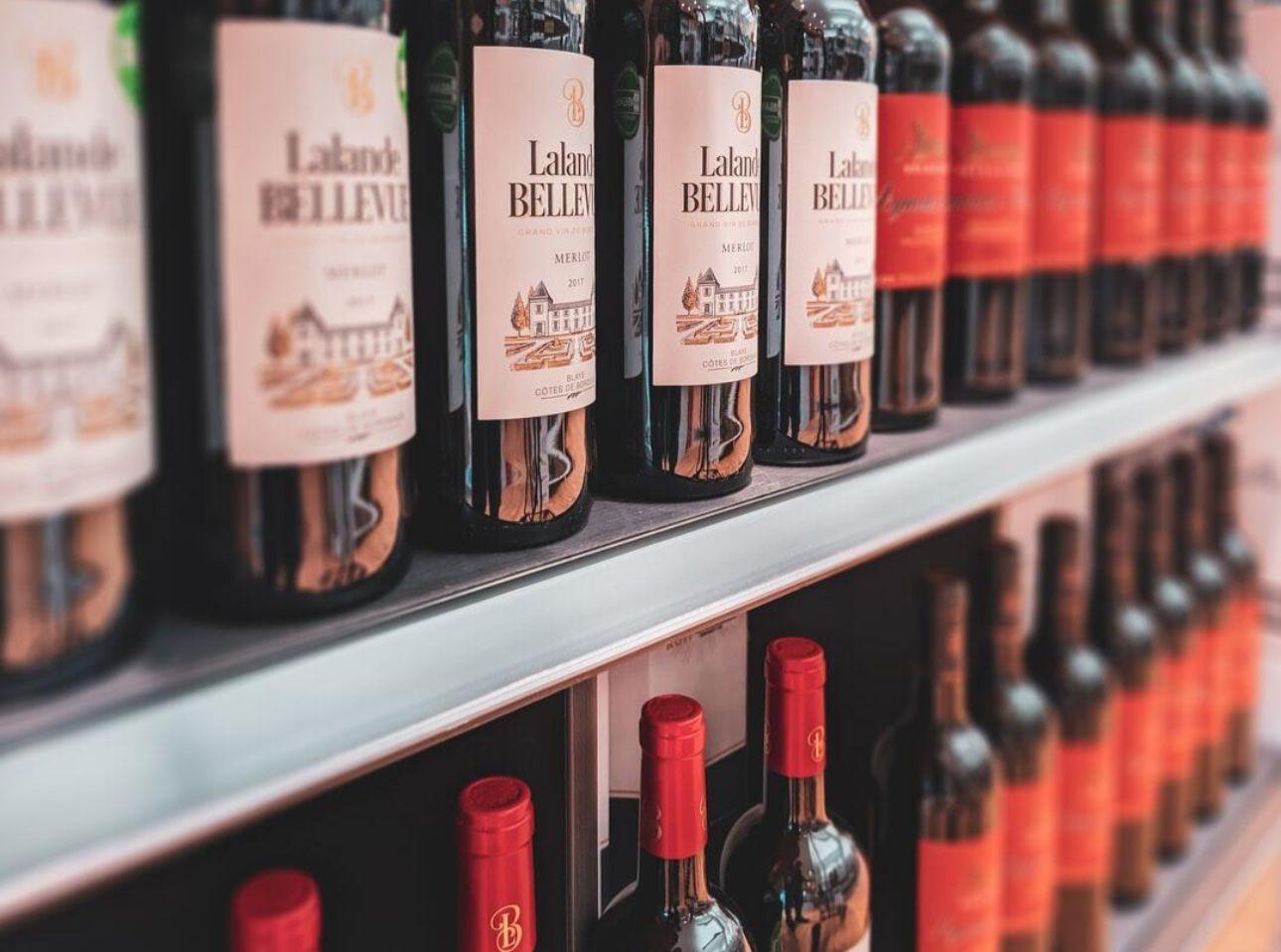
Wine is more than just a drink; it’s an experience that depends on quality, timing, and care. But how does a bottle make its way from a vineyard in France or Napa Valley to a shelf or dinner table across the world?
Wine logistics and distribution have become more advanced than ever. What are the latest trends to make sure your wine stays fresh, safe, and on time? Let’s take a closer look at what’s driving change in wine delivery from vineyard to glass.
Cold Chain Technology for Freshness
Cold chain systems are becoming essential in wine logistics. These systems help control the temperature from storage to delivery. Wine is sensitive to heat, so keeping it cool helps maintain its taste and aroma.
Many shippers now use refrigerated containers and trucks. This protects wine quality during long trips, especially in warm climates. Cold chain tech is no longer just a luxury; it’s a must for serious wine distributors who value consistent quality.
Digital Tracking and Real-Time Data
Digital tools now allow better tracking of wine shipments in real time. Distributors can monitor location, temperature, and delivery times using GPS and sensors. This data helps solve problems quickly if delays or temperature issues happen.
It also builds trust with customers who want to know where their wine is and how it’s being handled. Real-time data is helping raise standards across the wine delivery chain.
Fine Wine Transit Services on the Rise
With more people collecting wine or ordering rare bottles, fine wine transit services have become more common. These services are designed for high-value wines that need special care. They often include custom packaging, insurance, and expert handling.
This protects both the wine and the buyer’s investment. As wine buyers demand more from shipping, fine wine transit services offer peace of mind and professional delivery that meets high expectations.
Eco-Friendly Packaging and Shipping
Sustainability is becoming a top priority in wine logistics. Companies are switching to lighter bottles and recyclable materials to lower carbon emissions. Many now use paper-based or compostable packaging.
Some distributors even offer carbon-neutral delivery options. Eco-friendly changes not only help the planet but also attract environmentally-conscious buyers. As demand grows, expect green practices to become a standard in wine delivery.
Local and Direct-to-Consumer Models
More wineries are shipping directly to customers instead of using large warehouses. This shortens the supply chain and reduces storage costs. It also gives wineries more control over how their wine is handled.
Many use online platforms to reach buyers across the country. This model is growing fast, especially for smaller wineries looking to build closer ties with their customers. It’s a win-win for both producers and wine lovers.
The Future of Wine Distribution Is Smart and Careful with These Trends in Wine Logistics and Distribution
Wine logistics and distribution are evolving quickly to meet modern needs. From high-tech tracking to eco-friendly packaging, each step is now carefully planned. These changes not only protect wine but also improve the customer experience.
Whether you’re a collector or a casual drinker, these trends make sure your wine arrives in top shape. As more people enjoy global wines, smart logistics will keep playing a key role in how wine is enjoyed around the world.
Enjoyed this read? Check out our blog for more articles on wine, travel, home design, and other exciting topics.