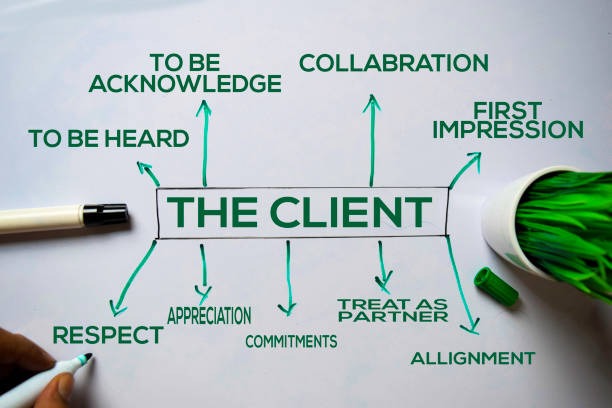
How can REALTORS effectively show appreciation to their clients beyond typical transactions? Appreciation events for clients offer a way to acknowledge their support and maintain strong professional relationships. These gatherings help foster ongoing connections and provide meaningful opportunities for clients to engage. Understanding different approaches can help in organizing events that cater to various preferences and needs.
Planning an event begins with considering its purpose. Some client appreciation event ideas for REALTORS may focus on informal socializing, while others might include educational elements. Aligning the event’s goals with the audience’s expectations is important to encourage participation and engagement.
Setting the Foundation for Successful Events
Several practical factors need attention before deciding on specific ideas. Identifying who will attend allows for customization that reflects client interests and demographics. A clear understanding of the client base informs choices about location, timing, and activities.
Budget considerations also play a role. Determining the amount helps guide decisions on venues, catering, and entertainment. It is helpful to account for all potential costs early to avoid last-minute adjustments.
Choosing an appropriate time is essential for maximizing attendance. Selecting dates that avoid holidays or known busy periods improves the chances of client participation. Weekends or early evenings work well, but preferences vary depending on the local community.
Exploring Types of Client Appreciation Events
Various formats can work depending on the setting and the client profile. Informal gatherings such as casual meetups or small receptions provide relaxed environments for interaction. These types of events allow conversations to flow naturally without a rigid schedule.
- Educational events: Educational events provide information that might interest clients while encouraging attendance. Workshops or seminars on homeownership, market trends, or property maintenance offer practical value. Such formats appeal to clients seeking knowledge and foster a professional atmosphere.
- Themed events: Themed events add a distinct character that can make occasions more memorable. Seasonal celebrations, for instance, can be tied to holidays or community activities. Other themes include game nights or charity fundraisers, encouraging participation through shared interests.
- Outdoor Events: Outdoor activities are another alternative. Golf outings, nature walks, or community service projects invite clients to engage in different settings. These options may suit groups that appreciate active or social experiences beyond traditional gatherings.
- Virtual Events: Virtual events have become increasingly common, offering flexible options for wider client access. Online classes, webinars, or virtual tours allow participation from various locations. They can complement in-person events or stand alone when circumstances require remote interaction.
Key Steps in Planning an Event
Planning should begin with outlining the primary objectives. Whether the aim is to acknowledge client support, share information, or connect, clarity helps guide the process. This clarity also supports making decisions that align with the desired outcomes when considering event ideas for REALTORS.
- Creating a guest list follows, balancing recent clients with long-term contacts. Including a diverse range ensures opportunities to nurture relationships with different client groups. Maintaining up-to-date contact information supports smooth communication.
- Invitations should be clear and provide essential details such as date, time, location, and RSVP options. The format of invitations may vary, with emails being common for convenience, while printed cards can add a formal touch. Early invitations allow guests to plan, improving attendance rates.
- The program and activities require thoughtful organization to maintain interest. Incorporating time for informal conversation alongside planned segments creates balance. Including brief remarks or presentations can add context without dominating the event.
- Catering and refreshments often influence client comfort. Offering a selection that considers shared dietary preferences helps accommodate guests. Whether choosing simple snacks or full meals, appropriate service adds to the overall experience.
- Depending on the event type, entertainment or presentations can enhance engagement. Live music, guest speakers, or interactive games may suit some settings. Selecting options that complement the event’s tone contributes to a cohesive atmosphere.
- Attendees can be provided with materials such as informational brochures or small gifts. These items may include relevant real estate information or branded keepsakes. Thoughtful distribution can reinforce connections without appearing overly promotional.
Following up with guests after the event is beneficial. Sending thank-you notes or sharing highlights acknowledges attendance and encourages ongoing contact. Inviting feedback can offer insights for future planning and demonstrate attentiveness.
Considerations for Creating a Positive Atmosphere
The environment of the event influences how clients perceive it. Selecting comfortable, accessible, and appropriate venues supports a welcoming experience. Attention to details like lighting, seating, and layout helps facilitate interaction. Personalization contributes to making clients feel valued. Simple gestures such as addressing guests by name or remembering preferences show attentiveness. Incorporating elements related to client interests can make the event more meaningful.
Maintaining a professional yet friendly tone encourages open communication. Approachable and attentive staff or hosts contribute to a positive dynamic. Balancing formality with warmth helps set the right mood for engagement. Incorporating subtle branding or information about services can be done thoughtfully. Rather than overt promotion, providing valuable materials or displays naturally informs clients. This approach respects the event’s focus on appreciation rather than sales.
Event Ideas for REALTORS
Examples of client appreciation event ideas for REALTORS can be tailored to suit different client groups and objectives. For example, hosting a casual outdoor barbecue allows informal socializing in a relaxed setting. It offers an opportunity for clients to connect with the REALTOR. Organizing a workshop on home maintenance tips can appeal to homeowners interested in practical advice. Such sessions provide value without pressure and can be held virtually in community spaces. Offering take-home materials complements the learning experience.
Seasonal gatherings such as a holiday open house or summer picnic create a festive atmosphere. These events can incorporate themed decorations, activities, and refreshments that align with the time of year. Including family-friendly options can broaden appeal. Virtual events have become a practical alternative or complement to in-person meetings. Hosting webinars on market updates or virtual tours of new listings enables engagement without travel. Interactive elements, such as Q&A sessions, help maintain interest.
Extending Client Appreciation Beyond Events with Marketing Strategy
Client appreciation events offer valuable opportunities to engage with and personally thank clients. Alongside these occasions, many real estate professionals maintain ongoing communication through mailed materials such as postcards, newsletters, or seasonal greetings. These direct mail efforts offer a consistent, low-pressure way to reinforce relationships throughout the year. Using events and direct mail can help agents sustain connections and support client retention over time.
Careful preparation, thoughtful details, and clear communication contribute to a positive experience. These events support relationship management by acknowledging client support and maintaining engagement. Balancing professionalism with approachability ensures the events align well with broader client interactions.