Building your startup can feel like an uphill race; funding rounds, pitches, and product releases come quickly after each other. But in your hustle to stay afloat and survive mode, it can be easy to forget who makes everything move: your team. And not just the team itself, but how you build around them.
That’s why a lot of young companies are skipping the traditional office route and leaning into more flexible options like coworking spaces for startups in the Bay Area. It’s not just about saving rent. It’s about setting your team up for something better.
Why Space and Structure Matter Early On
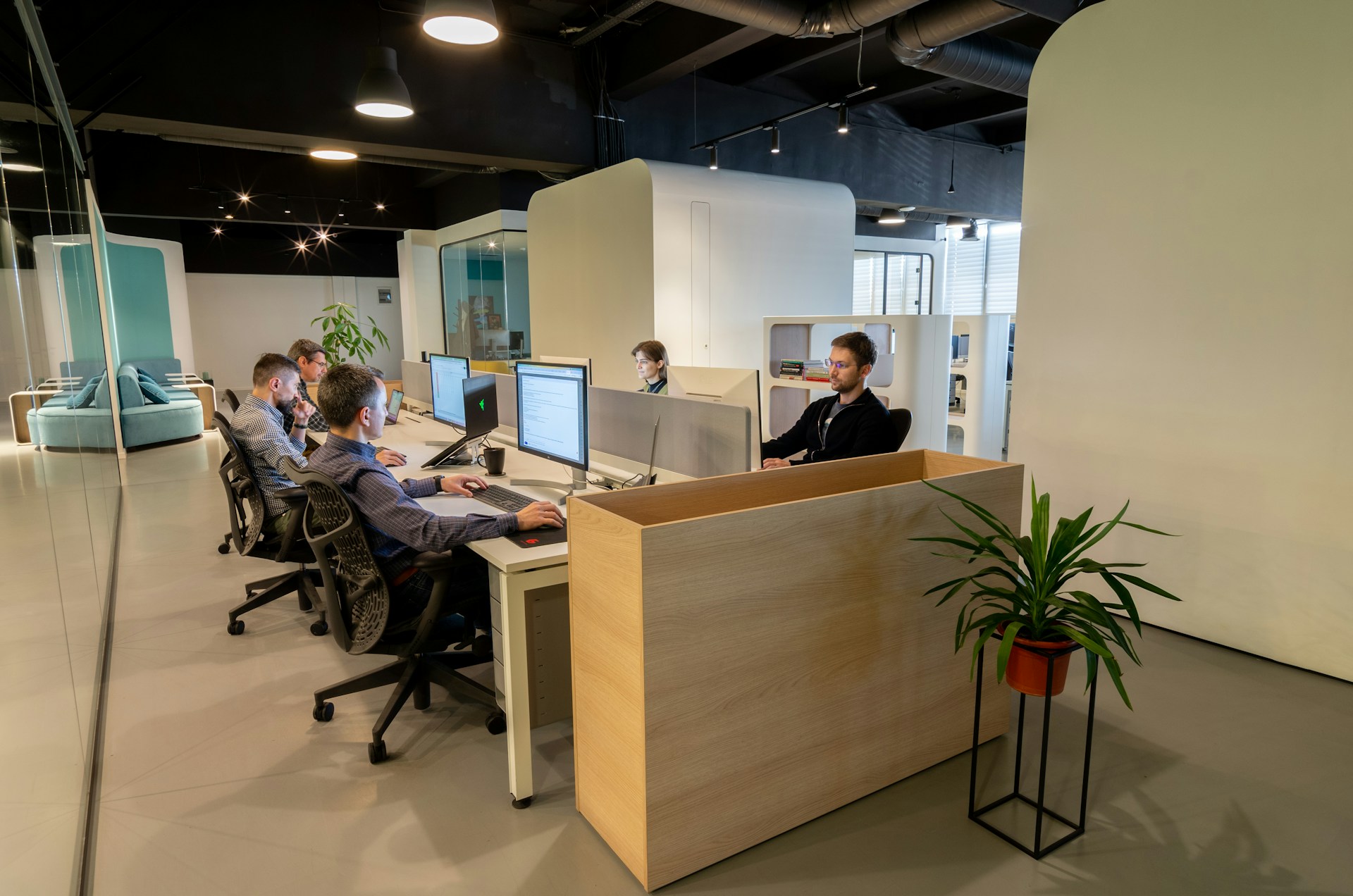
Your startup probably doesn’t need a ping pong table. But you do need space that works for the way your people work. If you’re constantly adjusting strategy, switching teams around, or onboarding new hires, then your workspace should be able to move with you.
Think about it: every team member you bring on changes your company’s rhythm. Some need quiet. Others thrive on collaboration. If your space is rigid, it starts to get in the way. A cluttered setup leads to poor communication. People avoid each other. Deadlines get missed. And suddenly, it’s not just the office layout that’s hurting—you start to feel it in the work.
When you’re just getting started, you don’t need fancy. You need to be functional. A good layout, decent lighting, and the right mix of private and shared zones. These details matter more than you think.
Finding the Sweet Spot Between Freedom and Flow
One of the biggest challenges as a founder? Balancing freedom with team cohesion.
You want people to feel trusted, right? Nobody likes being micromanaged. But if everyone’s pulling in different directions, chaos creeps in fast.
It starts with communication. And that comes from having intentional systems. Set regular check-ins, daily or weekly. Make sure roles and responsibilities are clear. When everyone knows what’s expected, it’s easier to stay aligned, without hovering over shoulders.
Hybrid and remote setups make this trickier. But not impossible. Actually, some of the best startup teams are figuring out how to use their space strategically. Like having specific days when everyone comes in, or creating meeting zones where real collaboration can happen face-to-face.
It’s about designing a rhythm that gives people space to breathe—but also keeps them rowing in the same direction.
Build the Culture, One Habit at a Time
It’s not about grand gestures. Culture is built in the little things.
That five-minute morning stand-up? It helps your team start the day with intention. A shared Google Doc where everyone adds weekly wins? That creates a sense of progress. Rituals like these shape how your team sees itself, not just as workers, but as part of something bigger.
Even where you meet matters. In-person catch-ups once a week. A shared kitchen where spontaneous ideas spark. The whiteboard that somehow always has a joke scribbled in the corner. These aren’t just details. They become part of your identity as a team.
Tools help too—Slack channels that aren’t just for work, Trello boards that make projects visible, and dashboards that show real-time goals. But don’t overcomplicate things. Keep it simple. Use what actually fits your team’s energy.
Because the best tools in the world won’t save a misaligned team. What keeps people connected is shared meaning, not shared software.
Mistakes Founders Make (That You Can Skip)
Many founders spend more time designing pitch decks than designing their team’s work life.
They assume people will “just figure it out.” But they don’t. And when things start slipping, they chalk it up to hiring mistakes, not system gaps.
Don’t fall into that trap. Be intentional. Create structures, even loose ones, that help people feel safe, focused, and part of a mission. It’s not soft. It’s smart. When your team feels supported, they bring more of themselves to the table.
Burnout, confusion, and slow progress usually don’t come from a lack of talent. They come from a lack of clarity. You can fix that.
Conclusion
Designing a successful startup involves more than product and strategy; it is about people and how the environment affects them. Clever founders take great care to consider every tiny detail–from selecting an appropriate location, setting the right rhythms, or developing habits that foster focus and productivity. They treat culture like an integral component. They build a collaborative work culture from day one. Because the companies that grow fast and last long are the ones where the team is tight.