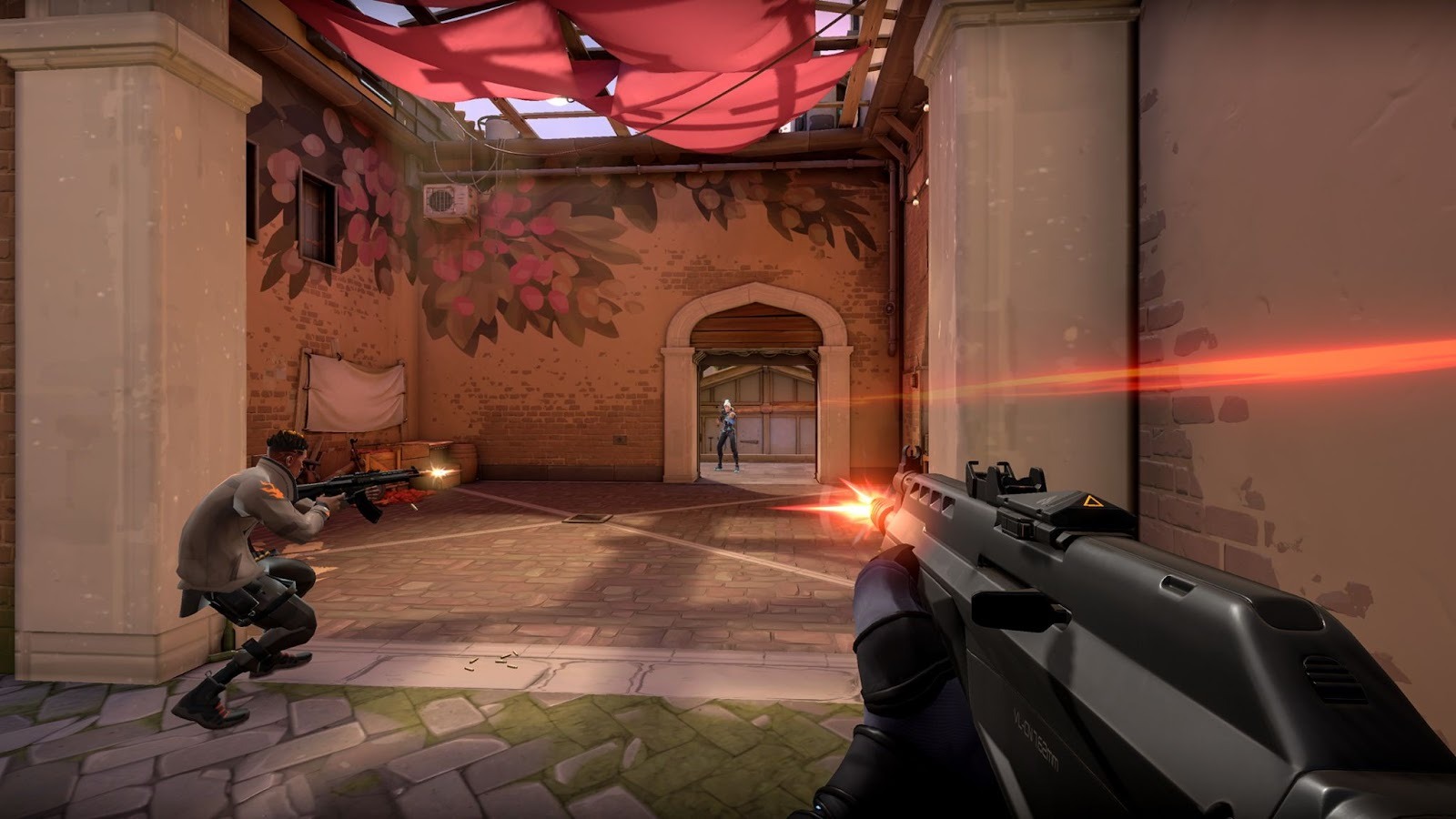
In competitive online games, alternate accounts—commonly known as “smurf accounts”—have become a major force. Valorant, Riot Games’ tactical shooter, is no exception. Smurfing in Valorant isn’t just widespread—it’s embedded in the game’s ecosystem. Whether for warming up, escaping ranked pressure, or simply for fun, players create alternate accounts to operate under the radar. But the rise of these accounts has triggered debates, frustrations, and in some cases, admiration. To understand the phenomenon, we have to break down who’s doing it, why they do it, and how it affects the rest of the Valorant community.
Who Are the Smurfs?
Smurfs aren’t just professional players. They include streamers, high-elo veterans, casual players trying to hide their main rank, and even banned users trying to get back into the game. In theory, a smurf is a skilled player using a lower-ranked account to compete against less experienced opponents. In practice, it’s a much broader category. Anyone playing on an alternate account, especially in lower ranks than their main skill level, qualifies. Some smurf to coach friends. Some want to avoid long queue times at higher ranks. Some just like the thrill of dominating easier lobbies. The motivations vary, but the effect is consistent: an unbalanced match.
Why Players Smurf
The reasons players create alternate Valorant Accounts are both personal and practical. High-elo games often involve high pressure. Expectations from teammates and the constant battle to maintain or climb rank can be mentally draining. Smurfing offers a reset—a place where the stakes feel lower and the fun feels higher. Other players use smurfs to warm up mechanically without risking rank. Some are banned from their main and return through new accounts. Still others just enjoy playing casually with lower-ranked friends, and matchmaking doesn’t always accommodate large rank gaps. For some, smurfing is an escape. For others, it’s strategy.
How Smurfing Affects the Game
While smurfing might benefit the individual player, it skews the balance of the game. Valorant’s matchmaking system is designed to pit similarly skilled players against one another. A Diamond or Immortal-level player stomping Bronze lobbies ruins the intended competitive experience. Lower-ranked players can feel helpless, frustrated, and demoralized. Even other smurfs might feel cheated if their goal was to practice against fair opponents. The result is a distortion of match quality and a blow to the game’s integrity. When smurfs become too common, trust in the ranked system erodes.
The Psychology Behind Smurfing
Smurfing taps into something deeper than just competitive advantage. For some, it’s about control. In higher ranks, performance is scrutinized; one bad game can mean a loss of rank and respect. On a smurf, a player can play freely, aggressively, even recklessly—without consequence. It’s also a way to feel powerful. Dropping 30 kills in a Bronze lobby delivers instant gratification. For others, it’s about ego. Proving dominance in lower ranks is a psychological boost, even if it’s artificial. Smurfing often offers an emotional reward system missing in the pressure cooker of high-level ranked.
Ranked Anxiety and the Smurf Escape
Ranked anxiety is real. The fear of losing rank or playing badly in front of others can lead to avoidance. Many players genuinely enjoy Valorant but feel overwhelmed by the high-stakes environment of their main account. An alternate account offers a safe space—less stress, fewer expectations, and often, more fun. The irony is that many players on smurf accounts are simply trying to enjoy the game the way they once did. It’s not always about stomping others; it’s about escaping the grind. Smurfing becomes a pressure valve for an overly serious ranked environment.
Smurfs vs. New Players
One of the biggest problems with smurfing is the effect on new players. Valorant’s new player experience is already challenging due to the steep learning curve, complex mechanics, and team-based strategy. When newcomers are matched against smurfs, their introduction to the game can be brutal. Instead of learning in a fair environment, they get steamrolled. This can lead to early burnout or quitting altogether. A single smurf can distort the pace and feel of an entire match, and for a new player, that’s all it takes to turn a game from thrilling to unbearable.
When Smurfing Becomes Smurf Stacking
A recent trend in the Valorant scene is “smurf stacking”—where multiple high-elo players queue together on low-ranked accounts. It’s a guaranteed stomp. These coordinated groups often enter casual or unrated matches to dominate with flashy plays and highlight reels. For the players involved, it’s entertainment. For their opponents, it’s a lopsided massacre. Smurf stacking takes the damage of solo smurfing and multiplies it. The worst part? There’s often no real recourse for the losing team. The system struggles to detect coordinated smurfs, and reporting rarely changes outcomes. This trend has only deepened resentment among average players.
Riot’s Response and Limitations
Riot Games has acknowledged the issue of smurfing in Valorant. Systems are in place to detect skill levels quickly and adjust MMR accordingly, but they’re far from perfect. While a smurf might rise in rank faster due to good performance, the early games still suffer. By the time the system adjusts, the damage is done. Penalties for smurfing are hard to enforce without mistakenly banning players who are simply improving rapidly. The gray area between legit alternate accounts and disruptive smurfing makes it difficult to draw hard lines. Riot walks a tightrope between fairness and freedom.
Streamers, Content, and the Smurf Dilemma
Smurfing is popular among streamers and content creators. Many create smurf accounts to entertain their audiences with high-kill games or unique challenges. “Iron to Radiant” series are a staple on streaming platforms. These videos draw massive views but walk a fine ethical line. While entertaining, they often come at the cost of ruining games for lower-ranked players. This creates a weird paradox: the very behavior that annoys many players is also some of the most consumed content. Content-driven smurfing isn’t going anywhere, but it raises valid concerns about the impact of performance over fair play.
Coaching, Teaching, and “Good” Smurfing
Not all smurfing is malicious. Some high-rank players use alternate accounts to coach lower-ranked friends or teach newer players in a live setting. This kind of smurfing is often welcomed, as long as the coaching is constructive and not just domination. A skilled player guiding a new team with communication and strategy can uplift the entire match experience. The key difference here is intent. When the purpose of the smurf is to help others and match the lobby’s pace, the impact is positive. Unfortunately, this kind of smurf is the minority.
The Community’s Mixed Feelings
The Valorant community is split on smurfing. Some see it as harmless, even necessary, given the issues with ranked matchmaking. Others see it as a toxic practice that degrades the integrity of the game. The context matters. A high-elo player coaching a friend feels different from a five-stack of Immortals bulldozing Silvers for laughs. But since the matchmaking system can’t always differentiate intent, players are left with a mixed bag. Some games feel fair; others feel impossible. As long as the line between smurfing and fair play remains blurry, so will community opinion.
Should Smurfing Be Banned?
This question sparks debate across all levels of Valorant Accounts. On paper, banning smurfing sounds like a clear solution. But in practice, it’s incredibly difficult to enforce. A player might be using an alternate account for innocent reasons—like playing with a sibling. Others might genuinely be improving fast and appear suspicious. There’s no easy metric to distinguish between intentional smurfing and natural skill progression. A strict ban might punish the wrong people and hurt player freedom. Ultimately, the solution needs to be smarter matchmaking, not blanket punishment.
The Future of Smurfing in Valorant
Smurfing isn’t going away anytime soon. As long as ranked pressure exists and alternate accounts are easy to create, players will find reasons to use them. What will shape the future is how Riot evolves its matchmaking and detection systems. Smarter algorithms, tighter rank restrictions for queueing with friends, and better penalties for repeat offenders could help. At the same time, fostering a less stressful ranked environment might remove some of the motivation to smurf in the first place. The problem is layered, and so must be the solution.
Final Thoughts: A Necessary Evil?
In the end, smurfing in Valorant exists in a gray zone. It can be frustrating, exploitative, and unfair—but it can also be fun, strategic, and even helpful. Like many things in gaming, intent matters. But for the average player caught in the crossfire, the effect is mostly negative. Smurfing may never be eliminated, but it can be managed. If the community pushes for better systems and a more balanced experience, smurfing doesn’t have to define Valorant. It’s a byproduct of competition, but it doesn’t have to be the cost of it.